Imagine facing cancer that's shrugged off chemo and immunotherapy like they were nothing. Now imagine a single jab, under the skin, that makes those stubborn tumors simply vanish. Because apparently, that's where we are now.
Doctors are buzzing about a new cancer treatment called amivantamab. In trials, this injection didn't just shrink tumors in over a third of patients; for 15 of them, it completely eradicated the cancer. And these weren't easy cases. These were patients whose cancer had spread, returned, and basically told every other treatment to take a hike.
Professor Kevin Harrington at the Institute of Cancer Research called these results "unprecedented." He’s not wrong. We're talking about head and neck cancers, specifically the kind not caused by HPV, which are notoriously difficult to treat. These patients typically have a grim prognosis once standard options fail. So, a median survival of 12.5 months after starting this jab? That's not just good; it's a significant chunk of life back.
We're a new kind of news feed.
Regular news is designed to drain you. We're a non-profit built to restore you. Every story we publish is scored for impact, progress, and hope.
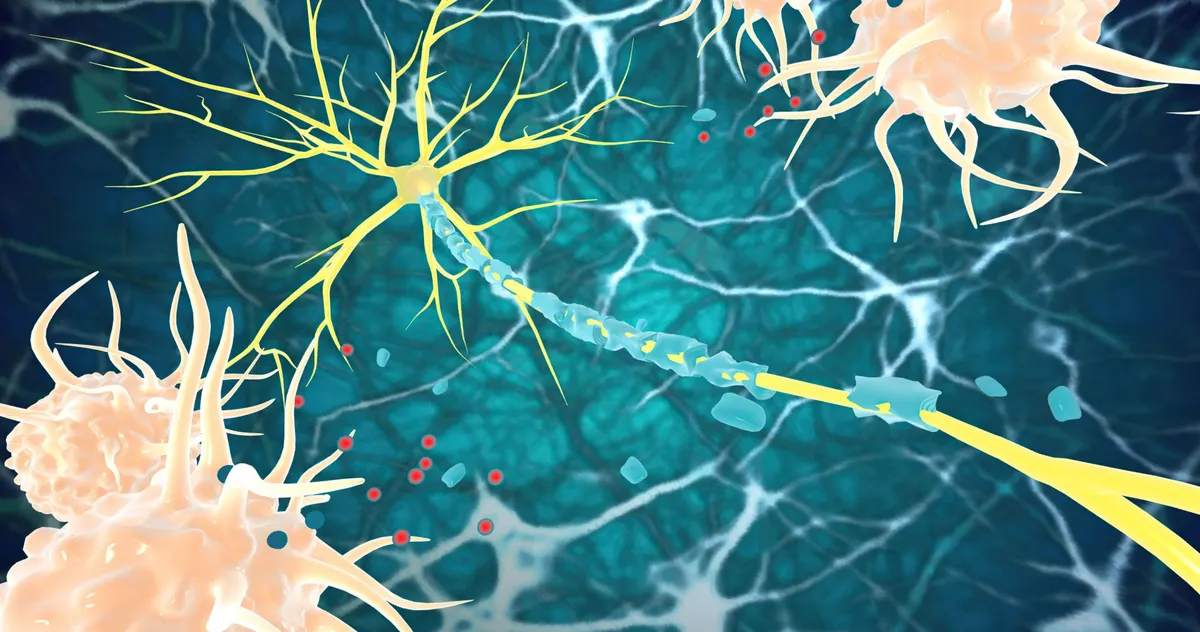
Start Your News DetoxSo, how does this medical magic trick work? Amivantamab is a bit of a triple threat. It blocks two proteins, EGFR and MET, that cancer cells use to grow and evade treatment. Then, for good measure, it gives your immune system a kick in the pants, activating it to join the fight. It's like sending in a highly specialized SWAT team that also rallies the local militia.
The Real-World Impact
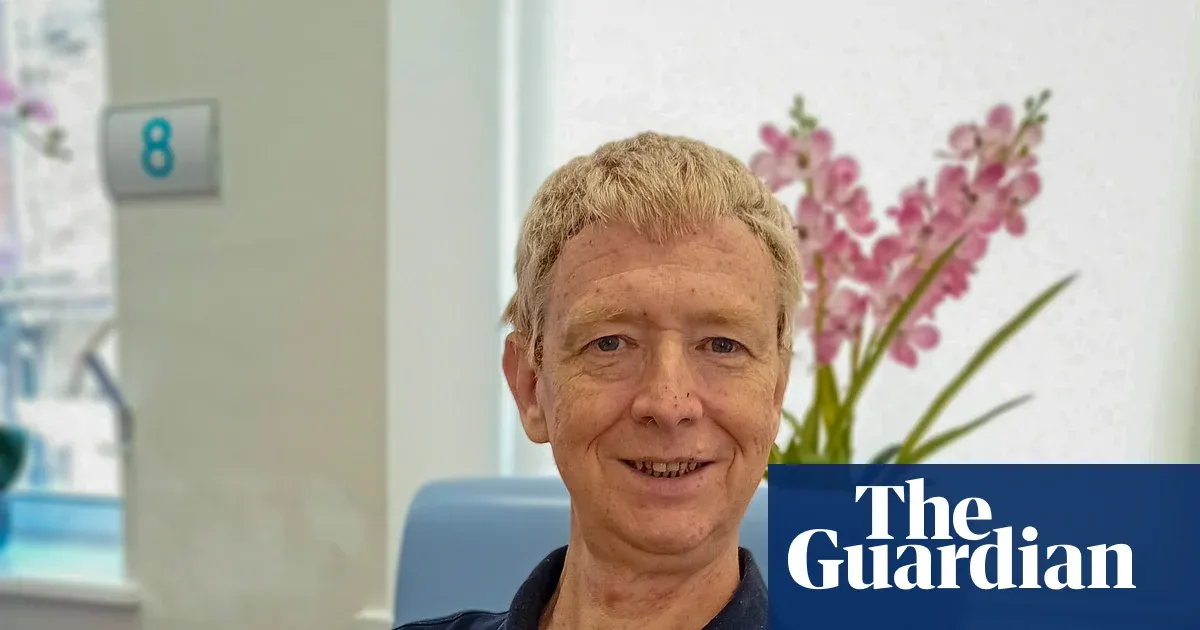
Carl Walsh, 56, knows firsthand what a difference it makes. Diagnosed with tongue cancer, he’d already been through the wringer with failed chemo and immunotherapy. But after starting the amivantamab trial, his life completely turned around. The swelling and pain that made speaking and eating a nightmare? Gone. His diet and speech? Back to normal. All from a quick jab, rather than hours hooked up to an IV drip.
And the side effects were generally mild, which is a major win in the world of cancer treatment. Less than one in ten patients had to stop. Johnson & Johnson, the folks behind amivantamab, are now testing it in some 60 other trials for lung, colorectal, brain, and gastric cancers. Because if it can tackle the toughest head and neck cancers, who knows what else it can do?
This isn't just about a new drug; it's about a new kind of hope for patients who've run out of options. Professor Kristian Helin, chief executive of the ICR, put it best: this study shows how major advances are still possible, even for those with the fewest choices. Which, if you think about it, is a pretty excellent reason to pay attention.