For three million people living with Multiple Sclerosis, current treatments are a bit like putting a band-aid on a leaky pipe: they slow the leak, but they don't actually fix the hole. The holy grail has been finding a way to repair the damage MS causes. And for decades, every attempt has, well, failed.
Until now. A new doctoral thesis out of the University of Helsinki just reported two drug molecules that successfully triggered myelin regrowth in lab models of MS. Yes, you read that right: regrowth.
Tapani Koppinen, working with Associate Professor Merja Voutilainen, identified these two chemical heroes. Both managed to reduce brain inflammation and, crucially, cross that notoriously picky bouncer known as the blood-brain barrier in lab animals. They tackle the problem from different angles but delivered similarly impressive results. Let's just say a lot of researchers are currently raising an eyebrow in the best possible way.
We're a new kind of news feed.
Regular news is designed to drain you. We're a non-profit built to restore you. Every story we publish is scored for impact, progress, and hope.
Start Your News DetoxThe Myelin Mystery
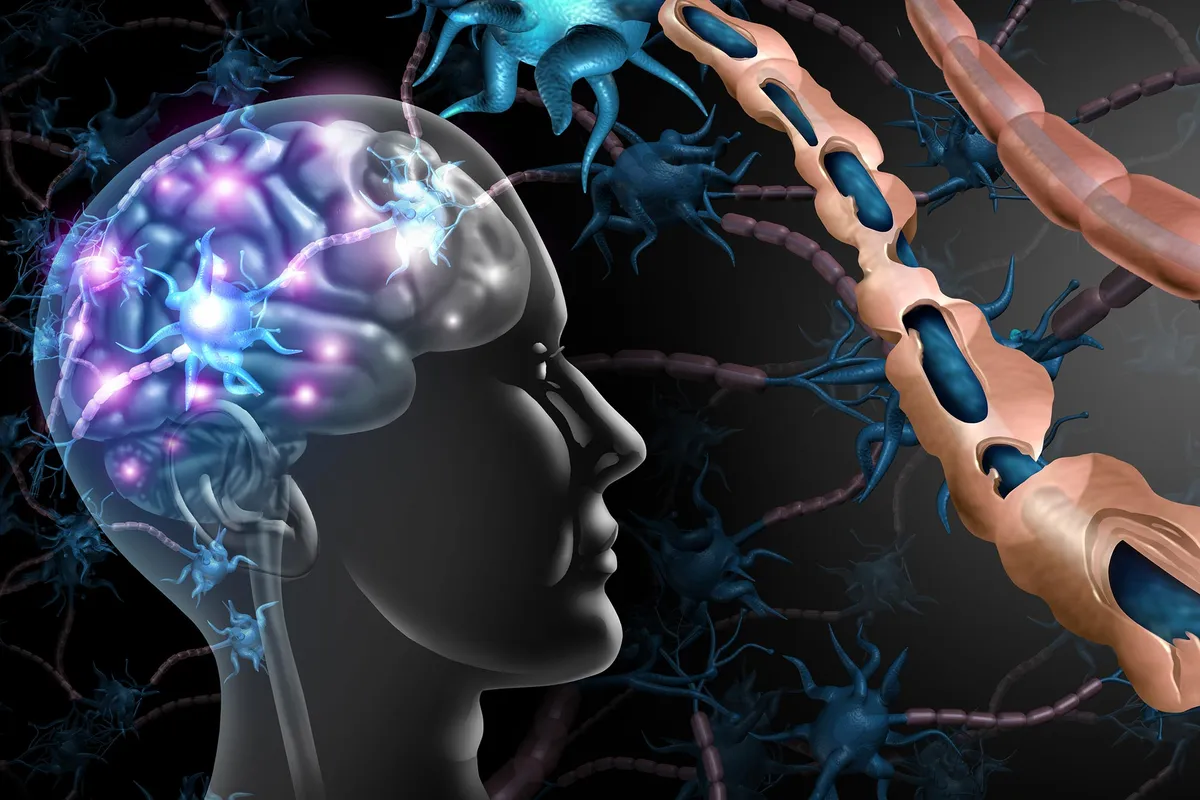
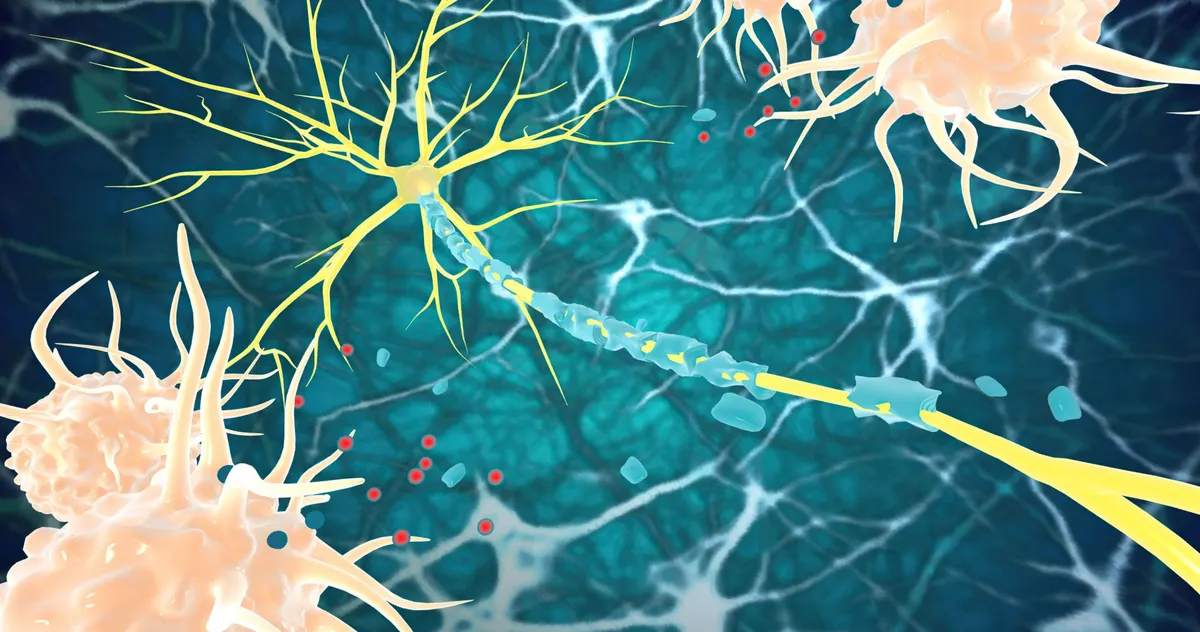
MS is a real piece of work. It affects about three million people globally, with Northern Europe and Canada seeing particularly high rates. The body's own immune system, bless its misguided heart, decides to attack myelin — the protective insulation around nerve fibers. Think of it like stripping the plastic coating off electrical wires. Signals get disrupted, leading to all sorts of havoc in the brain and spinal cord.
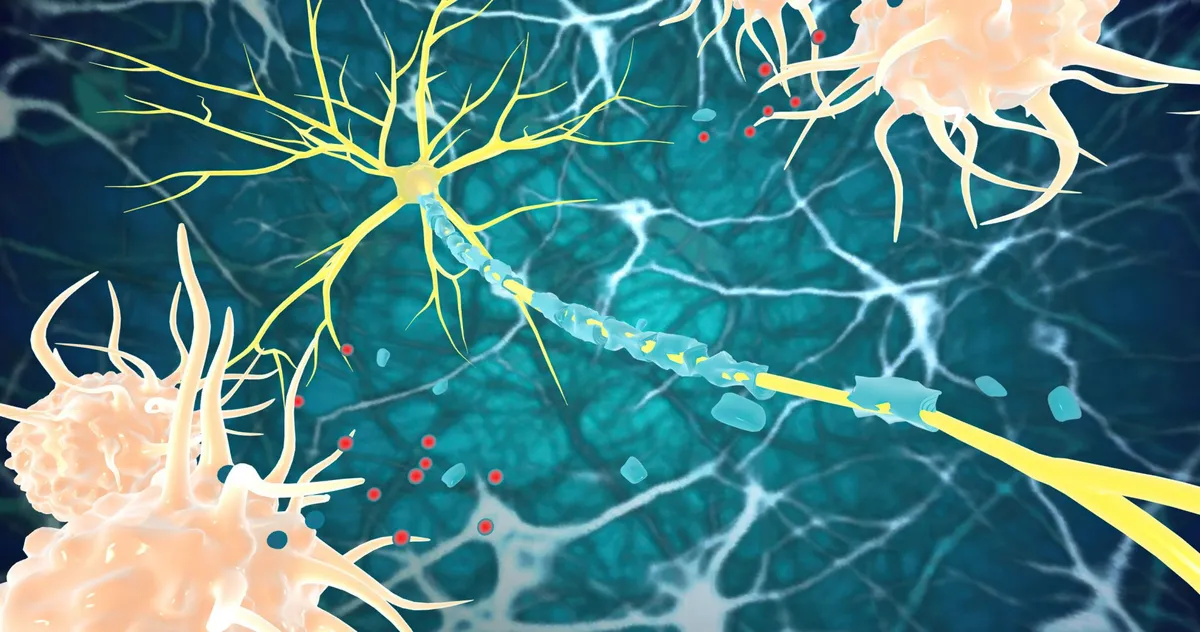
While existing drugs try to calm the immune system's rampage, they do nothing to fix the frayed nerves already exposed. Normally, the brain can repair itself through a process called remyelination, where specialized cells whip up new myelin. But in MS, especially as the disease progresses, this natural repair crew just… stops showing up. Scar tissue forms, cells get stressed, and the brain basically puts up a big, fat "NO ENTRY" sign for repair efforts.

That's where these new molecules step in. One targets an internal cellular stress response, which is often in overdrive in MS-damaged tissue, effectively telling repair cells to take a permanent coffee break. Blocking it with a new molecule kicked remyelination into high gear.
The second molecule goes after the physical scar tissue itself. These scars are like concrete barriers preventing nerve repair. This new compound actually changes the scar's makeup, allowing the repair process to proceed. Which, if you think about it, is both impressive and slightly terrifying in its elegance.
Now, before we all start popping champagne corks, remember this is still early days. These findings are from animal and cell models, and human brains are a tad more complicated. No candidate has yet made it to human clinical trials specifically for remyelination. But Koppinen is hopeful these molecules could be the first. And even if they don't become the next wonder drug, they’re already teaching us invaluable lessons about how to convince the brain to heal itself.

For three million people, that's not just progress; it's a glimmer of something entirely new.