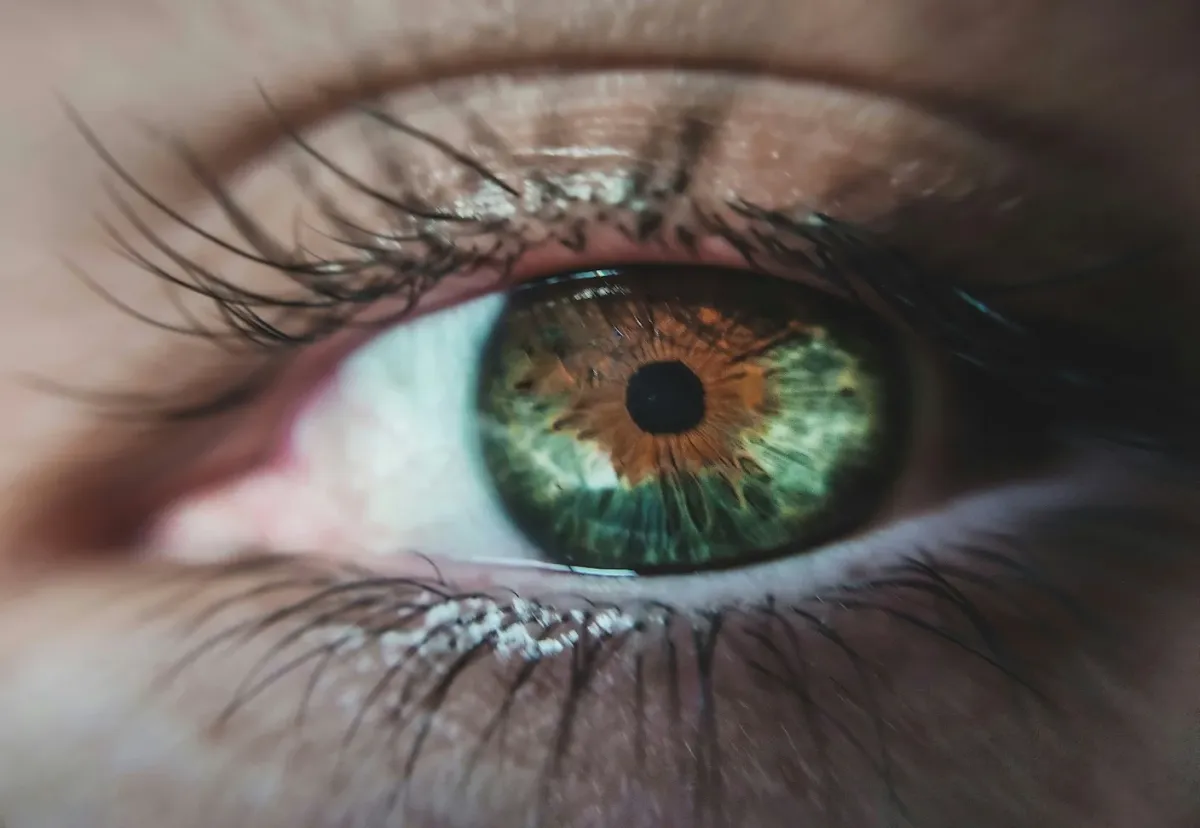
Imagine your eyes, powered by sunlight, just like a houseplant. That's the slightly surreal, genuinely effective reality behind a new set of eye drops made from spinach. They've already healed eye damage in mice, giving a whole new meaning to 'eating your greens.'
Researchers at the National University of Singapore figured out how to extract the light-sensitive parts of spinach — the bits that make photosynthesis happen — and put them into eye drops. They call this tech LEAF, which, honestly, is just delightful.
When these tiny plant particles hit mammalian cells and get a dose of light, they start doing what plants do best: creating powerful antioxidants. And as anyone who's ever had a kale smoothie knows, antioxidants are fantastic at fighting inflammation.
We're a new kind of news feed.
Regular news is designed to drain you. We're a non-profit built to restore you. Every story we publish is scored for impact, progress, and hope.
Start Your News DetoxIn mice with dry eye disease, these LEAF drops continuously released those protective antioxidants. The result? Healed corneal scarring and hydrated eyes for days. The mice, for their part, seemed perfectly fine with a little bit of plant power in their peepers. According to study author Kuoran Xing, it's the first time plant photosynthetic machinery has been successfully integrated into mammal tissue to create useful, light-powered molecules. Which, if you think about it, is both impressive and slightly terrifying.
The Green Solution for Gritty Eyes
Dry eye disease is no joke, affecting a staggering 1.5 billion people globally. It’s a relentless cycle of irritation, pain, blurred vision, and light sensitivity. Current treatments are often pricey and come with a side of unwanted effects. The problem? Our cells get overwhelmed by 'reactive oxygen species' — essentially tiny bullets that damage cells and DNA — and our natural defenses can't keep up.
Plants, however, are masters of defense. During photosynthesis, they produce a molecule called NADPH, which is excellent at cleaning up those damaging reactive oxygen species. The researchers had a brilliant thought: what if we just borrowed the plant's machinery to give our eyes a new, sun-powered source of NADPH?
This isn't entirely unprecedented. The sacoglossan sea slug, for instance, literally eats microalgae and then uses their photosynthetic parts to survive when food is scarce. Talk about efficient.
The challenge for humans has always been keeping those delicate photosynthetic parts, called thylakoids, intact and functional in animal cells. And, crucially, making sure they work with normal, everyday light exposure. Eyes, naturally exposed to visible light, turned out to be the perfect target.
A Spinach-Powered Comeback
The team's breakthrough involved a meticulous process of extracting thylakoid particles from spinach, optimizing them to produce maximum NADPH, and ensuring no other plant bits got in the way. These tiny particles, about 400 nanometers wide, are basically miniature green powerhouses.
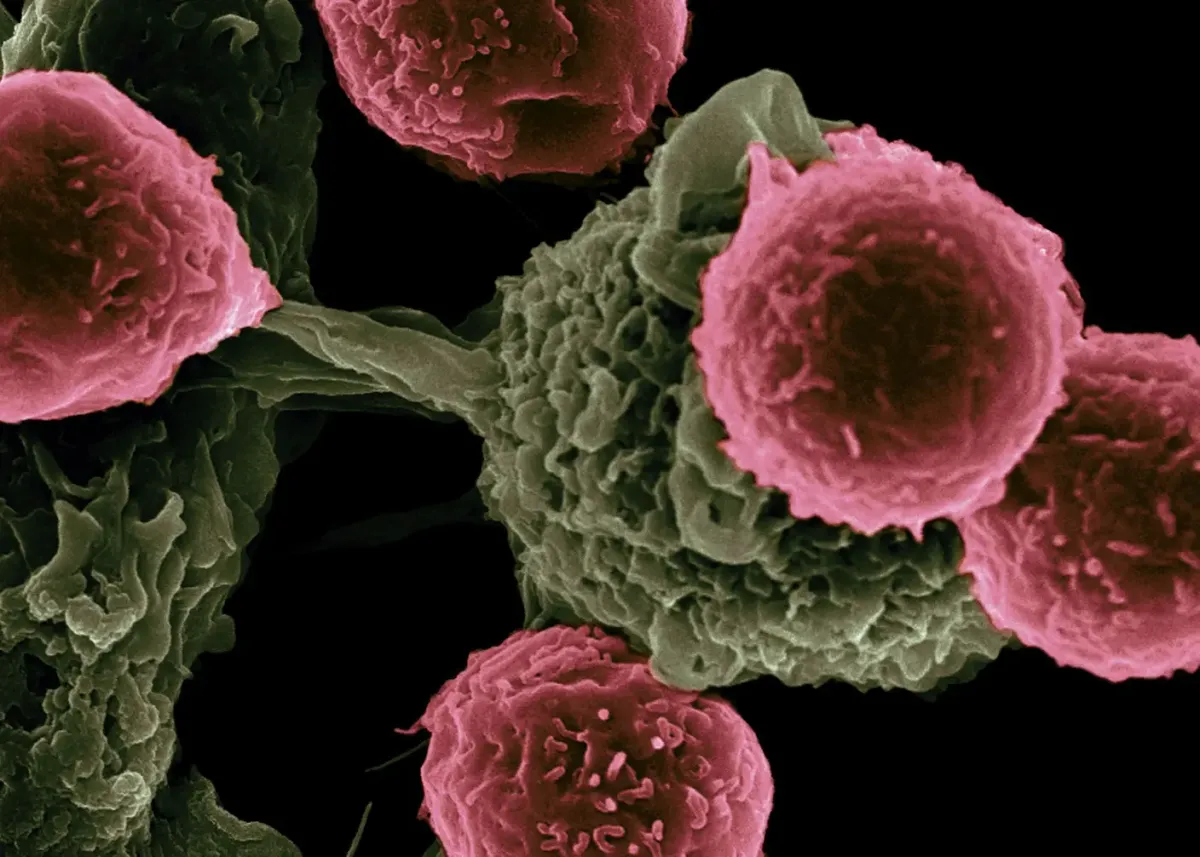
They tested LEAF on immune cells and corneal cells, both key players in dry eye disease. In lab dishes, the cells happily absorbed LEAF, and within 30 minutes of light exposure, the harmful reactive oxygen species plummeted. Immune cells calmed down, and in tears from actual dry eye patients, LEAF boosted NADPH levels by 20 times while slashing a damaging chemical by over 95 percent. Cells, quite literally, returned to a healthier state.
In the final test, mice with dry eye disease received LEAF drops twice daily for five days. Under ambient light, the drops doubled NADPH and completely reversed corneal damage. It even outperformed an approved drug. And because it's spinach, there were no immune reactions. The best part? LEAF is easy to make, stable for weeks at room temp, and up to a year frozen. So, your next eye drop could be as fresh as your salad.
Study author David Tai Leong thinks LEAF has massive clinical potential. It's from spinach, it’s a simple eye drop, and it needs no external device or power. He even muses about a future where human cells could have some photosynthetic ability beyond just the eyes. Because apparently, we're all just a few spinach cells away from being solar-powered. Who knew?