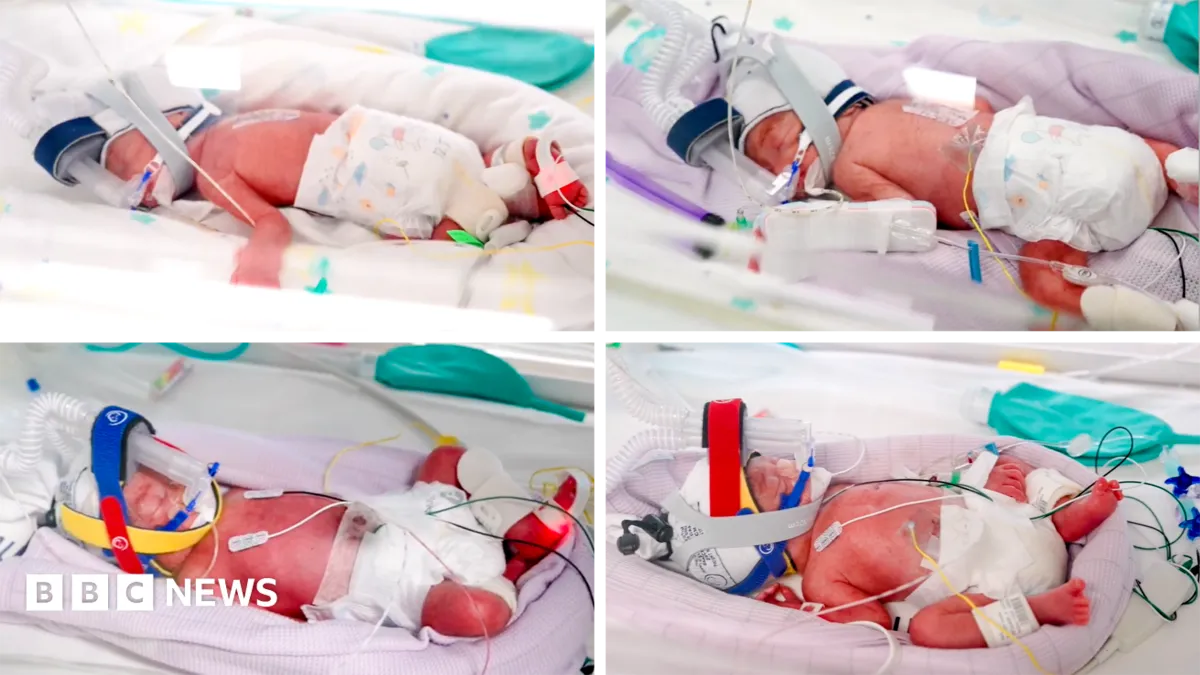
An Australian woman recently gave birth to naturally conceived identical quadruplets. This event is extremely rare. The Royal Brisbane and Women's Hospital called the pregnancy "extremely high risk."
The four girls were born by C-section at 28 weeks and four days on July 14. They are monozygotic quadruplets, meaning one fertilized egg split into four embryos.
An Unheard-Of Pregnancy
Jenitar Na'amoana, 34, and her husband Jortham already had four children. They were "immensely surprised" to learn they were expecting quadruplets.
We're a new kind of news feed.
Regular news is designed to drain you. We're a non-profit built to restore you. Every story we publish is scored for impact, progress, and hope.
Start Your News DetoxDr. Alexa Bendall, a maternal fetal medicine specialist, cared for Na'amoana. She estimates identical quadruplets happen in about one in 15 million pregnancies. Dr. Bendall noted that these quadruplets also shared the same placenta, which she called "unheard of."
This type of pregnancy is very high-risk. The hospital admitted Na'amoana at 25 weeks for close monitoring. Dr. Bendall said reaching 28 weeks was a major goal. She was thrilled to have "four beautiful, healthy babies" born at 28 weeks and four days.
Dr. Bendall praised Na'amoana, saying she "dodged every complication and risk."
The new babies are named Emily, Harriet, Catherine, and Alexa. One girl was named after Dr. Alexa Bendall, who called it "a beautiful tribute."
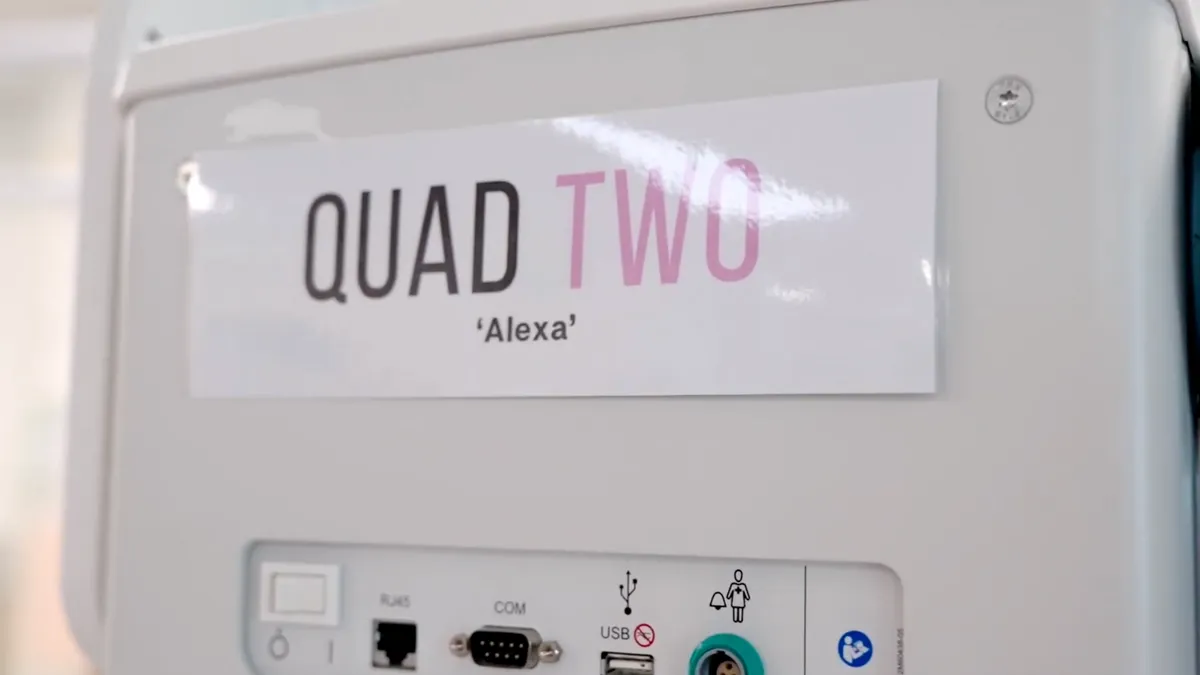
The babies are currently doing well. They will stay in the neonatal intensive care unit until they reach full term.
Support for the Growing Family
The Na'amoanas' other children are between one and ten years old. Jenitar has started an online fundraiser to buy a van with at least 10 seats.
The fundraiser has already received over A$37,000 (£19,261). Na'amoana wrote that their "four precious miracles have arrived safely." She added that while their hearts are full of gratitude, caring for four newborns brings unexpected challenges.
Naturally conceived quadruplets are extremely rare, with odds estimated at about one in 700,000 births.