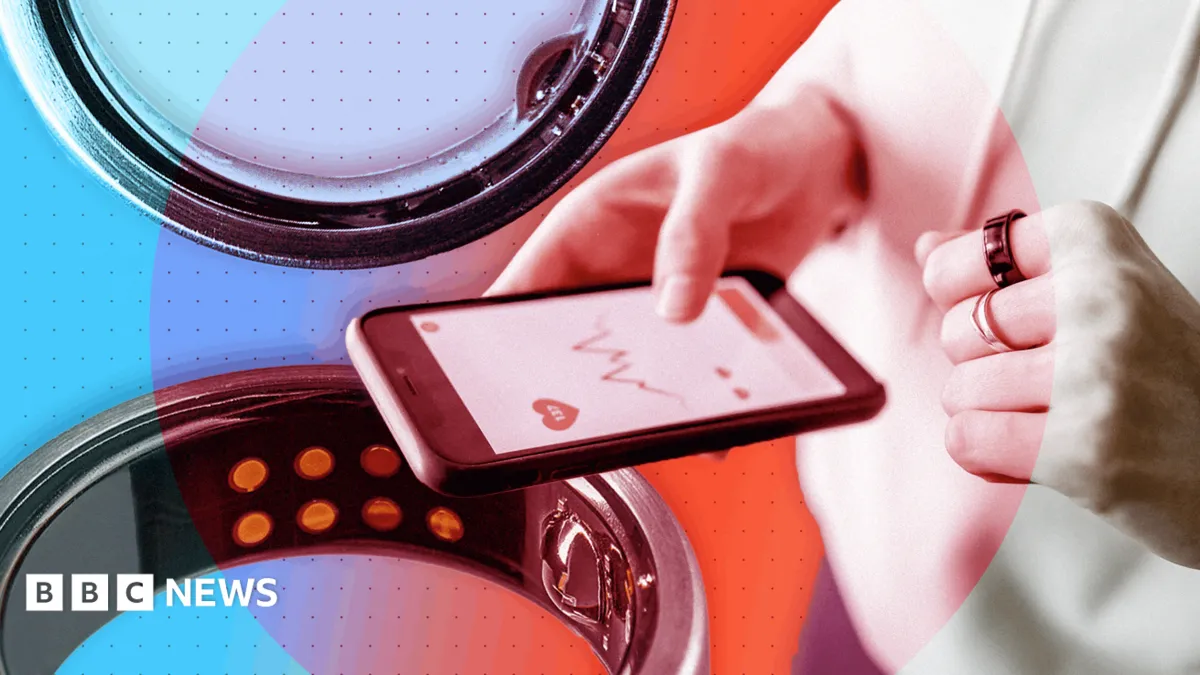
Ravika was on holiday celebrating her birthday when her fitness tracker, an Oura ring, sent an unusual alert. It flagged her health score as poor. Her heart rate was up, body temperature was elevated, and heart rate variability (HRV) had dropped. Yet, Ravika felt fine.
A week later, the 34-year-old solicitor noticed her stats hadn't improved. She researched online and found many women whose fitness trackers had shown signs of pregnancy based on similar data. Another week passed before Ravika took a positive pregnancy test.
Later, after some cramping and a notification that her body was under significant strain, Ravika saw a doctor. She was told to return in 10 days for more tests to check the pregnancy's health. The wait was difficult. She anxiously checked her tracker stats, waking at 4 AM to refresh the app. She hoped her low stats and elevated temperature meant a viable pregnancy.
We're a new kind of news feed.
Regular news is designed to drain you. We're a non-profit built to restore you. Every story we publish is scored for impact, progress, and hope.
Start Your News DetoxChecking the stats became an "obsession" for her. She felt it was "a life or death situation."
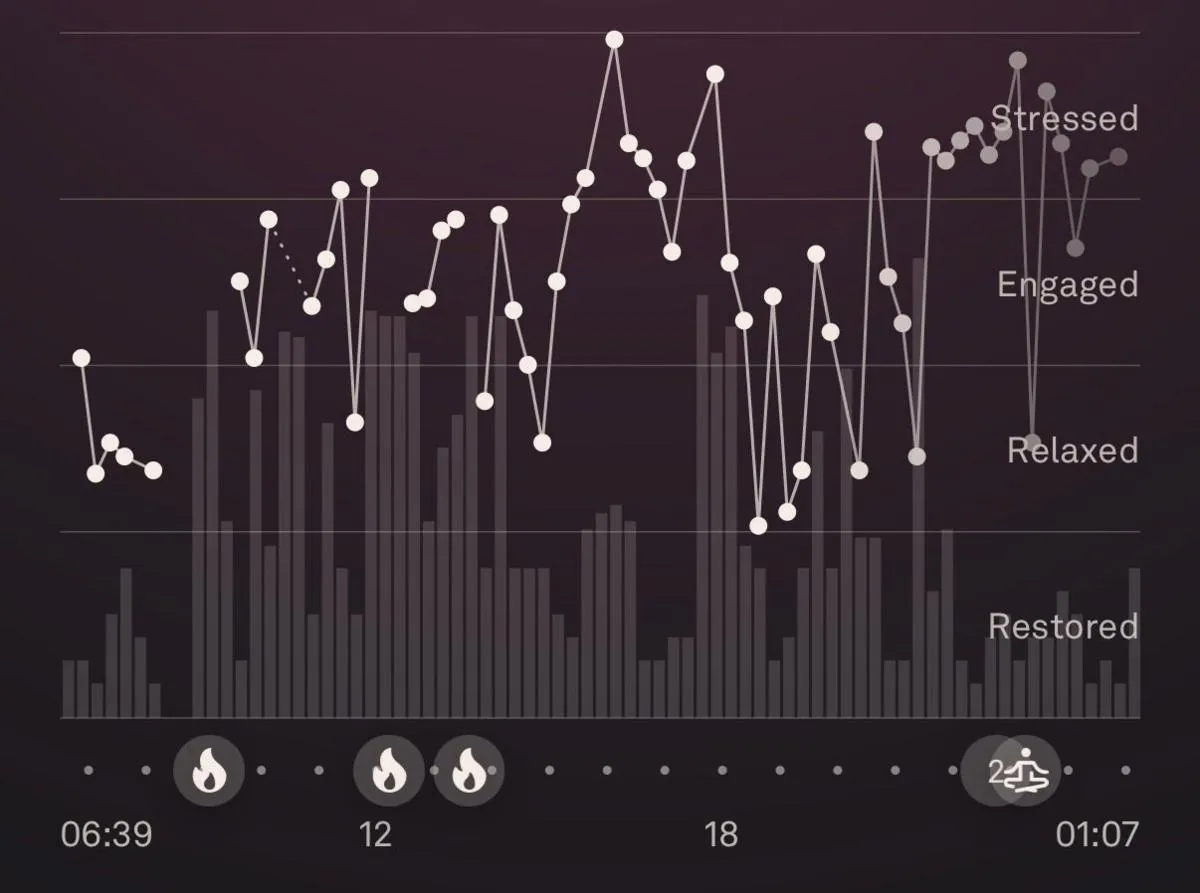
Most women first realize they might be pregnant when their period is late. This is also when most pregnancy tests can detect hormone changes. However, Ravika is among many women reporting online that their fitness trackers show signs of pregnancy even earlier.
Fitness trackers, like smart rings and watches, are increasingly popular in the UK. YouGov research shows 36% of British adults owned and used a tracker in January 2026, nearly double the number from July 2019. Oura, a Finnish-US company, leads the smart ring market.
Trackers and Pregnancy
A key sign of pregnancy is a change in body temperature. Trackers that monitor temperature can pick up on this early symptom. Typically, a woman's body temperature stays high until just before her period, then drops. In early pregnancy, it usually remains elevated.
Ravika also read Reddit posts from women who said their Oura ring predicted not only their pregnancy but also miscarriages through "major signs" notifications.
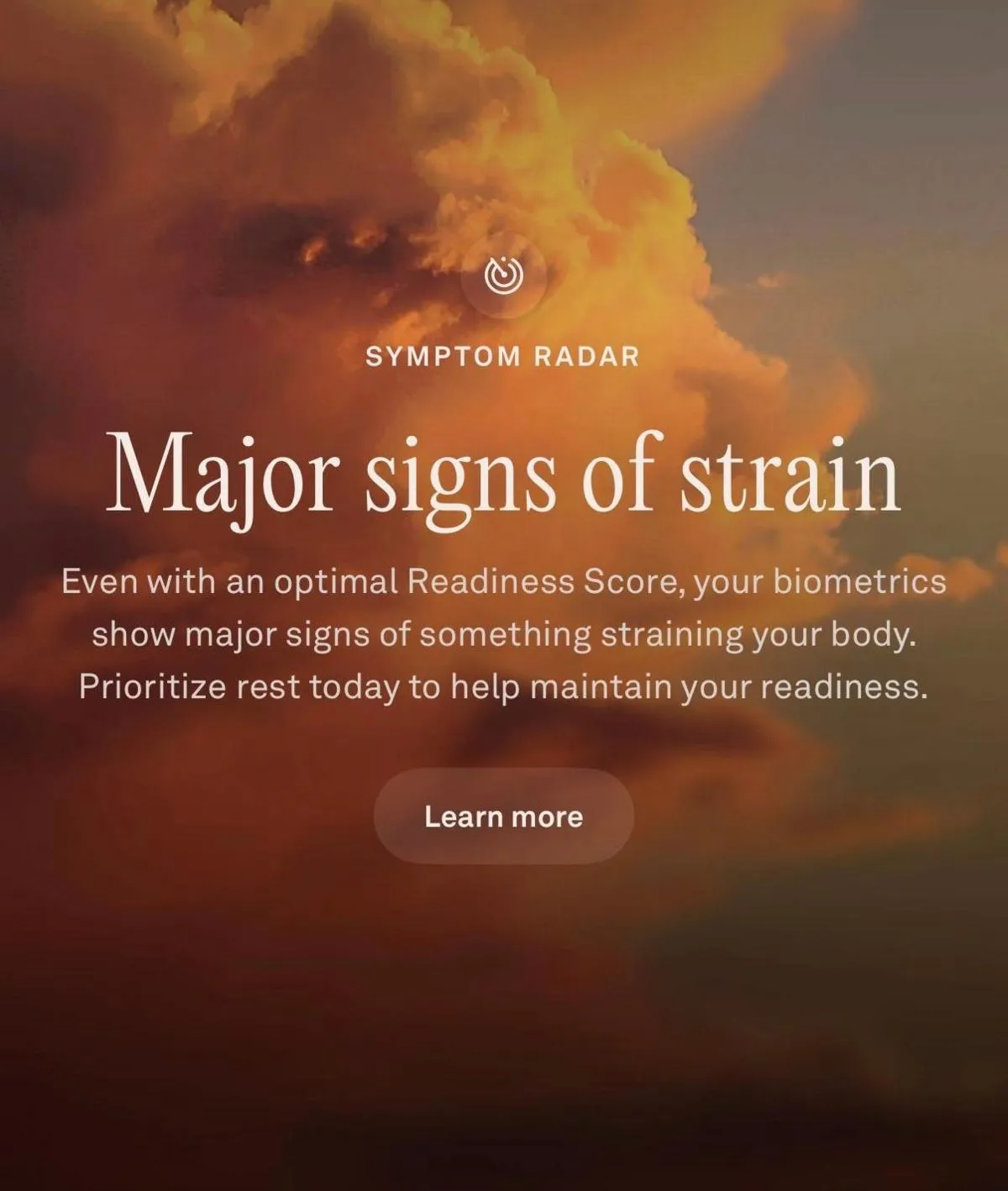
Sofia, 32, experienced this. She lost two pregnancies, both indicated by her Oura ring data, before her third, healthy pregnancy. For her first pregnancy, she checked her app daily. One morning, her temperature line dropped, and she knew "something's weird." The data helped her mentally prepare for the miscarriage.
The same pattern happened three months later. Sofia and her husband decided to pause trying to conceive. However, during this break, her ring showed "minor signs of strain" and elevated temperature. She took a test, and it was positive.
Even though this pregnancy was healthy, Sofia felt anxious in the early weeks. She constantly checked her data. She would wake up at 4 or 5 AM to see if her temperature had dipped. By seven or eight weeks pregnant, the anxiety was too much, and she took her ring off for the entire first trimester.
Balancing Insight and Anxiety
Dr. Stuart Lavery, a reproductive medicine consultant, noted that people use this technology to understand their bodies better and detect changes early. However, he cautioned that "we might be running before we can walk." He believes more data and research are needed on the reliability of these trackers. Otherwise, anxiety levels could "skyrocket."
Dr. Lavery expects more people to use app-based or wearable technology for early detection. But he advises a "big health warning" about how much to rely on them for accuracy.
Dr. Chris Curry, Oura's clinical director of women's health, addressed the anxiety women reported. She said pregnancy can be an uncertain time, with or without biometric tracking. She added that if women feel overwhelmed, Oura "encourages members to take a break from the app experience." The ring is a "support tool, not a replacement for your care team."
Ravika sadly miscarried. She plans to try conceiving again soon. Her experience has made her rethink wearing her tracker. She realized she wasn't an anxious person before. But if she suspects she's pregnant again and her stats are low, she believes taking the ring off after a positive test would be best for her.