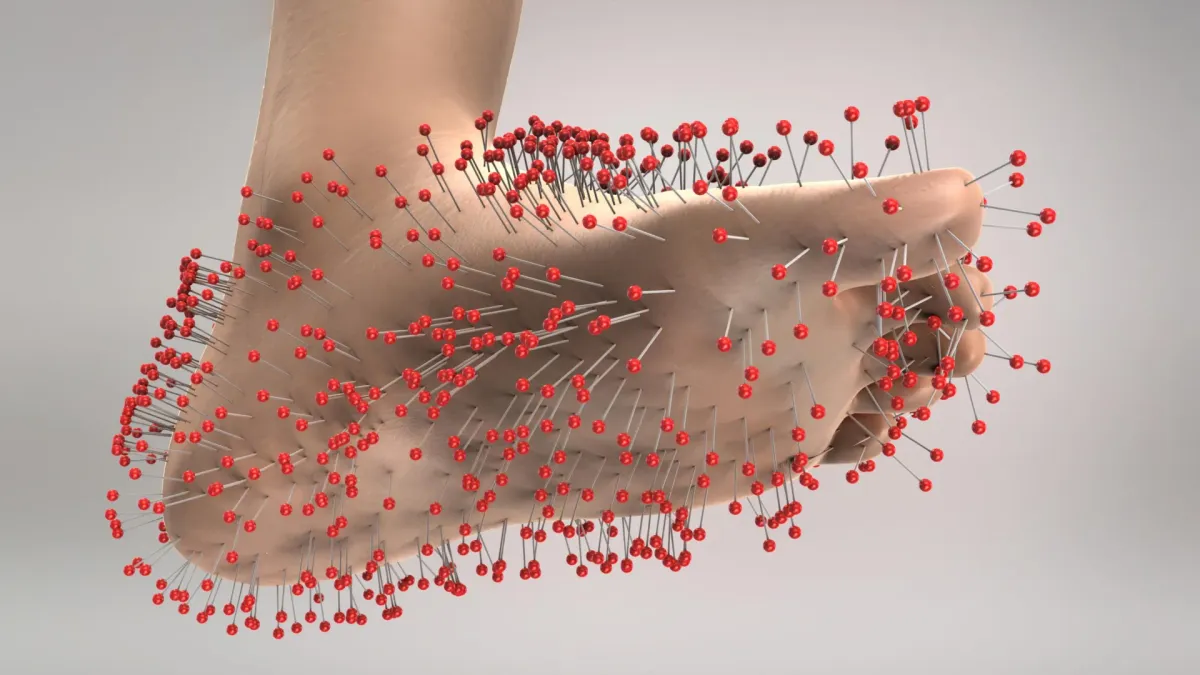
More than one million people in the United States live with multiple sclerosis (MS). This disease harms the brain, spinal cord, and optic nerves. Symptoms like severe fatigue, muscle spasms, and vision problems can appear and disappear unpredictably. Researchers believe understanding how MS damages the nervous system is key to better treatments.
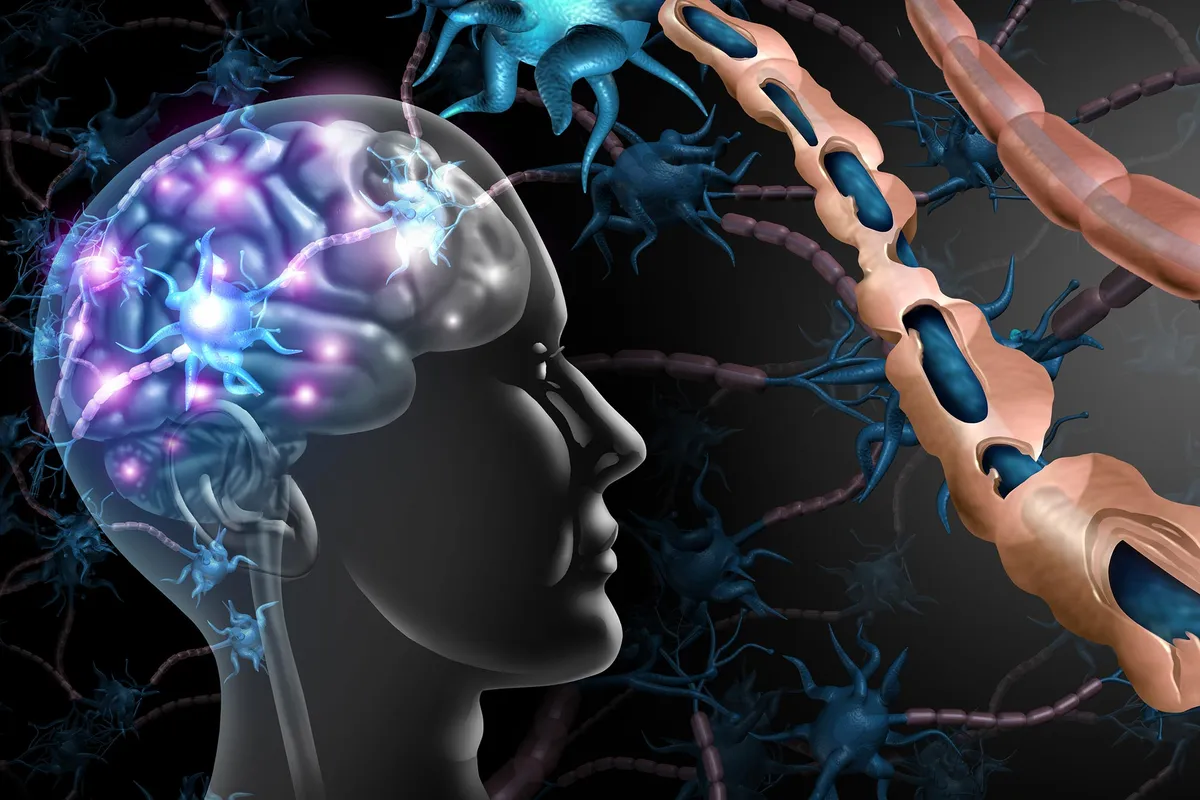
Katrina Adams, a neurobiologist at the University of Notre Dame, studies how myelin loss and repair affect MS. Myelin is a fatty layer that protects nerve fibers. It helps electrical signals move efficiently, much like insulation on wires. In MS, myelin damage causes inflammation and lesions that vary in size, number, and location.
Because getting tissue samples from MS patients is hard, scientists use preclinical models. Adams and her team compared two common models: cuprizone (CPZ) and lysophosphatidylcholine (LPC). Their findings were published in Nature Communications.
We're a new kind of news feed.
Regular news is designed to drain you. We're a non-profit built to restore you. Every story we publish is scored for impact, progress, and hope.
Start Your News Detox"Our analysis of these two models gives a clear guide based on strong scientific proof," Adams said. "We hope this will help advance MS research."
Comparing MS Models
CPZ and LPC models create different types of myelin damage. CPZ causes widespread myelin loss over several weeks. LPC creates a small, localized lesion in just a few days. The study, funded by the National Multiple Sclerosis Society, showed which model is better for studying different aspects of MS.
"If you're studying myelin-producing cells and how they are affected in MS, CPZ is better," Adams explained. "This is because myelin loss is more gradual." She added that LPC might be better for studying immune cells because it causes a more aggressive immune response.
The researchers also compared lesions from these models to actual human MS tissue. They used single-cell RNA sequencing to create genetic maps. These maps showed how cells changed when myelin was lost.
Adams noted that matching models to real patient tissue ensures they are targeting actual disease causes. "There are many paths to follow, so we want to make sure the chosen path directly helps MS patients," she said.
New Genetic Discoveries
The study also found important genetic differences between the two models. Adams' team plans to explore these further.
"We were surprised by genetic changes in some cell types," Adams said. "We don't yet know if these changes help or hurt myelin regeneration." Learning more about these gene shifts could reveal how MS affects the nervous system and how the body responds. This is crucial for developing new therapies.
Current MS treatments mostly focus on stopping the immune system from attacking lesions. However, restoring damaged myelin is a major goal that researchers have not yet achieved.
"Using these two preclinical models strategically is vital for turning discoveries into therapies that can restore lost myelin," Adams said. "We need to better understand demyelination to treat a root cause of this disabling disorder."
Deep Dive & References
A comparative transcriptomic analysis of mouse demyelination models and multiple sclerosis lesions - Nature Communications, 2026