Imagine being told you have breast cancer, then hearing you might not need the grueling chemotherapy everyone dreads. For millions of patients, that's no longer a pipe dream, thanks to a new DNA test that acts like a highly accurate crystal ball for treatment. It’s suggesting that over two-thirds of breast cancer patients could safely skip the brutal side effects of chemo and opt for hormone therapy alone.
Because let's be honest, chemotherapy isn't a spa day. We're talking fatigue, nausea, hair loss, a compromised immune system, and even fertility issues. For those who don't truly need it, avoiding that particular gauntlet is, shall we say, a massive upgrade.
The Test That Changes Everything
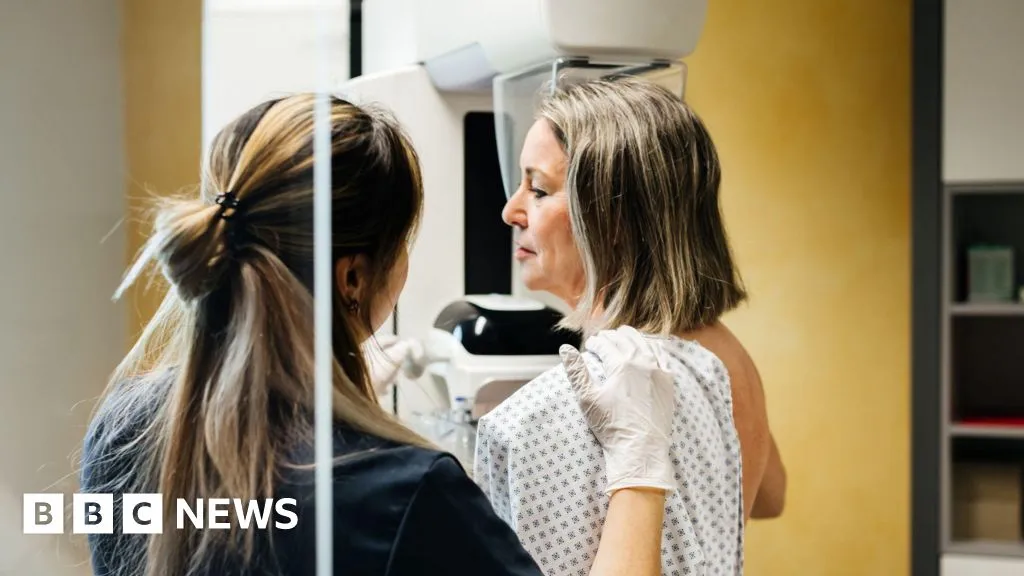
The international study, spearheaded by University College London (UCL), involved over 4,000 newly diagnosed patients over 40 from across the UK, Scandinavia, Australia, New Zealand, and Thailand. They used a gene test called Prosigna, which basically sniffs out the activity of 50 genes linked to breast cancer growth and then calculates the patient's risk of recurrence. It's like a highly sophisticated risk assessment, but for your cells.
We're a new kind of news feed.
Regular news is designed to drain you. We're a non-profit built to restore you. Every story we publish is scored for impact, progress, and hope.
Start Your News DetoxHere's where it gets really interesting: Two-thirds of the participants scored low on the test and, crucially, did not receive chemotherapy. Their five-year survival rate? A very respectable 93.7%. Compare that to the 94.9% survival rate for those who did get chemo, and you start to see why this is a big deal. That tiny difference suggests a whole lot of people endured chemo for very little additional benefit.
Typically, after a tumor is surgically removed, chemo is often thrown into the mix to reduce the risk of the cancer returning, especially if it's spread to nearby lymph nodes. But Professor Rob Stein, the trial's chief investigator, calls these new findings a "significant step" toward truly personalized treatment. They're using the tumor's actual biology to guide decisions, rather than just relying on standard clinical features. Which, if you think about it, makes perfect sense.
Karen Bonham, a 64-year-old from Cardiff, was one of the lucky ones. Thanks to Prosigna, she avoided chemo and instead went through eight years of radiotherapy and hormone therapy. Her reaction? "Immense relief." We can only imagine.
These findings are set to be the talk of the town at the American Society of Clinical Oncology's annual meeting in Chicago, the world's largest cancer conference. For health systems, it means more efficient resource allocation. For patients, it means potentially dodging a profoundly unpleasant experience without compromising their health. What's not to love? (Though, if you're under 40, you'll have to wait a few more years for specific data — those results are still cooking.)