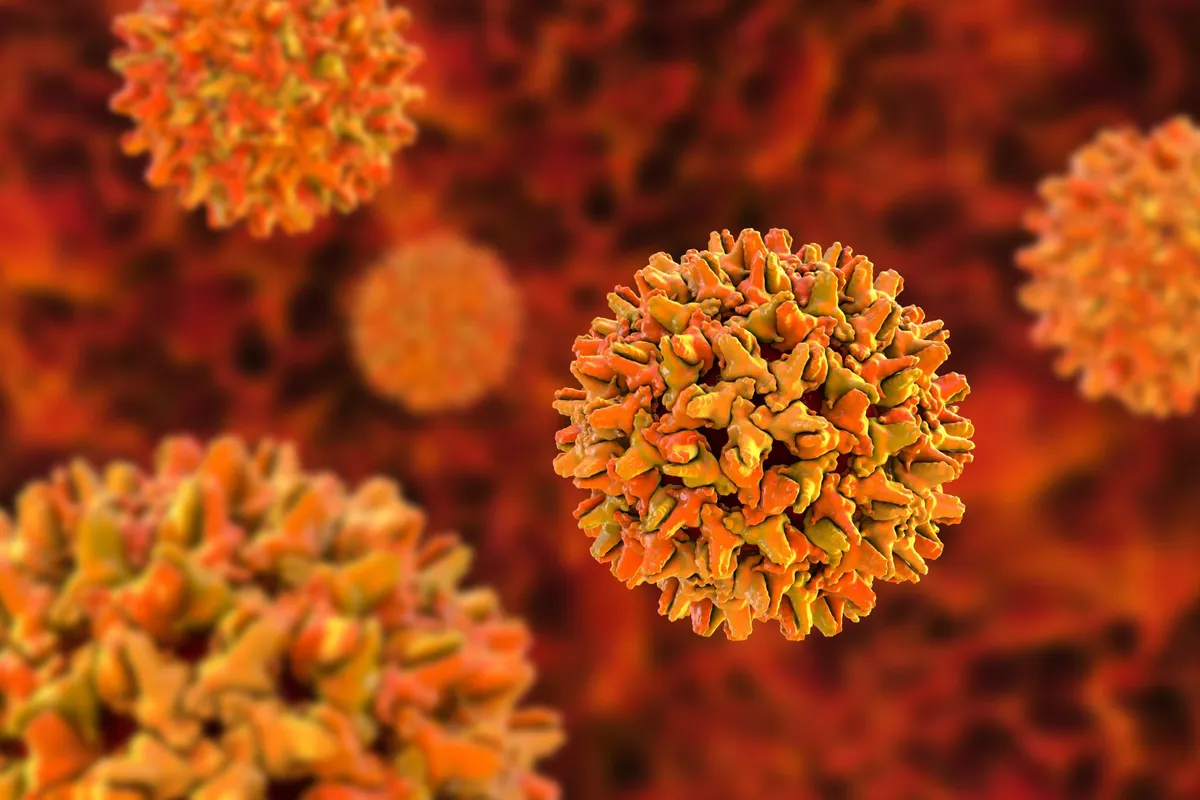
Imagine going from a lifelong medication sentence to being virus-free in six months. For roughly one in five people with chronic hepatitis B, that's now a very real possibility, thanks to a new drug called bepirovirsen.
This isn't just a small step; it's more like a giant leap for livers everywhere. Current treatments manage to achieve this kind of "functional cure" (where your immune system takes back control without meds) in a paltry 3% of patients, and that takes a decade of daily pills. Bepirovirsen hit 19% in just half a year. For a subset of patients who started with lower virus levels, that number jumped to 26%. Let that satisfying number sink in.
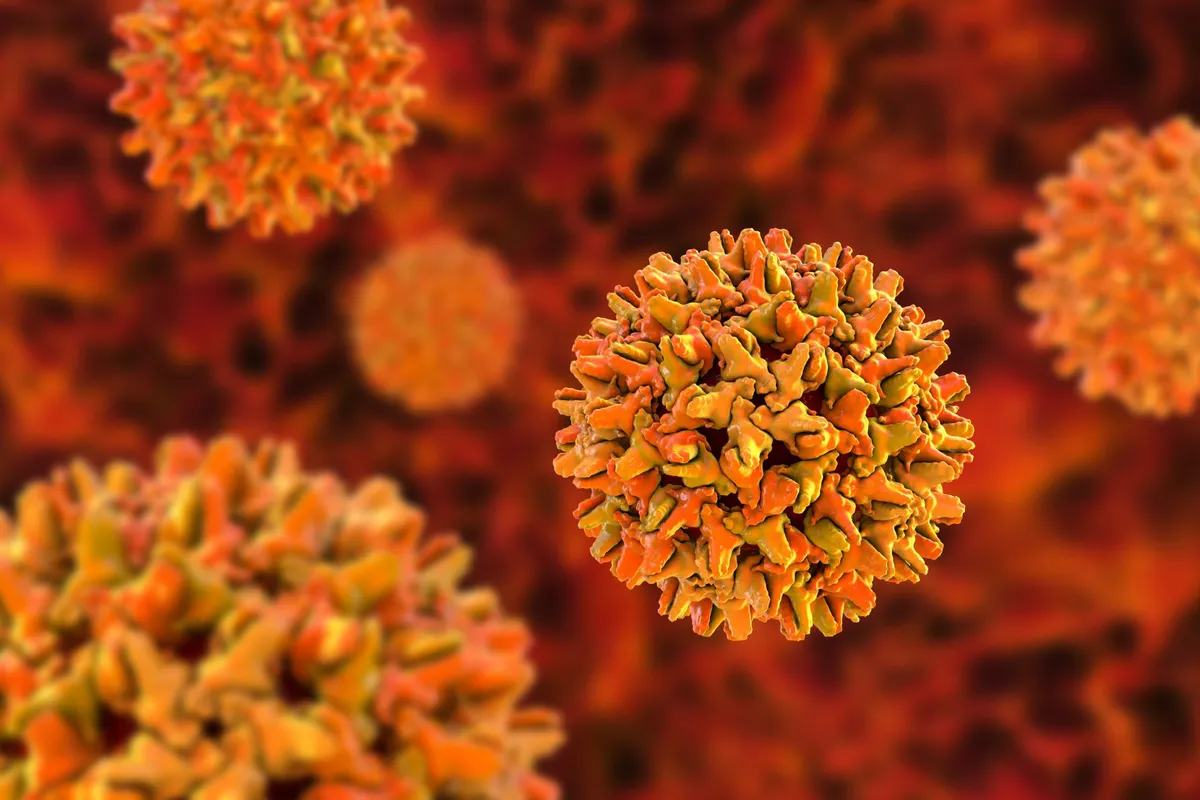
The Trial That Delivered
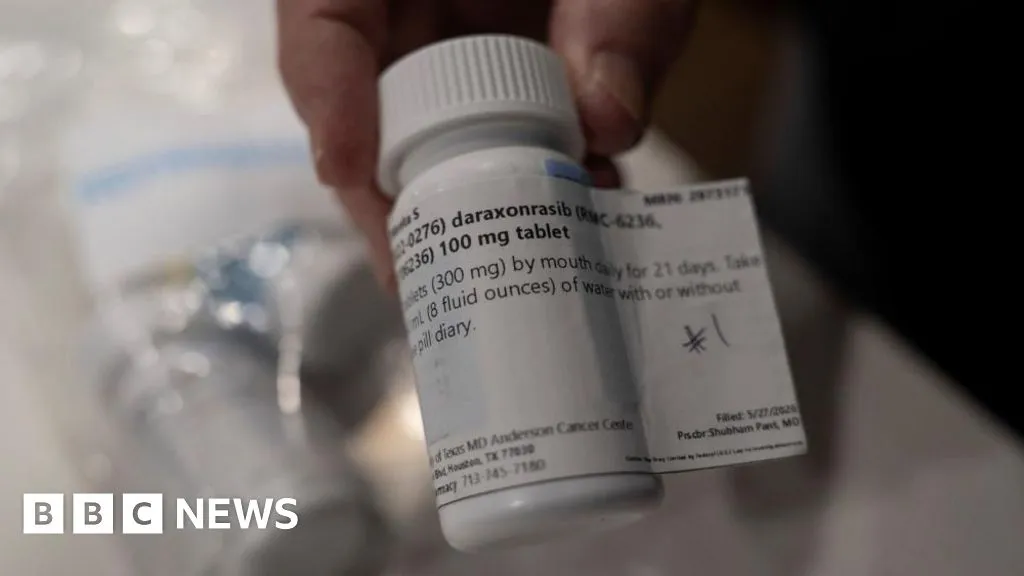
The B-Well trial was a global affair, enlisting 1,838 adults across 29 countries. For six months, half received a weekly shot of bepirovirsen, the other half a placebo. Everyone kept up their existing antiviral meds. The results, published in the New England Journal of Medicine, were, as one expert put it, a genuine reason for hope after a string of past disappointments.
We're a new kind of news feed.
Regular news is designed to drain you. We're a non-profit built to restore you. Every story we publish is scored for impact, progress, and hope.
Start Your News DetoxSo, how does this new molecular maestro work its magic? Bepirovirsen is a bit of a double threat. First, it muzzles the virus, stopping it from creating proteins by latching onto its messenger RNA. Think of it as hitting the mute button on viral production. Second, and perhaps more interestingly, it kicks your immune system's macrophages (the cellular bouncers of your body) into high gear, telling them to go after the hepatitis B virus with renewed vigor. It's less a typical antiviral and more an "immunomodulator," helping your own defenses stage a coup.
Who Benefits, and What's Next?
Now, for the fine print: the trial didn't include folks with cirrhosis, HIV, or severe disease. It also performed best for those whose hepatitis B was already somewhat under control. Which makes sense — it's easier to win a fight when the opponent isn't already running rampant.

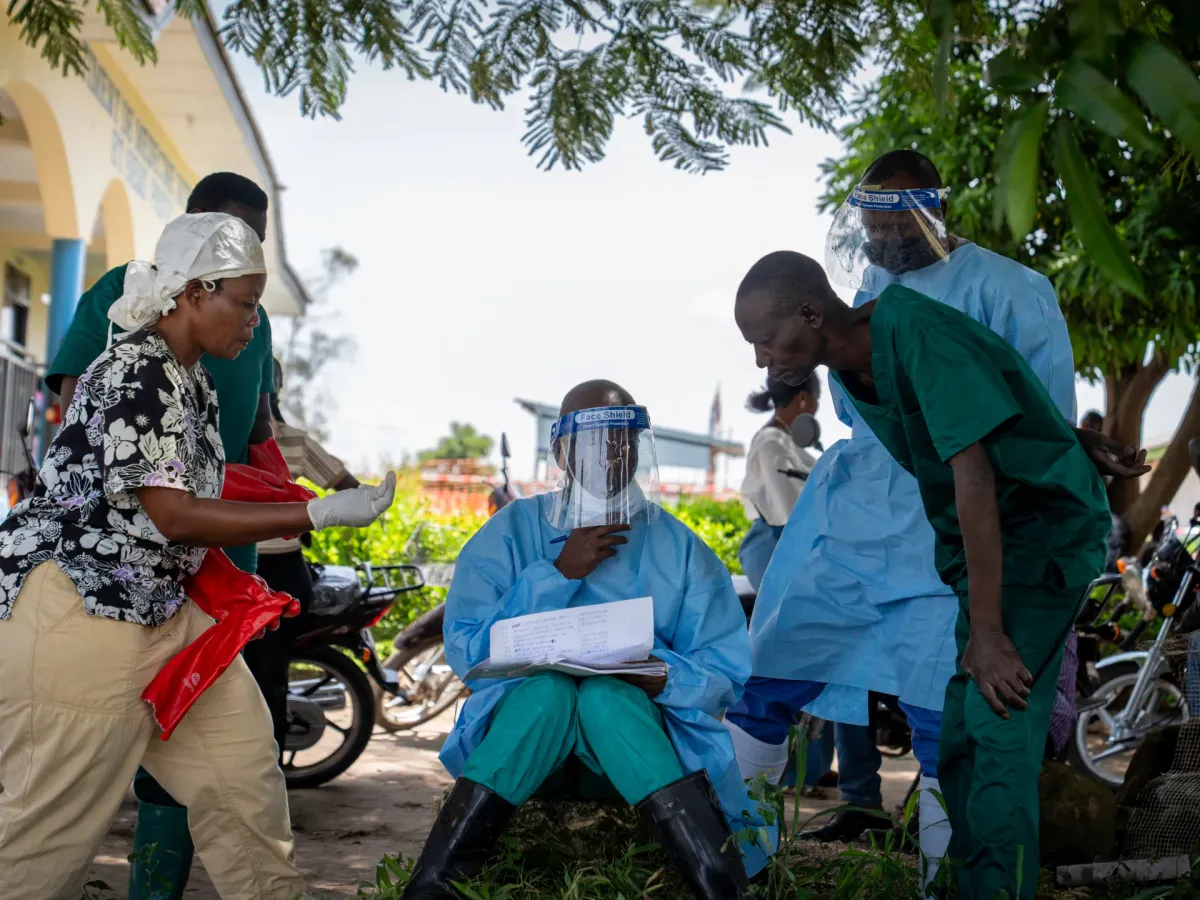
This breakthrough is critical because hepatitis B is a silent assassin. Over 240 million people worldwide live with it, but a staggering 87% don't even know they have it. It quietly wreaks havoc on the liver for years, often without a peep, leading to scarring, liver failure, and liver cancer. It's the second leading cause of cancer, right behind tobacco, and claims over a million lives annually.
Existing antivirals are good at suppressing the virus, but rarely clear it entirely, meaning a lifetime of medication. The vaccine, introduced in 1981, has been a game-changer for prevention, but many still lack access to treatment, especially in places like sub-Saharan Africa. The good news is that GSK has already submitted the trial data to regulators in the US, Canada, Europe, Japan, and China, with approval decisions expected this year. Potential side effects are manageable, mostly requiring monitoring for changes in blood counts or kidney function.
Ultimately, while the science is thrilling, the core mission remains: find the people with hepatitis B, get them into care, and stop this silent epidemic before it's too late. Because no one should have to carry a viral secret that can cost them their life.