You know that one friend who looks 30 but runs marathons like they're 20? Or the other one who's 40 but insists their knees are 80? Turns out, our chronological age is often just a suggestion. Scientists have been building "biological clocks" to get a more accurate read on our actual cellular wear and tear.
Now, a new one from Harvard and its collaborators just dropped, and it's a bit of a show-off. This clock doesn't just look at humans; it crunched over 11,000 gene activity profiles from rodents, monkeys, and us. The result? It can predict biological age across species and even give you a ballpark on remaining years. Which, if you think about it, is both impressive and slightly terrifying.
They even tested it on known anti-aging methods, like parabiosis — which sounds like a villain's plot, but is actually just giving old animals young blood. And yes, the clock registered the youthful boost.
We're a new kind of news feed.
Regular news is designed to drain you. We're a non-profit built to restore you. Every story we publish is scored for impact, progress, and hope.
Start Your News DetoxWhile you won't be asking your doctor for a "biological age check" just yet, this tool is a massive leap for researchers trying to hit the brakes on aging. As one scientist not involved in the study put it, it could help them pinpoint exactly what's going on when we try to slow things down.
The Ticking Truth
So, how do these biological clocks work their magic? Mostly, it's AI sifting through mountains of data. Some clocks look at blood proteins linked to brain aging, others at fats and proteins to gauge inflammation risks. The fancier ones, "multi-omics" clocks, throw everything in: blood tests, metabolism, genes, and health data, all to paint a complete picture of your internal timeline.
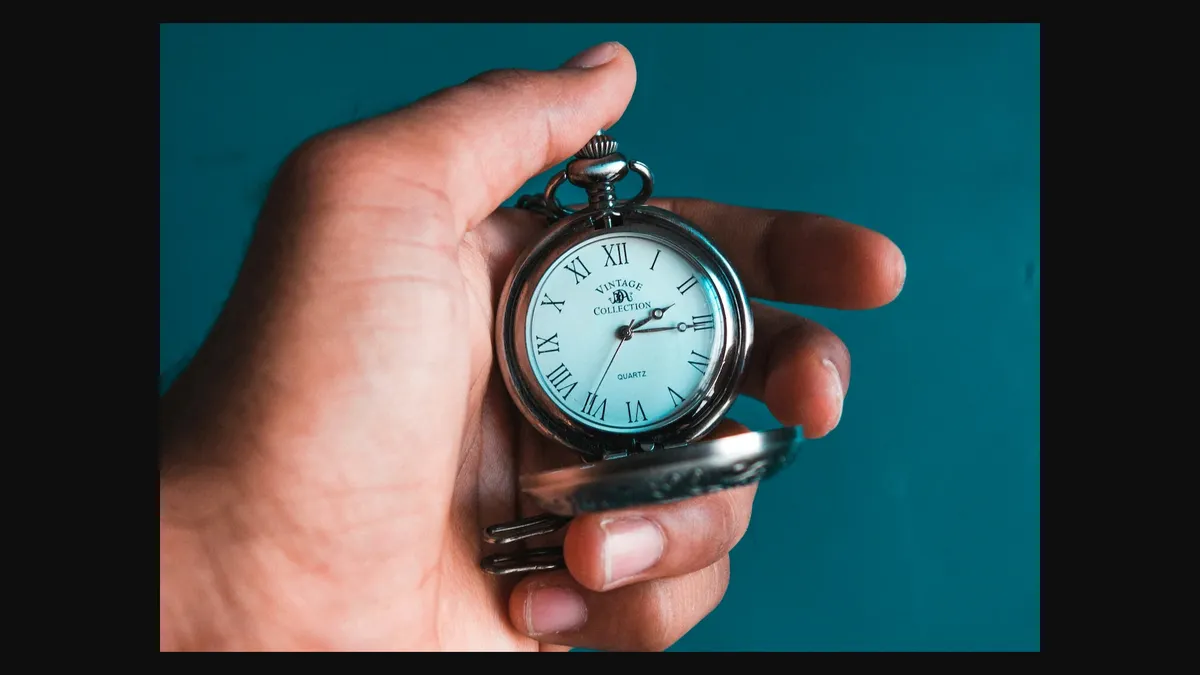
The rockstars of the clock world have been "epigenetic clocks." These track chemical tags that build up on our DNA, flipping genes on or off. Diet, exercise, stress, sleep — they all leave their mark. The difference between your actual age and your epigenetic age? That's been linked to everything from disease risk to how long you might stick around. But explaining why these tags change has always been a bit of a mystery.
This new Harvard clock takes a different approach: gene activity, or transcriptomics. Think of it as a snapshot of which genes are currently busy doing their thing. Earlier studies have linked aging transcriptomes to inflammation, mitochondrial meltdowns (your cells' power plants going kaput), and the breakdown of your body's support structures.
The upside? Gene activity is easier to interpret than those mysterious DNA tags. The downside? Your transcriptome changes faster than a teenager's mood. Stress, illness, even the time of day can shift it, making it a less stable measure of aging.
To build this robust new clock, the team didn't just look at humans. They pulled data from mice on special diets or drugs, monkeys, rats, and over 4,000 human samples. This gave them an incredibly broad view of how aging manifests across different species.
When they applied their clocks to individual cells, they found that over 90% of cells from older or diseased models showed older transcriptomic ages. It seems aging really does start from within. In humans, the clocks accurately predicted lifespans in a major heart study and even showed faster aging after radiation exposure or chronic disease. Conversely, those young-blood transfusions? They registered as slower aging.
Looking at the genes driving these clocks, researchers found common culprits: inflammation, energy problems, and senescence — when failing cells start spewing toxic molecules. Many of these signs appeared across different organs and species, suggesting that the core mechanics of aging have been remarkably consistent throughout mammalian evolution. Which is a fancy way of saying, our cells are all dealing with roughly the same existential crises.
This is huge for longevity research, especially since most of that work happens in rodents. Now, scientists can test potential anti-aging treatments and get immediate feedback on biological age, predicting lifespan long before the animals actually... well, expire. In theory, this could dramatically speed up the search for interventions.
Of course, it's not a crystal ball. Scientists still don't know if these gene changes cause aging or are just symptoms. And with so many different biological clocks emerging, all telling slightly different times, it just goes to show that even when we're talking about the fundamental process of life, things are rarely simple.