For ages, the smart money on long COVID's infamous brain fog and crushing fatigue was pointing squarely at widespread brain inflammation. It made sense. You get sick, things swell, you feel terrible. But a new study just threw a very Finnish wrench in that theory. Turns out, it's a bit more complicated than that.
Researchers in Finland, who clearly enjoy a good mystery, peered into the brains of long COVID sufferers. Their big reveal? No widespread brain inflammation to be found. Instead, the folks with the most brutal symptoms were showing off some serious activity in the brain's emotional centers. Because apparently, feeling rough isn't just a physical thing; your brain's feelings about it might be part of the problem too.
The Brain's Emotional Rollercoaster
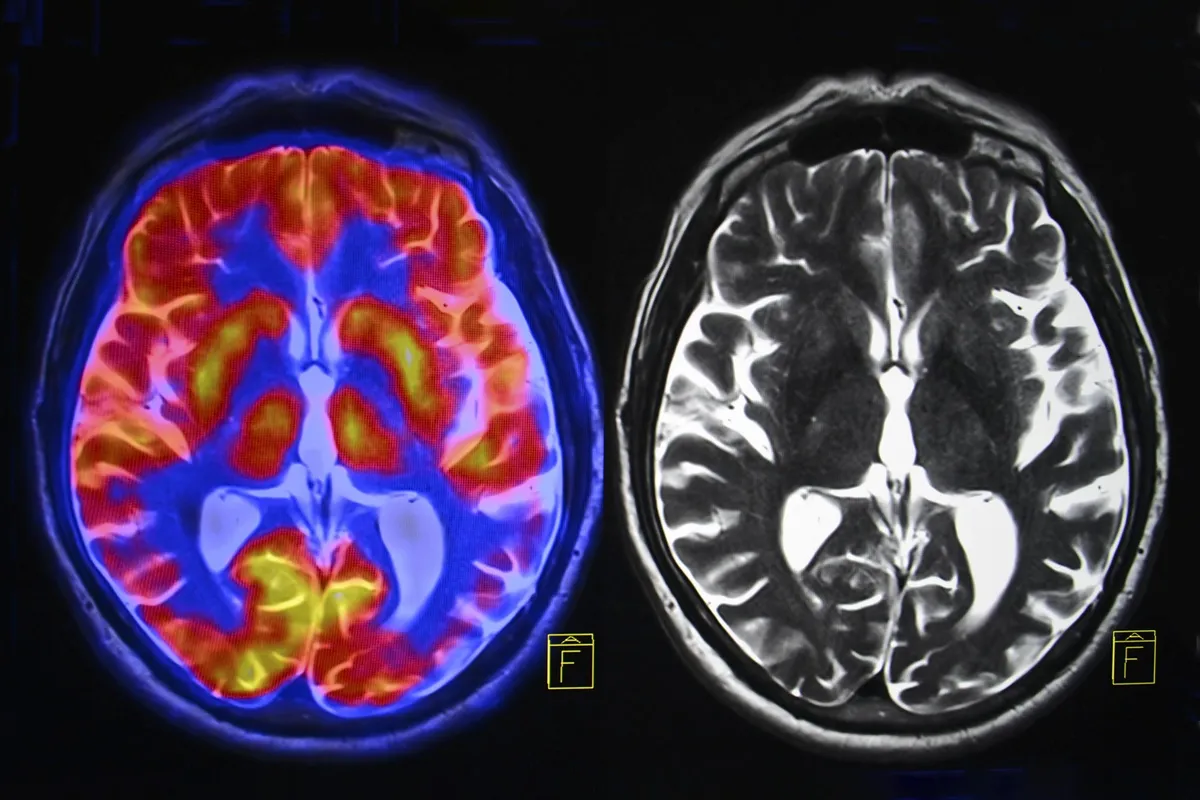
The Finnish team, led by Professor Laura Airas, used PET and MRI scans, plus good old blood samples, to get the full picture. They compared 14 long COVID patients to 11 healthy volunteers and, for a bit of contrast, 13 people with multiple sclerosis (MS) — a condition known for its brain inflammation party.
We're a new kind of news feed.
Regular news is designed to drain you. We're a non-profit built to restore you. Every story we publish is scored for impact, progress, and hope.
Start Your News DetoxAnd the verdict? Long COVID patients had way less inflammatory activity in their brain's white matter than MS patients. In fact, when it came to inflammation and nerve damage markers, they were pretty much indistinguishable from the healthy crowd. As Airas dryly put it, they "did not observe evidence of widespread brain inflammation."
Now, earlier studies of severe COVID-19 did find inflammation. So, the new thinking is that any inflammation might be an early bird, showing up right after infection and then politely excusing itself over time. Patients scanned within 16 months of infection showed a bit more activity, suggesting it's not a permanent resident.
But here's the kicker: the hippocampus and amygdala. These are your brain's resident drama queens, handling emotions, memory, and stress responses. The more anxiety, depression, and general misery a long COVID patient reported, the more these areas were lighting up like a Christmas tree. Which, if you think about it, is both impressive and slightly terrifying.
So, what does this mean for the millions globally still wrestling with long COVID's fatigue, brain fog, and the general feeling that their brain has decided to take an extended vacation? It means the focus might shift. Instead of just trying to put out an inflammatory fire that isn't really raging, future treatments might be better aimed at soothing those overactive emotional circuits. Think stress management and emotional regulation, rather than just anti-inflammatories.
The brain, it seems, is still full of surprises. And sometimes, the biggest clues are hiding where you least expect them — right in the thick of your feelings.