For years, scientists thought the secret to aging was all in our mitochondrial DNA — those tiny powerhouses in our cells slowly accumulating damage like a well-worn car. Turns out, there's another, far more surprising culprit in the cellular aging game: a missing fat molecule that keeps your cell's energy grid from collapsing.
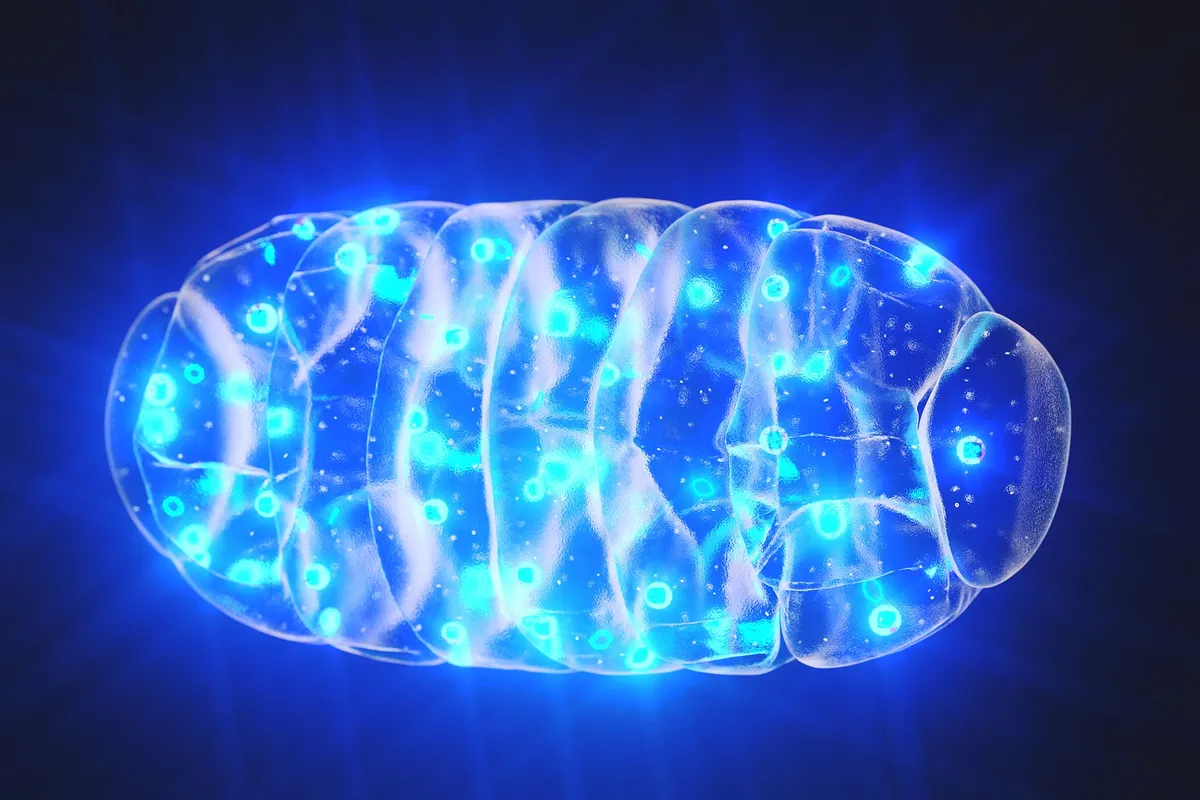
Think of your mitochondria like a city's power grid, constantly connecting and sharing resources. When you're young, this grid is flexible, adapting to demand. But as we age, those connections get… well, wonky. And the reason, according to new research, is a crucial membrane fat called phosphatidylcholine. When it goes, the grid goes with it.
The Fat That Keeps Your Cells Young
Phosphatidylcholine is a building block for cell membranes, keeping them pliable enough for "mitochondrial fusion" — the cellular equivalent of power stations linking up to share energy and repair themselves. Without it, those connections fray.
We're a new kind of news feed.
Regular news is designed to drain you. We're a non-profit built to restore you. Every story we publish is scored for impact, progress, and hope.
Start Your News DetoxAnd here's the kicker: as we age, our bodies produce less of this vital fat. Scientists actually saw young worms' mitochondria age rapidly when they stopped them from producing phosphatidylcholine. Which, if you think about it, is both impressive and slightly terrifying.
The good news? This whole process seems reversible. When those same worms were given phosphatidylcholine (or a related substance, choline), their mitochondria looked significantly younger in just two days. Dr. Tetiana Poliezhaieva, a lead author, was reportedly quite impressed by how much this single molecule affects mitochondrial structure and function. It's like finding the one loose wire that's been messing up the entire system.
Dr. Maria Ermolaeva described it perfectly: an aging power grid with broken connections and stalled currents. Energy still gets produced, but it's like trying to power a city with a sputtering generator. Cells lose their "metabolic plasticity" — their ability to adapt to changing energy demands. And that loss? It's directly linked to aging and diseases like diabetes.
From Worms to Women
The researchers didn't just stop at worms. They cross-referenced their findings with human cells and huge health datasets, looking at everything from fats and proteins to genes and metabolism in people of different ages. What they found was a direct link between these tiny molecular changes in worms and broader aging patterns in humans.
They also noticed something particularly interesting about sex differences in fat metabolism: women showed the most significant drop in phosphatidylcholine levels around menopause. Dr. Ermolaeva pointed out that this aligns perfectly with when many women report a significant drop in energy and persistent tiredness. Suddenly, that mid-life slump has a very specific molecular address.
Perhaps the most exciting takeaway is the idea that some age-related damage isn't a one-way street. Giving older worms phosphatidylcholine didn't just stabilize their mitochondrial networks; it actually improved their cellular energy production. This suggests that dietary changes — perhaps even supplements — could help extend healthy aging, even if you start later in life.
The research shifts the entire aging conversation, moving it from irreversible decline to a process that might just have a very specific, and surprisingly simple, molecular off-ramp. Now, if you'll excuse us, we're off to research choline-rich foods. Just in case.