May was, shall we say, a busy month for anyone keeping tabs on the universe – both the one within us and the one far, far beyond. From the very fabric of spacetime to the fundamental building blocks of biology, it felt like researchers were collectively leaning in, peering closer, and discovering that everything we thought we knew was just a first draft.
The Cosmos Gets a New Map (and a Skeleton Key)
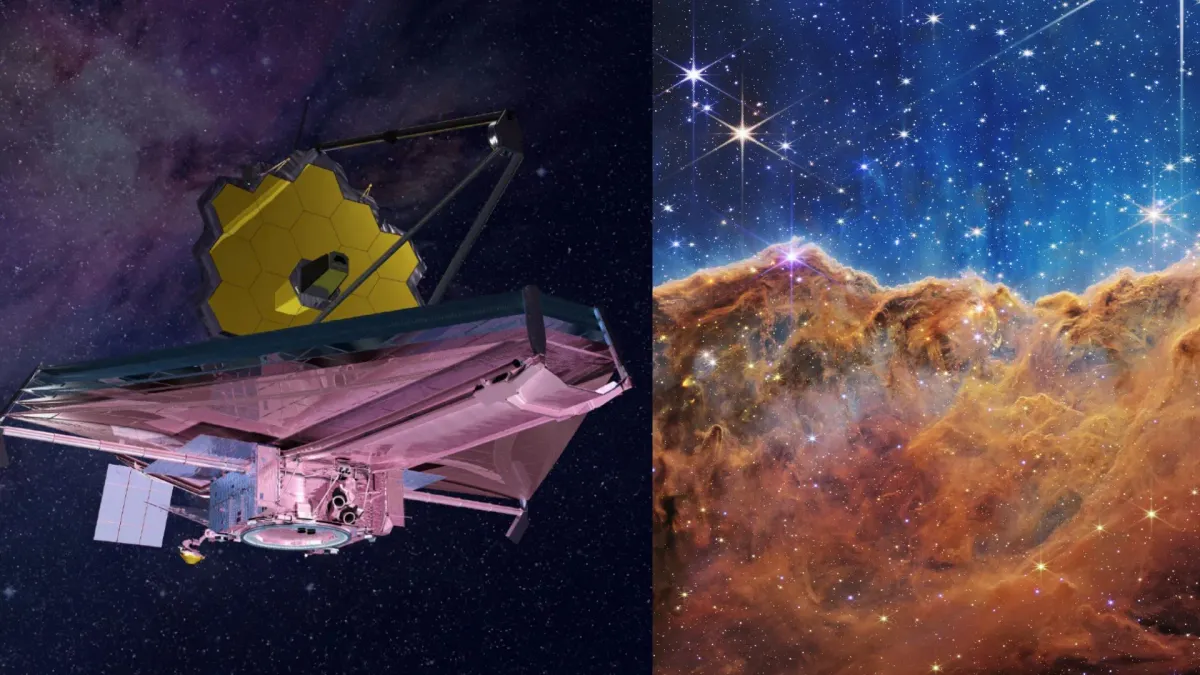
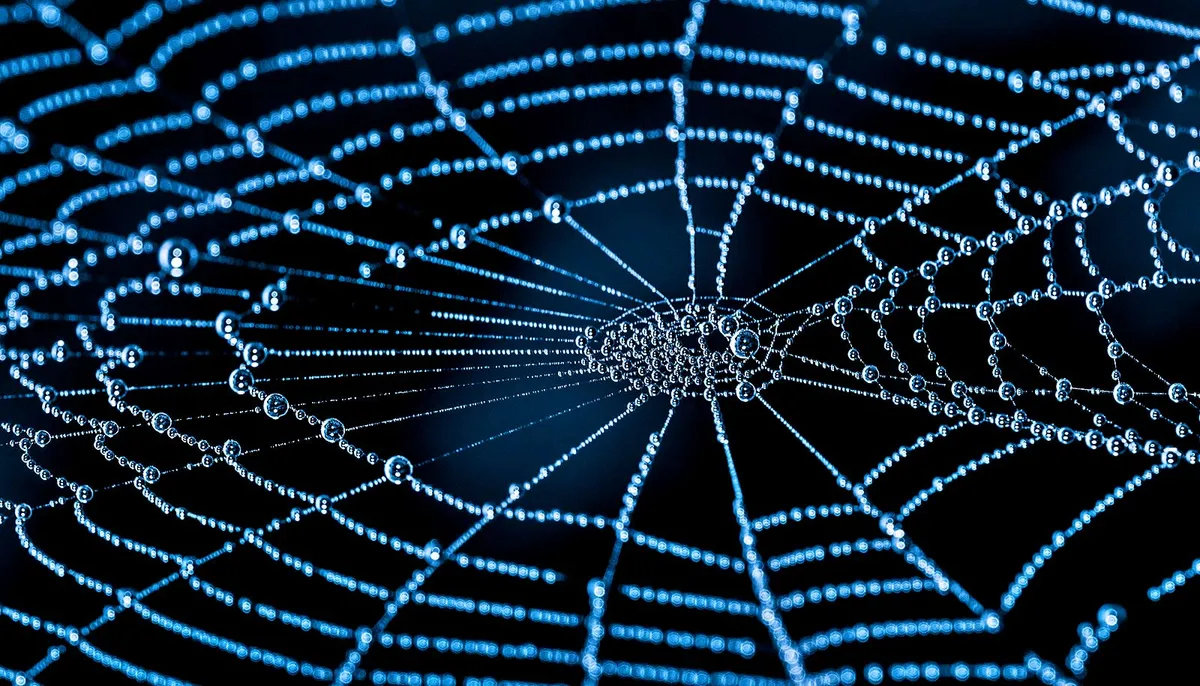
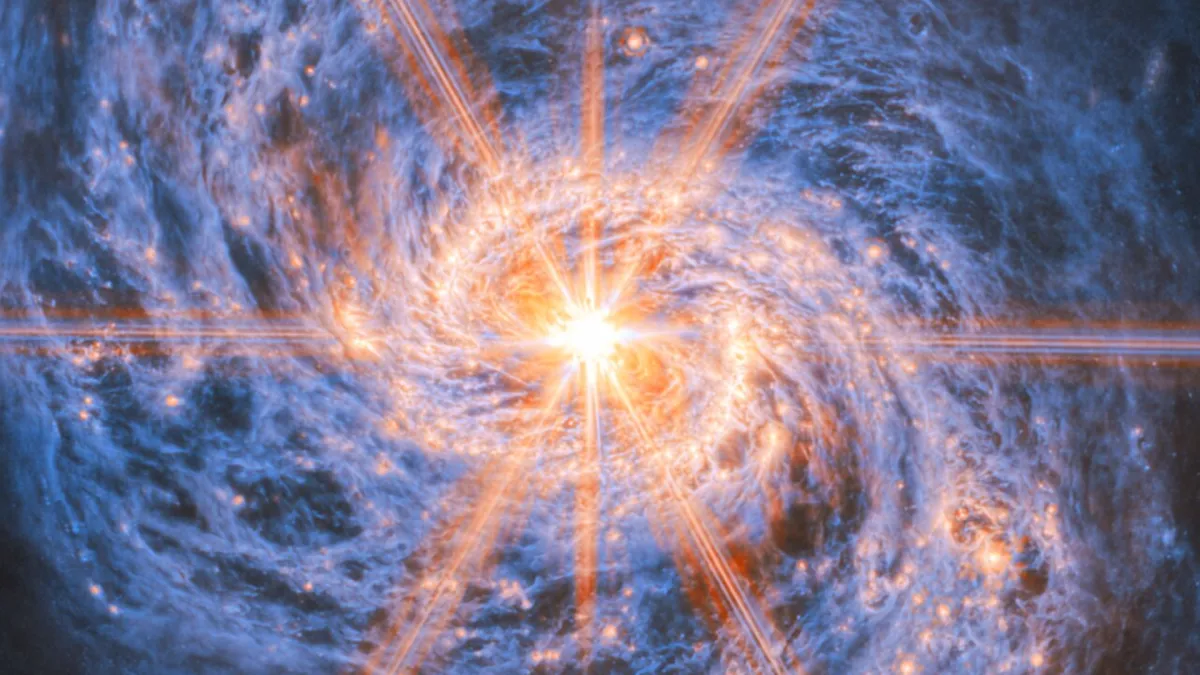
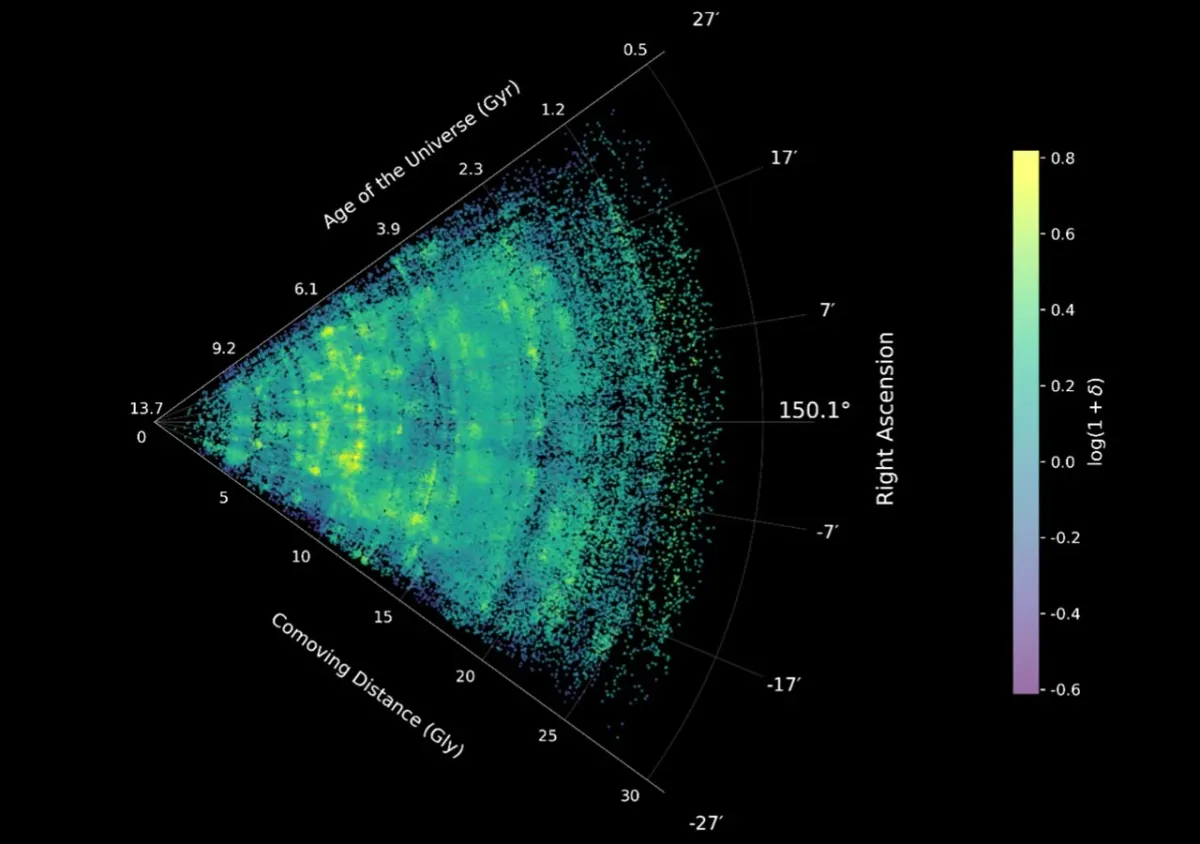
If you ever felt lost, rest assured, you're not alone. Our own galaxy is just one tiny speck in a cosmic web that scientists are finally, truly beginning to map. This month, the James Webb Space Telescope delivered the most detailed map yet of the universe's vast cosmic web, a skeletal framework of galaxies and dark matter that stretches across 13.7 billion years. Not content with just a map, another team then snapped a direct picture of one of these cosmic highways – a glowing strand connecting two galaxies from nearly 12 billion years ago, stretching a cool three million light-years.
This wasn't just pretty pictures. It was about understanding the very architecture of existence. Scientists also cracked a major mystery: how the universe's monster black holes get so big. Turns out, they're built through chains of violent mergers deep inside crowded star clusters. This month, we didn't just look at the universe; we started to read its blueprints. If you've ever wondered about the grand scheme of things, May offered some rather compelling answers.
We're a new kind of news feed.
Regular news is designed to drain you. We're a non-profit built to restore you. Every story we publish is scored for impact, progress, and hope.
Start Your News Detox"The universe’s vast, skeleton-like framework—a network of interconnected filaments and nodes made up of galaxies, gas, and dark matter—is now visible in unprecedented detail." — Read the full story
Biology's Textbooks Get a Rewrite
While astronomers were busy mapping the macro, biologists were busy dismantling the micro. It seems the rulebook for life itself is due for an update. For over a century, we thought axons, the long fibers of nerve cells, were smooth, uniform tubes. Not so, says new research, which debunked this 100-year-old belief, revealing brain cells are more like pearl necklaces. This isn't just a fun fact; it fundamentally changes how we understand brain function and disease.
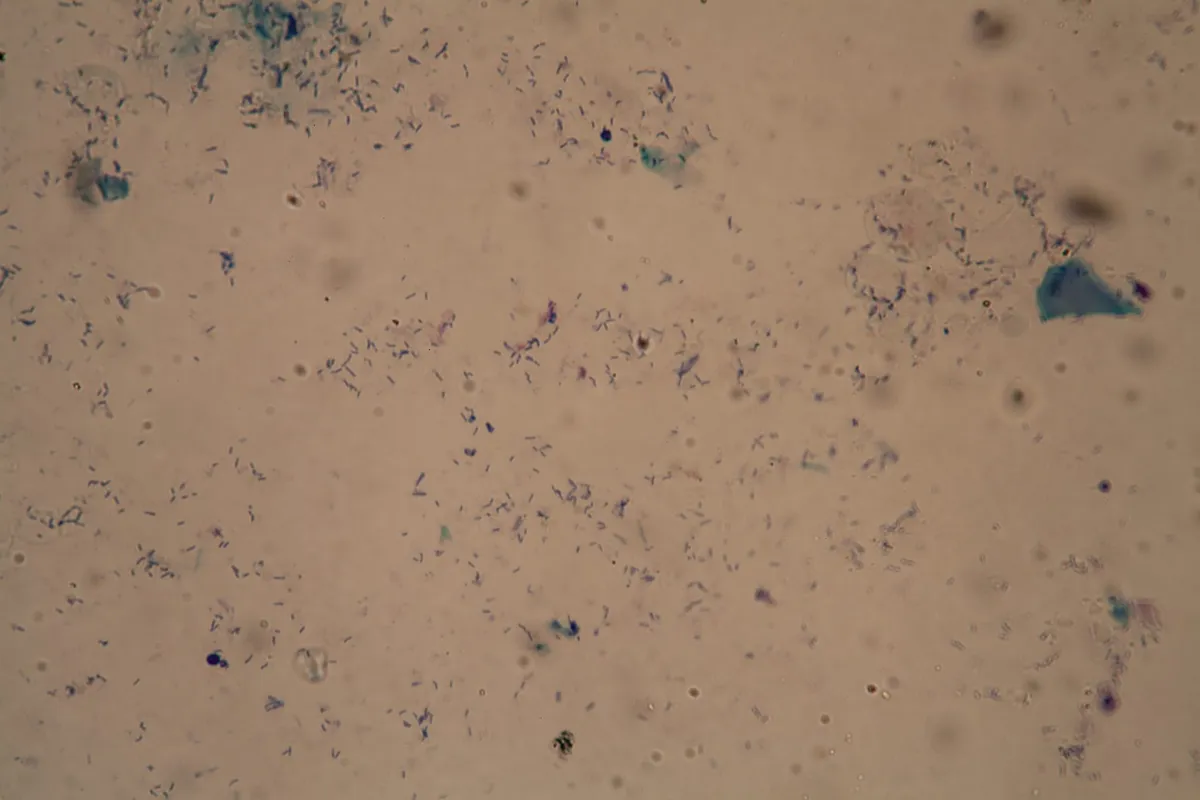
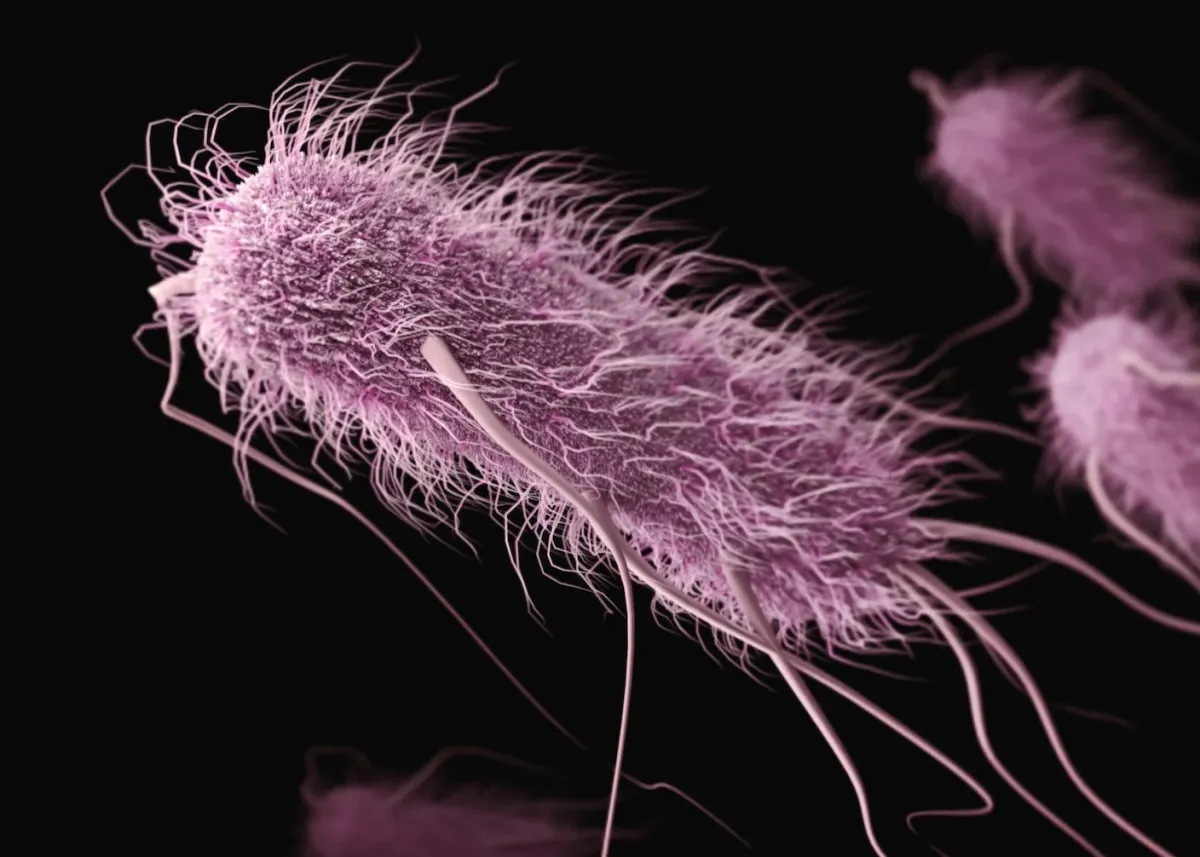
Even more audacious, scientists rewrote life's instruction manual by deleting an amino acid from bacteria. All known life uses 20 amino acids. These synthetic cells thrived for hundreds of generations with just 19. This isn't just a stunt; it's a profound demonstration of our increasing ability to engineer life at its most basic level, opening doors for designer proteins and new medicines. If you thought biology was settled science, May just proved it's still very much a frontier.
Health Breakthroughs: Precision and Power
On the health front, the news was less about rewriting foundational truths and more about wielding powerful new tools with unprecedented precision. Pancreatic cancer, often dubbed the deadliest of major cancers, saw two significant breakthroughs. A daily pill nearly doubled survival rates for patients, offering a much-needed new weapon against a notoriously aggressive disease. Even earlier detection is on the horizon, with AI spotting invisible signs of pancreatic cancer years before doctors can through blood tests.
But perhaps the most dramatic news came in cancer treatment itself: a simple jab just melted away tumors that resisted everything else. This triple-action cancer jab eradicated entire tumors in patients whose disease had spread or returned and failed to respond to other treatments. This isn't incremental progress; it's a new chapter in the fight against a disease that has long seemed intractable. If you or someone you know has been waiting for a glimmer of hope in the cancer fight, May delivered a powerful one.
"Doctors have hailed “unprecedented” trial results that show a triple-action cancer jab can eradicate entire tumours in patients." — Read the full story
May felt like a month of grand revelations and meticulous re-engineering. We looked out at the universe with new eyes, and then we turned inward, finding new ways to heal and even redefine life itself. The consistent thread? A relentless curiosity pushing the boundaries of what's possible, reminding us that the biggest breakthroughs often come from asking the most fundamental questions.
Hope stat: 19 — the new lowest number of amino acids required for life, thanks to synthetic biology.
Watch this space: Keep an eye on how these new insights into the cosmic web inform our understanding of dark matter and energy, and how that new cancer jab performs in broader trials.