Some memories from our teenage years might not be gone forever. Instead, our brains might temporarily hide them while rebuilding the memory system.
A study on mice found unexpected changes in a brain area that helps store and retrieve long-term memories. During late adolescence, protective structures around key brain cells temporarily weakened. This made it harder to recall earlier life experiences. These memories often came back in adulthood, but some were less precise than before.
These findings, published in PLOS Biology, suggest a biological reason why access to older memories changes as the brain grows. They also show that adolescence is a long period, not just the teenage years, where brain circuits keep reorganizing.
We're a new kind of news feed.
Regular news is designed to drain you. We're a non-profit built to restore you. Every story we publish is scored for impact, progress, and hope.
Start Your News DetoxA Memory Circuit Under Reconstruction
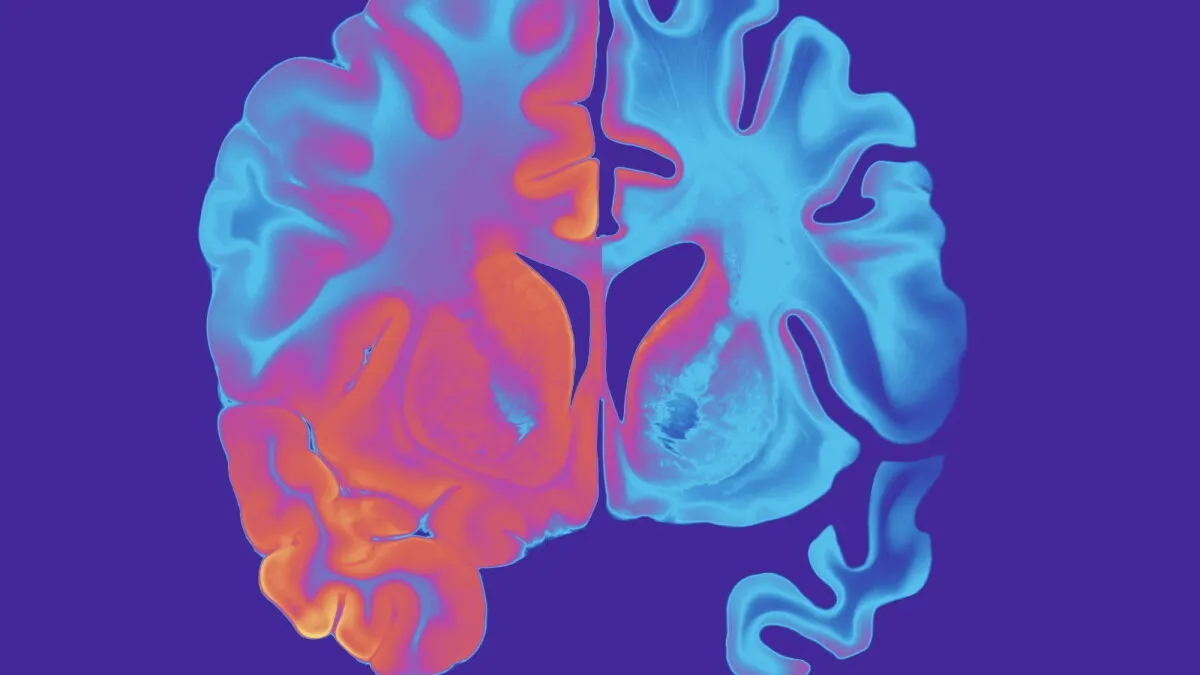
Researchers looked at the retrosplenial cortex (RSP). This brain area connects experiences with places, context, and existing information. While less known than the hippocampus, the RSP is crucial for retrieving old memories.
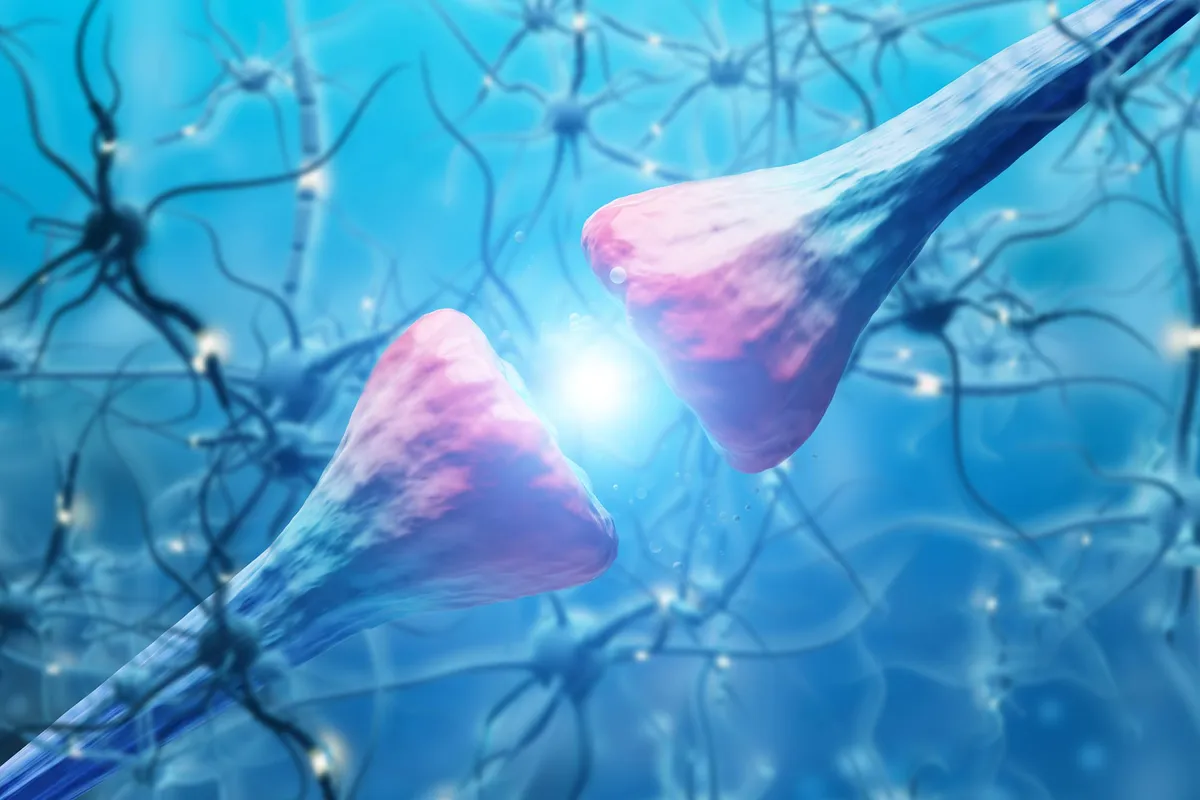
In late adolescent mice, the team saw a sharp drop in perineuronal nets in the RSP. These nets are mesh-like structures that surround certain neurons. They help stabilize connections that store information over time. Their temporary loss might make memory circuits more flexible. However, it could also make older memories harder to access.
The nearby hippocampus, which forms new memories, did not show these changes. This suggests that adolescence affects different parts of the memory system in unique ways.
Why Memory Access Changes
Jelena Radulovic, a professor at Albert Einstein College of Medicine, explained that the brain continues to develop through adolescence and young adulthood.
She noted that their findings show how this development affects memory circuits and how earlier experiences are recalled.
Radulovic believes that the reorganization of perineuronal nets in the RSP helps prioritize memories formed in adulthood. This might make it harder to access memories from early adolescence. This process could help individuals adapt better to adult life challenges. Researchers are now studying if preventing these changes in adolescence would have negative effects later on.
Adolescence Lasts Longer
Earlier studies suggested that memory circuits were mostly mature by early adolescence. The new research challenges this idea. An important part of the memory system seems to become unstable later in adolescence before stabilizing again in adulthood.
This timing is important because the human brain also keeps developing past the teenage years. Processes like planning, impulse control, and emotional regulation can mature into the mid-to-late 20s. The National Institutes of Health states that the brain is still developing during this extended period.
Hui Zhang, a research fellow at Einstein, said that the mice's behavior matched the biology. As the stabilizing structures in the retrosplenial cortex declined, memories formed earlier became less reliable.
Memories Were Hidden, Not Erased
To test memory effects, researchers put mice in a chamber where they received a mild foot shock. When returned later, the mice froze, showing they remembered the shock.
The response changed over time. Many mice trained in early adolescence stopped freezing when they returned to the chamber weeks later. Adult mice trained the same way continued to respond, meaning their memories were more stable.

The adolescent memories were not erased. When the mice were reminded of the event in a different place, their fear of the original chamber returned. This showed that the information was still stored but was temporarily hard to retrieve.
Restoring the Brain’s Protective Nets
Researchers linked this memory access loss to lower levels of proteins needed for perineuronal nets. The activity of TGFβ2, a growth factor that supports these structures, also dropped during this time.
When the team strengthened the nets or restored TGFβ2 activity, the animals could again retrieve earlier memories. This proved that the structural changes were causing the retrieval problem, not just associated with it.
By mid-adulthood, many inaccessible memories returned on their own. However, they were less specific. The mice showed fear in unfamiliar environments, not just the shock chamber.
Why Old Memories Return Blurred
This generalization might be a trade-off. Remembering the general emotional lesson of an experience can be useful, even if specific details fade. A dangerous event, for example, might change future behavior even if the exact time and place are forgotten.
The researchers compared this to the "reminiscence bump." This is when adults recall many memories from adolescence and early adulthood. These memories often have strong emotional meaning, even if details are incomplete.
It's unknown if the same biology drives both phenomena. The later return of adolescent memories could be due to more perineuronal nets with age, repeated exposure to similar experiences, or other unknown processes.
A Possible Window of Vulnerability
Schizophrenia and major depression often appear during late adolescence. This period overlaps with the brain circuit remodeling seen in the mice.
Researchers suggest this temporary instability might create a sensitive developmental window. In people with a genetic risk, disruptions to this process could increase the chance of psychiatric illness. However, these experiments were in mice. More research is needed to see if human memory circuits undergo similar changes.
Deep Dive & References
Retrosplenial cortical reorganization during late adolescence introduces instability of contextual memory circuits - PLOS Biology, 2026