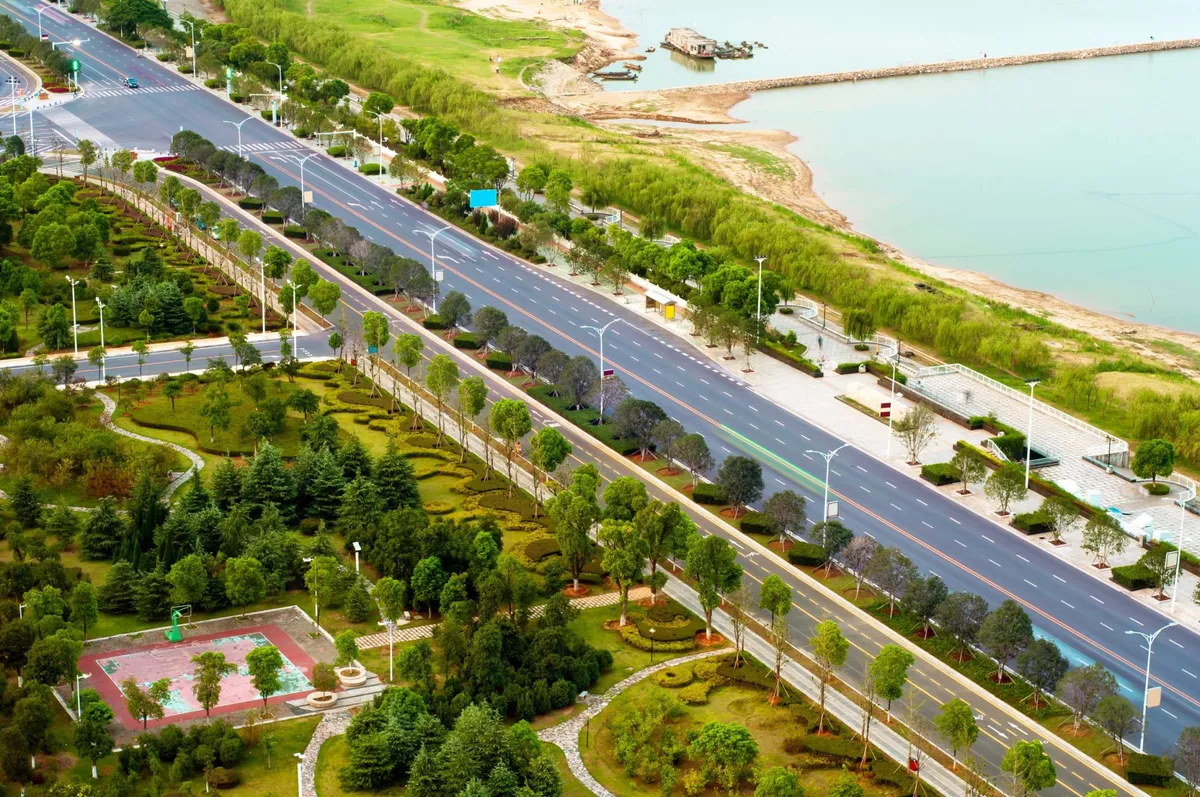
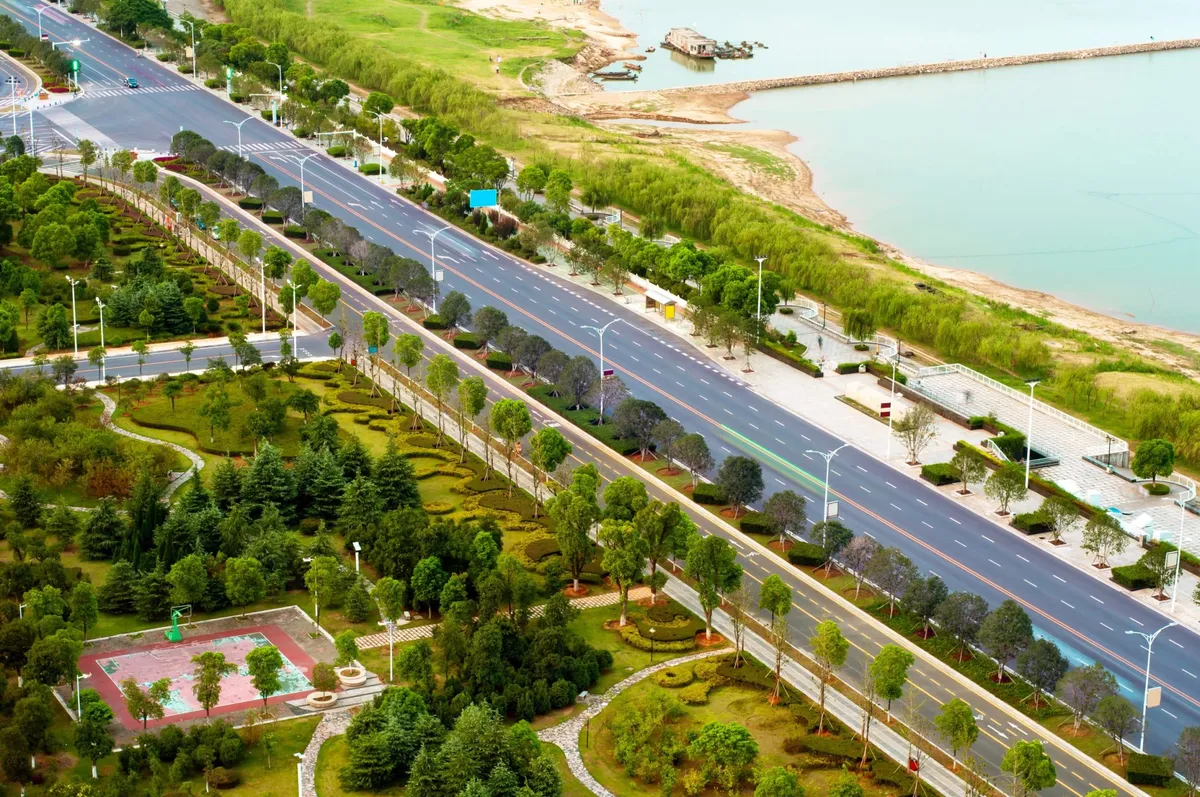
You know trees are good for cities. They look nice, they make the air a little less… city-like, and they definitely cool things down. Or do they? New research suggests that when it comes to battling urban heat, it's not just about how many trees you jam into a sidewalk planter, but how you arrange them.
Turns out, a haphazard approach to greenery can sometimes make things hotter. Because apparently that’s where we are now: even our good intentions with nature need a strategic mind.
Mohammad A. Rahman from the University of Melbourne led a study across Melbourne, Munich, and Hong Kong, and the findings are a gentle slap to our collective, tree-counting wrist.
We're a new kind of news feed.
Regular news is designed to drain you. We're a non-profit built to restore you. Every story we publish is scored for impact, progress, and hope.
Start Your News DetoxThe Goldilocks Zone of Green
Take Melbourne. Researchers found that street trees there dropped the mean radiant temperature by a whopping 18 degrees Celsius (32 Fahrenheit). That's the heat you feel from all those baking roads and buildings, not just the air temperature. So, yes, trees absolutely make a difference to your personal comfort.
Munich, however, showed us the true power of teamwork. Streets with a full ensemble — trees, shrubs, and ground cover — slashed afternoon heat stress by nearly eight degrees Celsius (14 Fahrenheit). That’s a bigger drop than trees managed on their own. It’s the plant version of a supergroup, apparently.

Hong Kong also saw benefits, mostly from dense tree canopies providing shade. But things got a little… complicated there.
When More Plants Become the Problem
In Hong Kong, all that dense planting came with a side effect: increased humidity. While plants releasing water vapor (transpiration, for the science-curious) is great in dry climates, in an already muggy city, it just makes the air feel stickier. Your sweat doesn’t evaporate, you don’t cool down, and suddenly that lovely shade feels more like a sauna. Which, if you think about it, is both impressive and slightly terrifying.
Then there’s Munich’s narrow streets. Here, too many plants blocked airflow, trapping warm air and, as a bonus, keeping car pollution from dispersing. So, while you were trying to cool things down, you were accidentally creating a little urban hotbox of stale, car-fume-laced air.

The takeaway? Climate, street width, and airflow are all critical. What makes one city feel like a temperate oasis might turn another into a humid, stagnant greenhouse.
So, the next time a city boasts about its tree count, maybe ask about its planting design. Because simply adding more green isn't always the same as planting well. And if we're going to spend money battling the heat, we might as well do it right.