Momy Seck Ndao, an environmental engineer, is leading an ambitious project in Senegal. She and her team are adding fish to rice fields. The goal is to solve three major problems: food insecurity, poverty, and a debilitating disease called schistosomiasis.
This approach is especially fitting for Senegal. The national dish, thieboudienne, combines rice and fish. Ndao jokes that if you grow both, you just need to add vegetables for a complete meal.
Fish to Fight Disease and Boost Crops
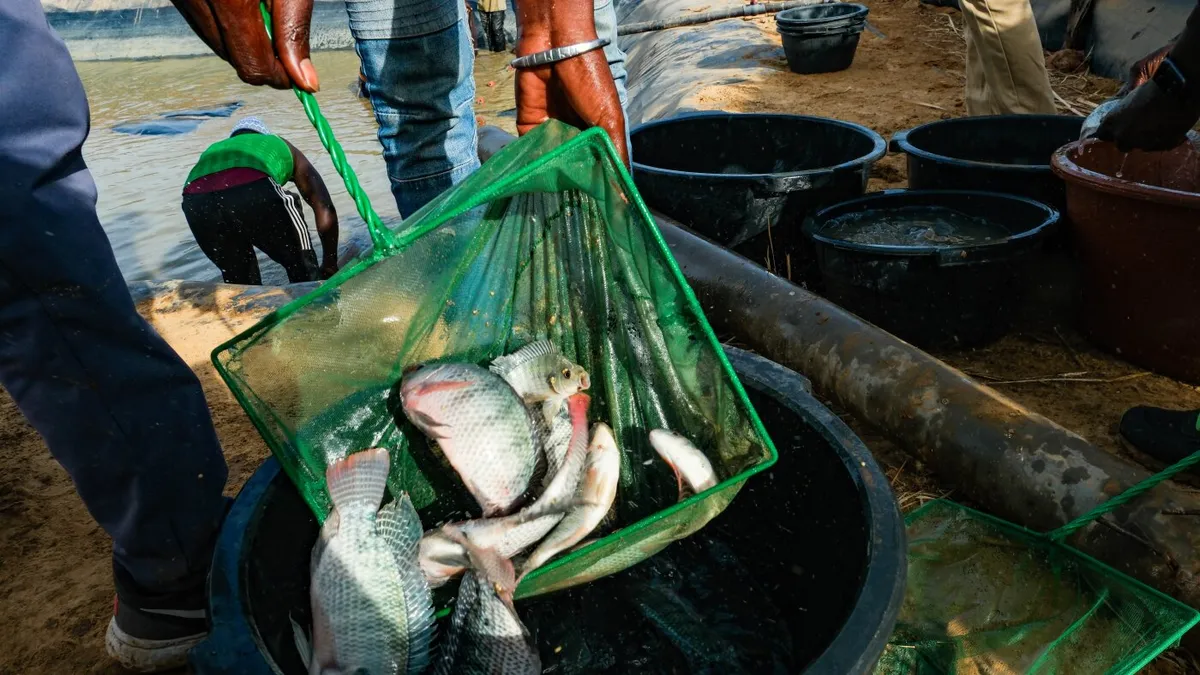
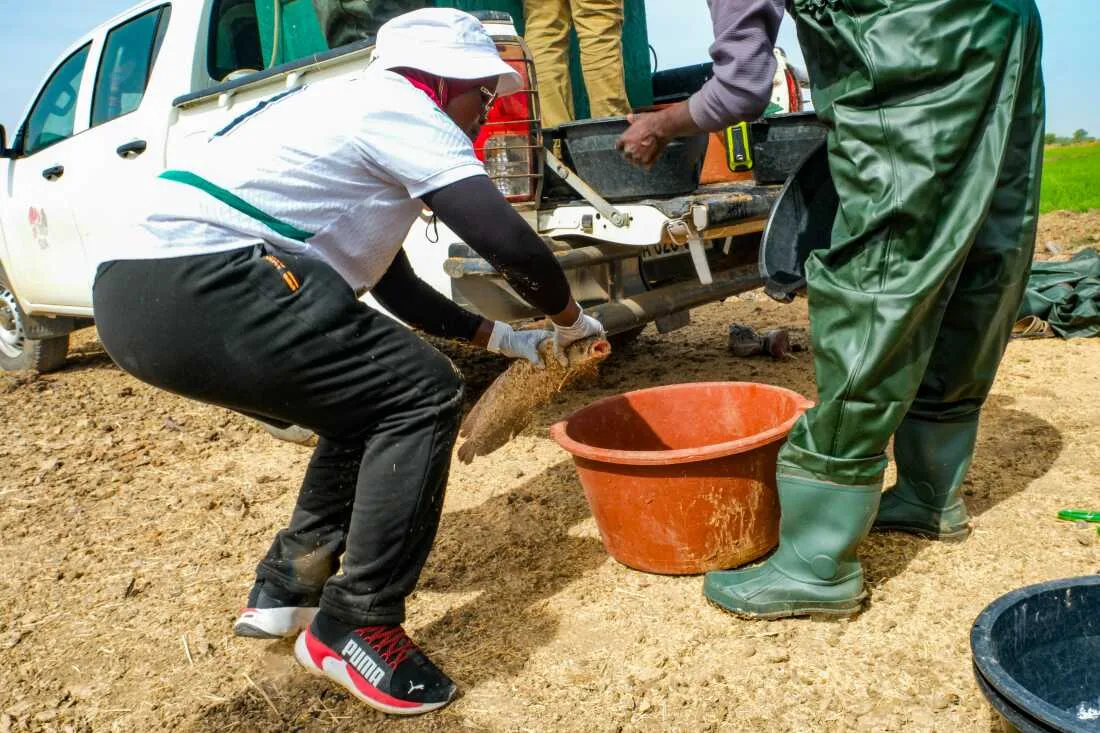
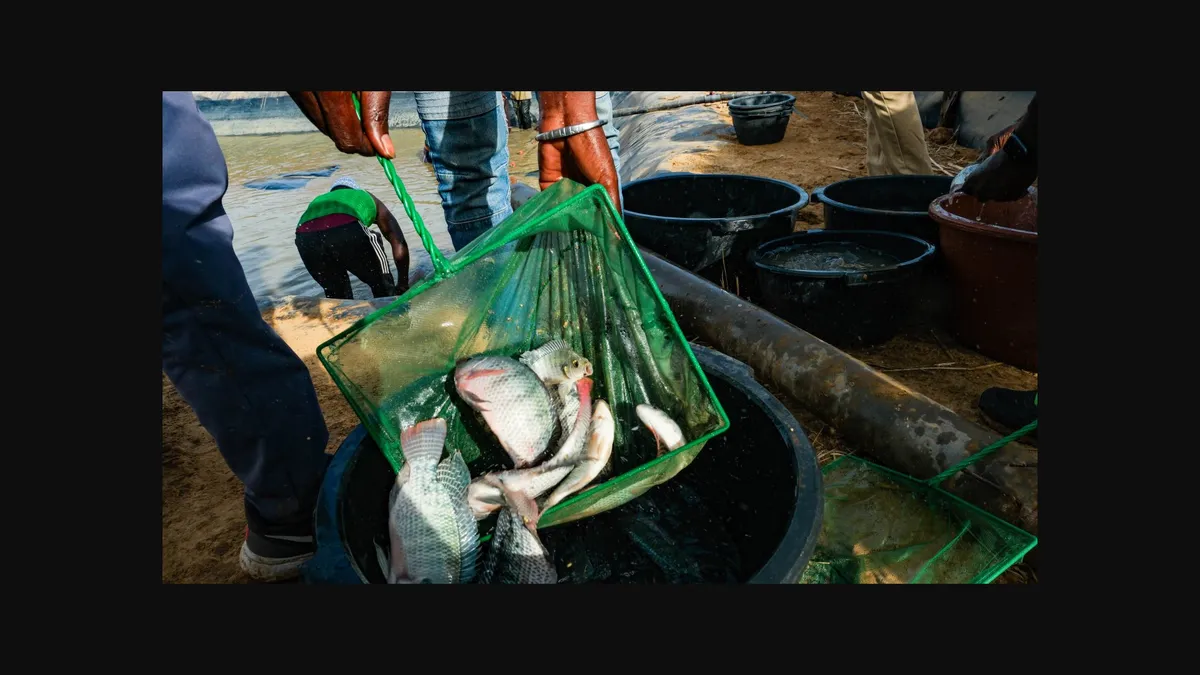
Ndao's team gathers about 1,900 tilapia and other fish. They transport them to rice fields in the Senegal River valley. The journey is a race against the sun, as temperatures can reach 100 degrees Fahrenheit.
We're a new kind of news feed.
Regular news is designed to drain you. We're a non-profit built to restore you. Every story we publish is scored for impact, progress, and hope.
Start Your News DetoxThe fish have two main jobs. First, they fertilize the rice with their waste, which should increase crop yields. Second, some fish, especially the African bonytongue (also called heterotis), eat snails.
These snails carry parasitic worms that cause schistosomiasis. This disease affects over 200 million people each year. The worms burrow into people's skin, causing symptoms like stomach pain, bloody diarrhea, and fever. In Senegal, about one-third of children are affected.
Dams built in the 1980s helped provide water for rice farming. However, they also allowed freshwater snails to thrive by blocking the migration of prawns that used to eat them. This led to a rise in schistosomiasis.
Farmers like Dgibi Dia have suffered from the disease for decades. He says the drugs to treat it are hard to find and expensive. Prevention is key for farmers who spend most of their time in the fields.
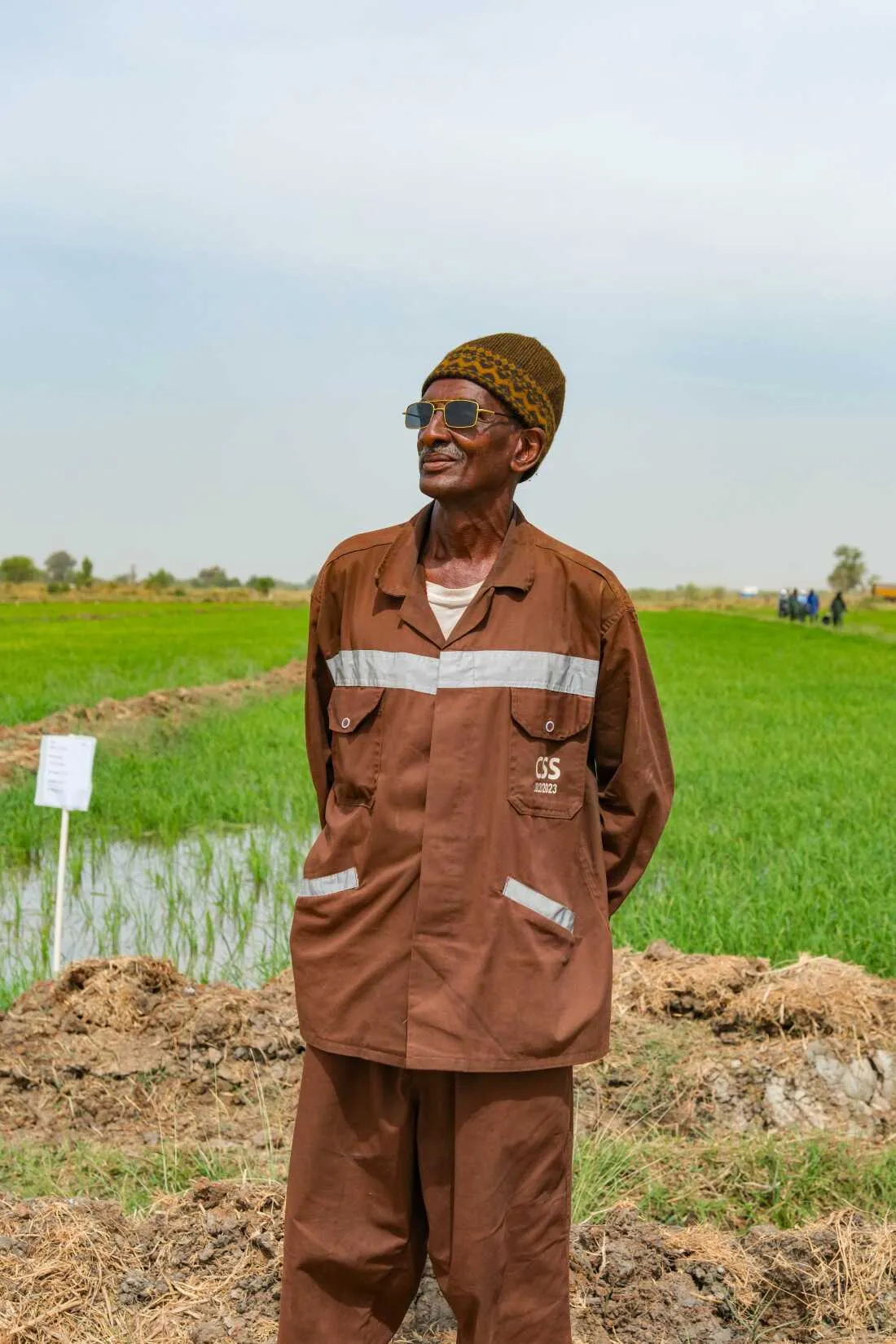
The African bonytongue fish are excellent snail eaters. Ndao hopes they will reduce snail numbers and, in turn, schistosomiasis cases.
Promising Results and Future Plans
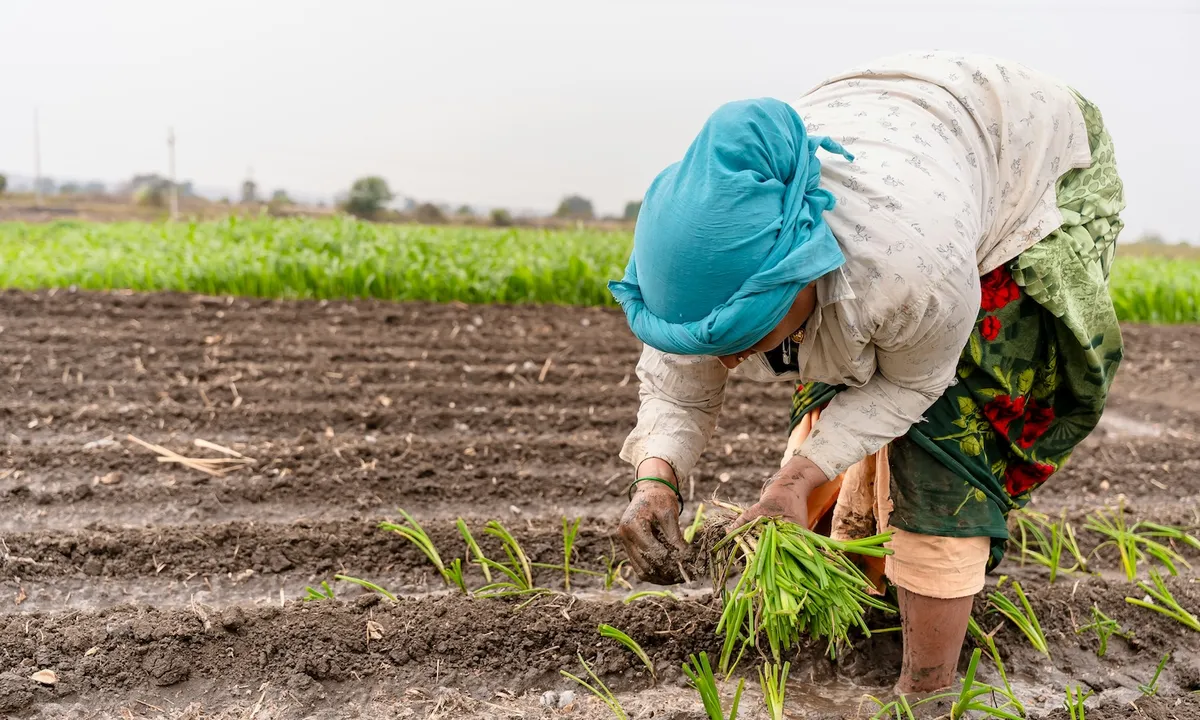
The project involves 60 fields across the region. Ndao and her team work with local farmers. They carefully release the fish into the paddies, allowing them to acclimate to the water temperature.
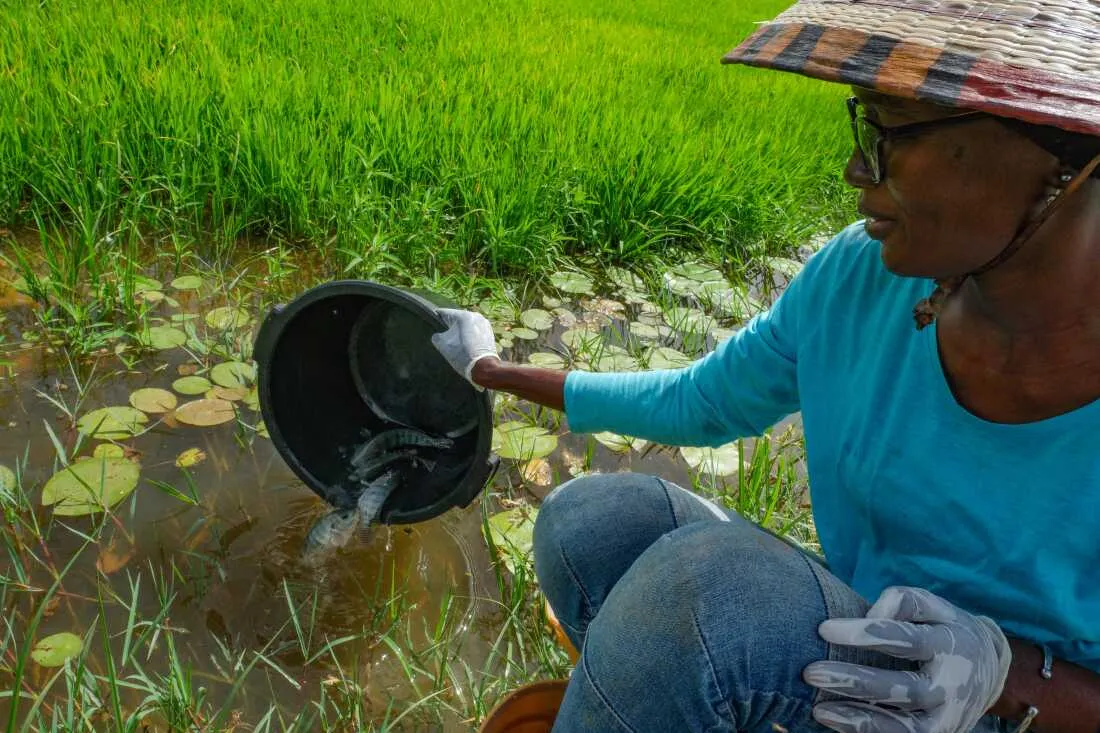
A smaller pilot study showed promising results. Adding fish to farms increased rice yields by about 25%. It also boosted farmer income and slightly reduced snail numbers.
This year, the team is expanding the study to more than double the number of fields. They will use drones to track rice growth and take detailed measurements of snail populations. They also want to understand how farmers use the harvested fish.
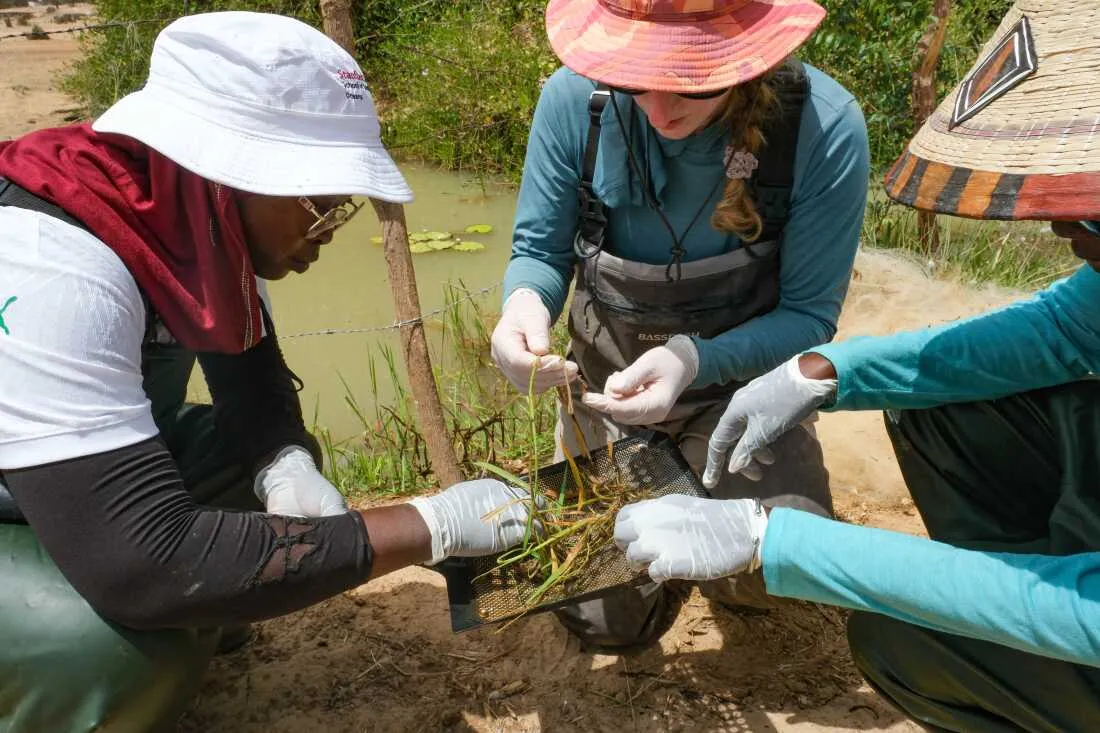
The goal is to gather enough evidence to encourage more farmers to adopt this practice. This could significantly reduce disease, improve food security, and boost farmer livelihoods.
Abou Diallo, a farmer who participated in the pilot study, saw his rice sales increase from about 60 bags to 90-95 bags per season. This extra income allowed him to renovate his house and buy sheep. He also enjoyed eating and selling the fish.
Deep Dive & References
Increased rice yields and reduced snail numbers in fish-rice co-culture - Nature Sustainability, 2026