For generations, farmers have planted their fields with a kind of hopeful uniformity, scattering seeds across acres like every square foot was created equal. Turns out, the soil has opinions. And now, AI is here to listen.
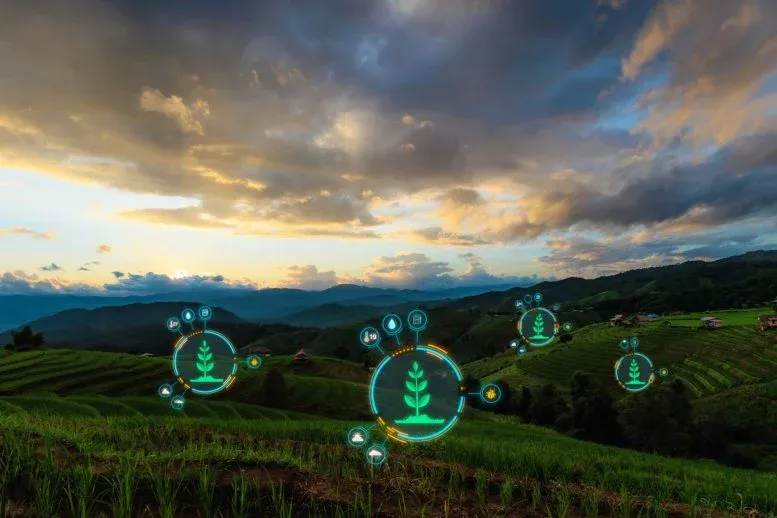
Researchers at the University of Missouri are flipping the traditional planting script, using digital tech and artificial intelligence to help farmers treat each patch of land like the unique snowflake it is. Because, as assistant professor Jasmine Neupane points out, a field might look uniform, but underneath, it's a patchwork of different soil, moisture, and nutrient needs.
The Algorithm That Knows Your Dirt
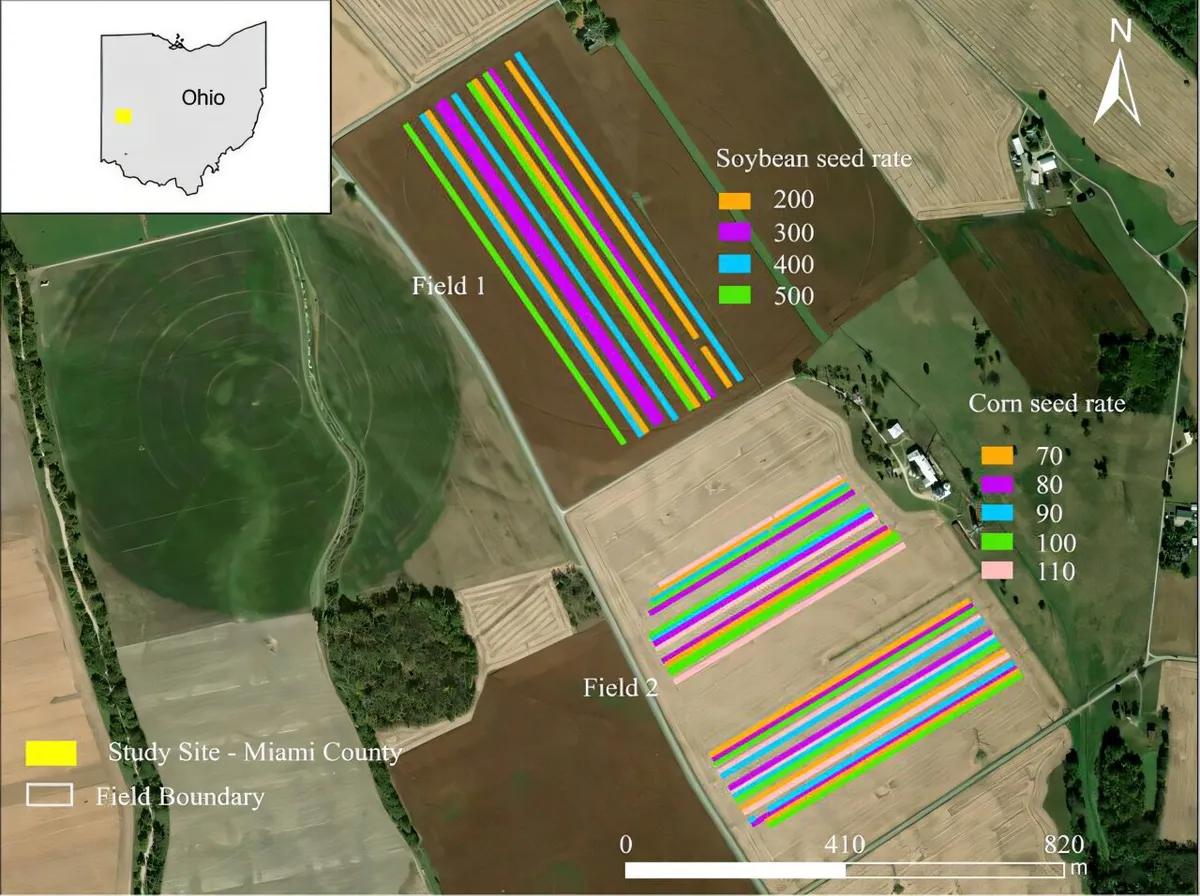
Historically, throwing more seeds at a problem often just meant higher costs, not higher yields. To fix this, Neupane and her team unleashed an AI model on data from two Ohio farms. The goal? To fine-tune something called variable-rate seeding (VRS).
We're a new kind of news feed.
Regular news is designed to drain you. We're a non-profit built to restore you. Every story we publish is scored for impact, progress, and hope.
Start Your News DetoxVRS isn't new, but the AI supercharging it is. This tech adjusts the number of seeds planted in real-time, based on a specific area's potential. The AI model, trained on everything from soil samples and elevation to years of yield records, can now whisper hyper-specific planting advice to farmers, section by section. It's like having a tiny, soil-obsessed consultant riding shotgun on the tractor.
This focused approach doesn't just promise better harvests; it's a sustainability win. By tailoring seed, fertilizer, and crop protection use, farmers can cut costs and prevent excess chemicals from washing into nearby soil and water. Because nobody wants a nutrient runoff party.
Corn Said Yes, Soybeans Are Still Thinking About It
The team tested their AI on corn and soybeans, two of the U.S.'s most popular crops. Corn, it turns out, is a pretty chill crop. It responded to the AI's suggestions with steady, predictable results, making it an ideal candidate for immediate precision farming upgrades. Corn, apparently, likes being told what to do.
Soybeans? They're a bit more complicated. These plants are adaptable, changing their growth based on the weather, which makes predicting how they'll react to seeding changes a real head-scratcher. Environmental factors like rain and temperature often had a bigger say than planting decisions. So, while corn is already on board, soybeans are still waiting for the AI to get a consistent read on their mood swings.
Neupane, whose motivation stems from watching farmers struggle with limited tech in her native Nepal, plans to expand this research. She envisions a future where digital tools make farming more efficient and accessible globally. Because understanding what your field truly needs isn't just smart farming — it's strategic farming. And that's a harvest worth celebrating.