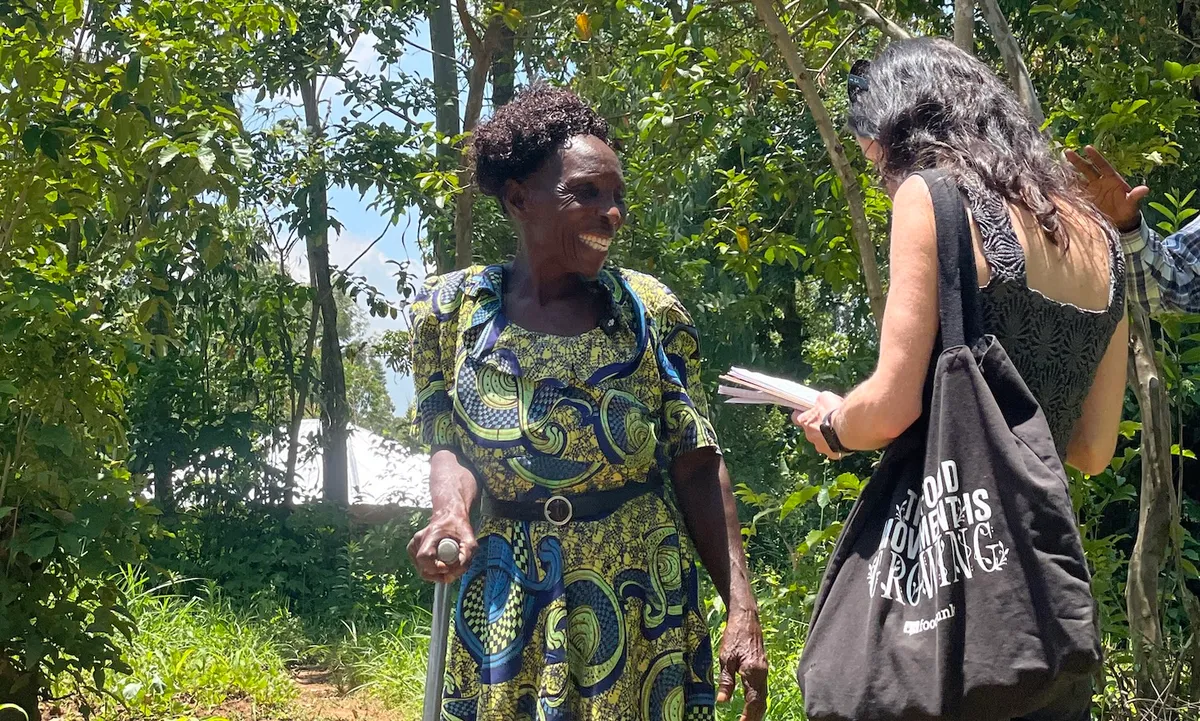
Mary Atemo, who greets visitors with a hug and a warm smile in Kisumu West County, Kenya, has spent the last 16 years proving a point. Specifically: that a simple farming method can outsmart some of agriculture's most relentless foes, and that a farmer with a crutch is every bit as capable as one without.
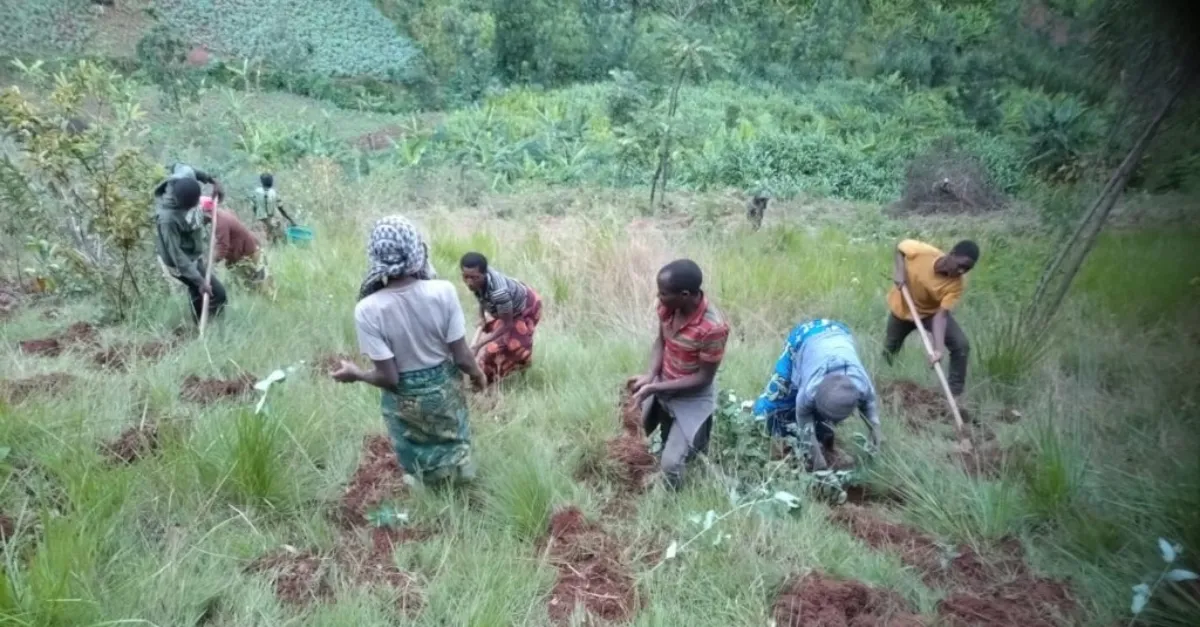
Her weapon of choice? Something called push-pull farming. It sounds like a workout, but it's actually an ingenious way to plant different crops together. Some plants act like bouncers, pushing pests away from the main crop. Others are more like magnets, pulling the pests towards them and away from the good stuff. The result? Fewer ruined crops, less pesticide, and a much happier harvest.

The Witchweed and the Borers
Back in 2010, Mary was facing down two titans of crop destruction. First, the Striga weed, also charmingly known as witchweed. This parasitic plant chokes out maize and sorghum, laying waste to up to 40% of sub-Saharan Africa's farmland. We're talking an estimated $7 billion to $13 billion in crop losses annually. In Mary's neck of the woods, it could wipe out 30% to 100% of her maize yield.
We're a new kind of news feed.
Regular news is designed to drain you. We're a non-profit built to restore you. Every story we publish is scored for impact, progress, and hope.
Start Your News DetoxThen there were the stem borers. These little larvae tunnel through plant stems like tiny, destructive architects, ruining everything in their path. It was a proper agricultural nightmare.
When researchers from icipe first approached Mary, she was understandably skeptical. "I wanted to prove if the technology was effective or not," she said. So she tried it on a small plot. Turns out, it was. "The stem borers ran away after a few days," she recalled with a laugh. Let that satisfying number sink in.
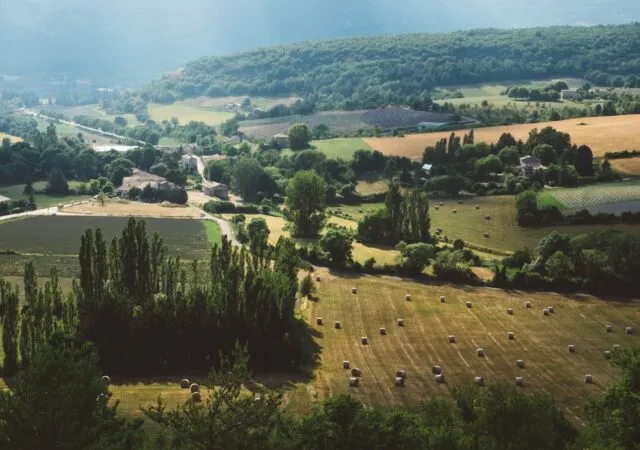
Mary navigates her farm with a crutch, but it's clear her physical mobility doesn't limit her agricultural prowess. She points out the Napier grass, a natural stem borer repellent, and the Desmodium, which not only suppresses Striga but also enriches the soil with nitrogen. Her success is a masterclass in observation, experimentation, and an open mind.
Conversations about farmers, especially women, often focus on what they lack: land, money, tech, healthy soil. All valid points, of course. But Mary's story is a powerful reminder of what they have: knowledge, experience, curiosity, and an incredible ability to adapt. Sixteen years later, she's a push-pull evangelist, sharing her wisdom with neighbors, researchers, and international visitors.
Her farm is living proof that science works best when it actually reaches the people who need it most. Mary also highlights an often-overlooked truth: farmers with disabilities are crucial. They feed families, strengthen communities, and innovate daily. For robust food systems, they need to be front and center in research, funding, and training.
As her visitors departed, Mary sent them off with more hugs and a promise: next time, she'd make ugali. Because feeding the world isn't just about science; it's about community, resilience, and a really good meal.