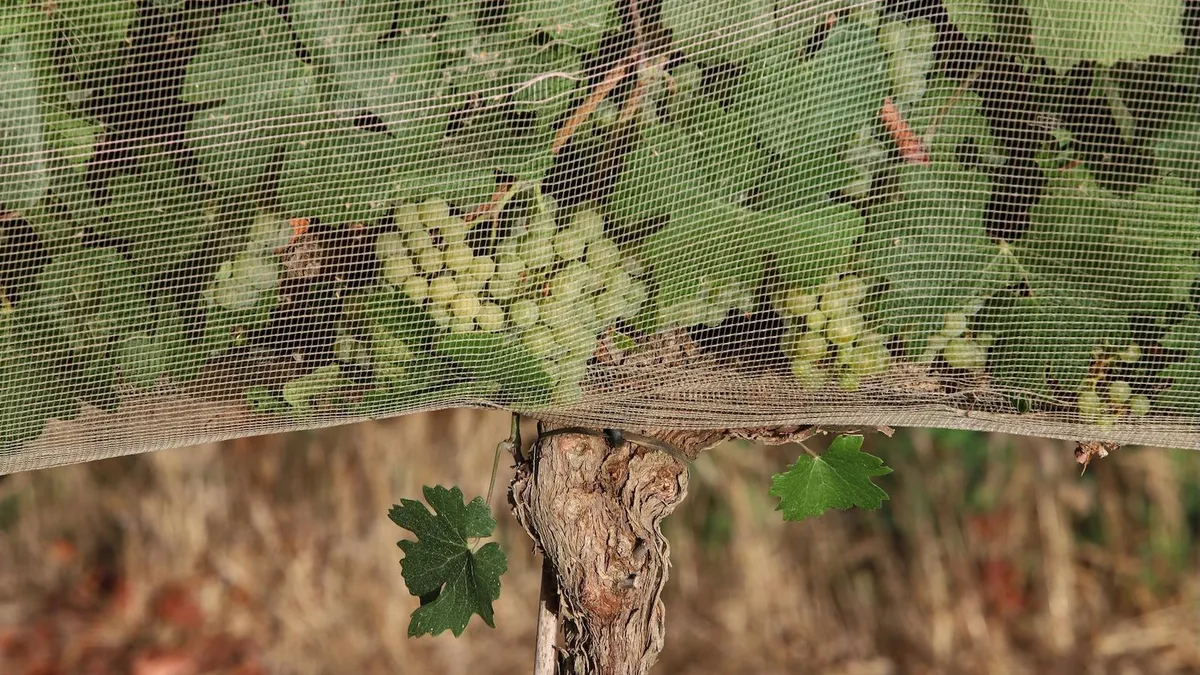
The world of wine is getting a bit… complicated. With droughts, wildfires, and rogue frosts turning vineyards into climate change battlegrounds, winemakers are facing an existential crisis. Do they pack up their vines, switch grapes, or just give their precious plants a tiny sun umbrella?
Turns out, consumers are surprisingly chill with all of the above. A new Cornell University study suggests that if winemakers adapt to a warming planet — say, by installing shade cloth, growing new heat-resistant grape varieties, or even relocating to cooler climes — people are willing to pay a premium for the resulting 'climate-resilient' wine. Even if that means your beloved Napa Valley Cabernet suddenly hails from, well, not Napa Valley.

Because apparently that's where we are now. Your favorite vintage might soon be known for its grit and resilience as much as its terroir.
We're a new kind of news feed.
Regular news is designed to drain you. We're a non-profit built to restore you. Every story we publish is scored for impact, progress, and hope.
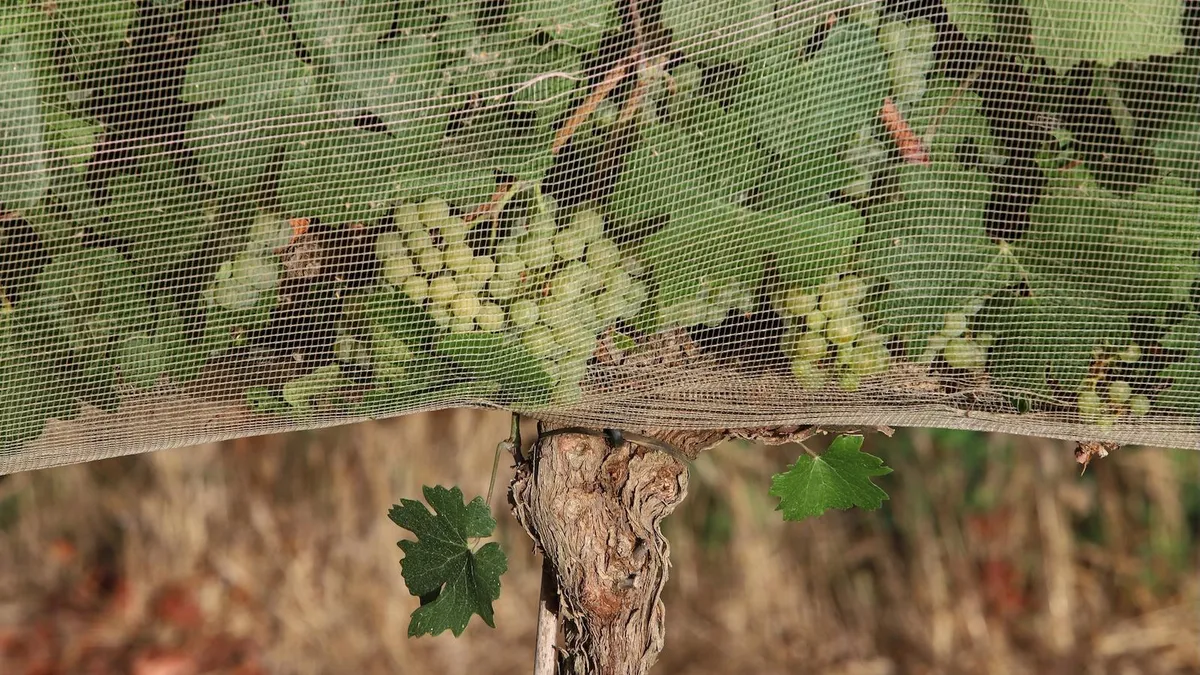
Start Your News DetoxThe study explored three adaptation strategies: simple shade cloths (the least noticeable to consumers), swapping out classic grapes for hardier varieties, or literally moving the entire operation to a cooler region. The most surprising finding? Even for the 'relocate' option, which changed the wine's famous regional identity entirely, consumers were still willing to shell out extra cash.
As Alex Susskind, a co-author and professor at Cornell, put it: "A producer can make all the changes in the world – but if they don’t resonate well with consumers, then it’s moot." Good news for growers, then, that consumers are apparently ready for a little viticultural shake-up.
Now, there are a few caveats, as there always are. The survey only included 300 participants, mostly under-40 college grads who already "care about environmental issues." So, perhaps not every wine-swilling human on Earth is ready to embrace a Lake County Cabernet over a Napa one just yet. And there might be a "novelty factor" at play — new things are exciting, until they’re just… things.
Still, the industry is buzzing. Jimena Balic, a winemaking researcher in Chile, called it "genuinely valuable work," noting that the economics of climate adaptation in wine are badly under-documented. Winemakers need to know if these pricey pivots will actually pay off, and this study suggests they just might.
Greg Jones, an Oregon-based wine climatologist, wasn't surprised by the results but emphasized the need to educate consumers. Because while people might say they'll pay more for climate-proof wine, actually understanding why that Cabernet is suddenly from somewhere else might take a bit more explaining.
But for now, it seems the future of wine might involve a lot more innovation, a few more shade cloths, and perhaps a new appreciation for grapes that can really take the heat. Cheers to that, we suppose.