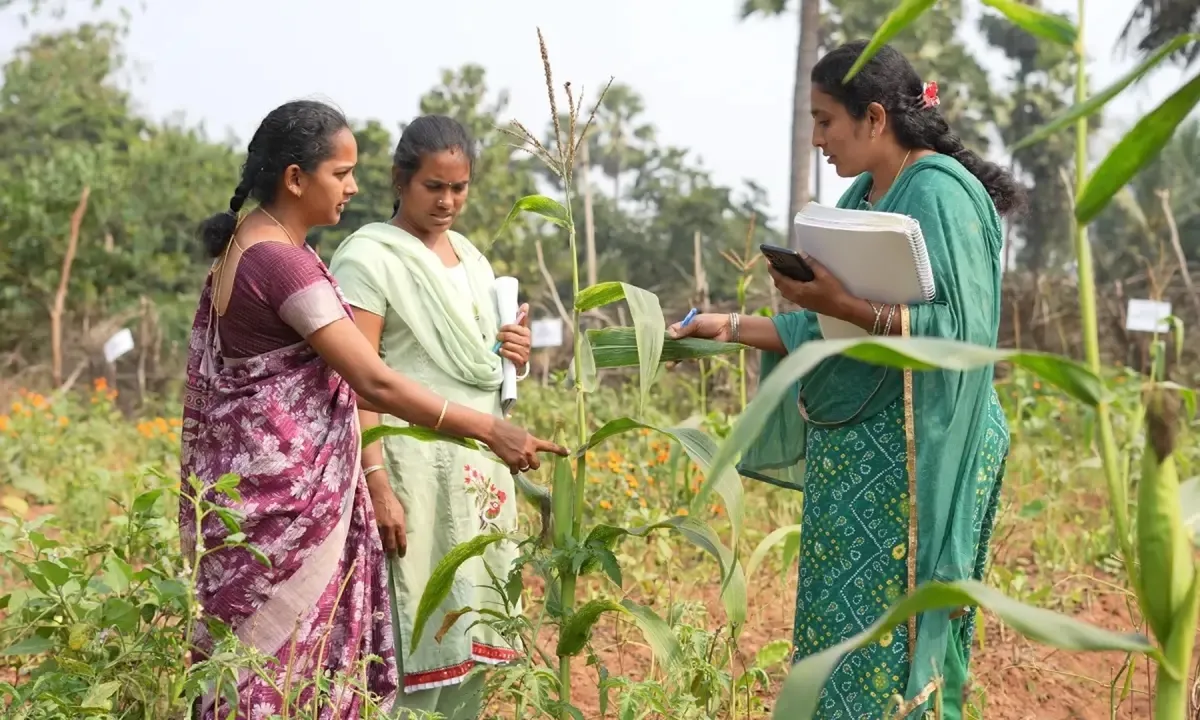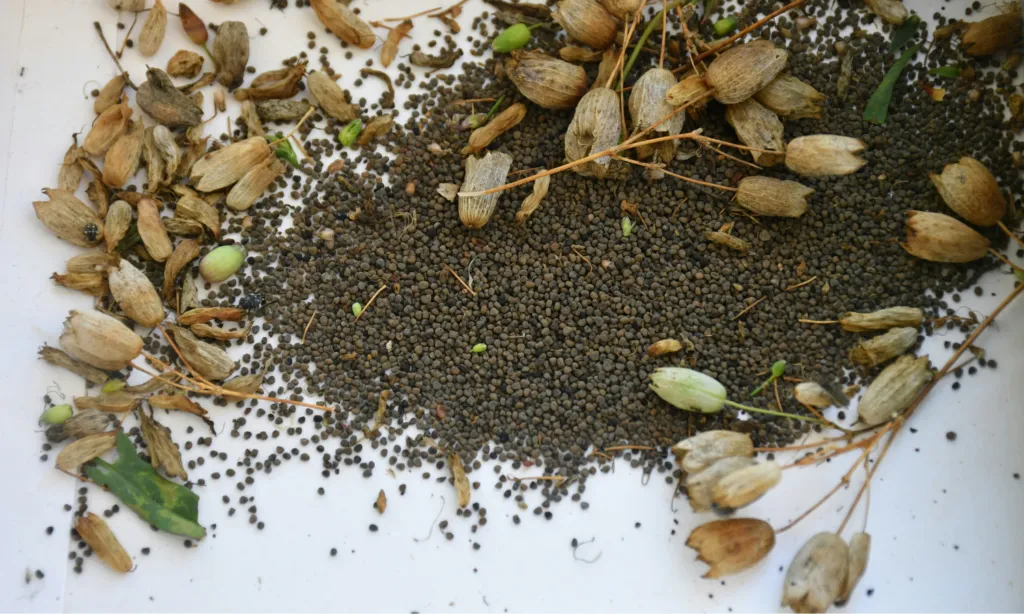
For thousands of years, the simple act of collecting seeds from a good harvest was just… how you kept eating. It was the original agricultural insurance policy, a way to keep your plate full, your traditions alive, and your crops diverse enough to shrug off whatever nature threw at them.
Then, for about a century, we collectively decided that maybe buying seeds from a catalog was easier. Because apparently, progress means outsourcing everything, even the very DNA of our dinner.
Why Your Dinner’s DNA Matters
Turns out, letting farmers pick and replant the seeds that actually thrive in their specific patch of dirt is a pretty good idea. It builds genetic diversity, creating super-plants that are less likely to get wiped out by the latest super-pest or an unexpected drought. Think of it as nature's own diversified portfolio.
We're a new kind of news feed.
Regular news is designed to drain you. We're a non-profit built to restore you. Every story we publish is scored for impact, progress, and hope.
Start Your News DetoxBut it’s not just about what’s practical; it’s about what’s sacred. Sherry Manning, CEO of Global Seed Savers, puts it plainly: "We cannot separate culture and identity from the art, act, and love of growing food." These aren't just tiny packets of potential; they're heirlooms.
Sometimes, they're even historical documents. A Holocaust survivor smuggled bean seeds out of Auschwitz. Refugees fleeing Daraa, Syria, carried eggplant and pepper seeds into exile in Jordan, replanting hope along with their vegetables. And Leah Penniman, cofounder of Soul Fire Farm, reminds us of West African women who braided seeds into their hair before being forced onto slave ships. "The seed was their most precious legacy," she writes. Let that sink in.
Humans have been at this game for at least 30,000 years, starting with wild foraging. About 12,000 years ago, we got smart and started selecting which seeds to replant. That’s how we ended up with the domesticated wheat, lentils, and rice that still fuel us today.
For most of history, farmers were the R&D department of agriculture. But as Ira Wallace of Southern Exposure Seed Exchange notes, things started to shift about 100 years ago.
The Great Seed Surrender
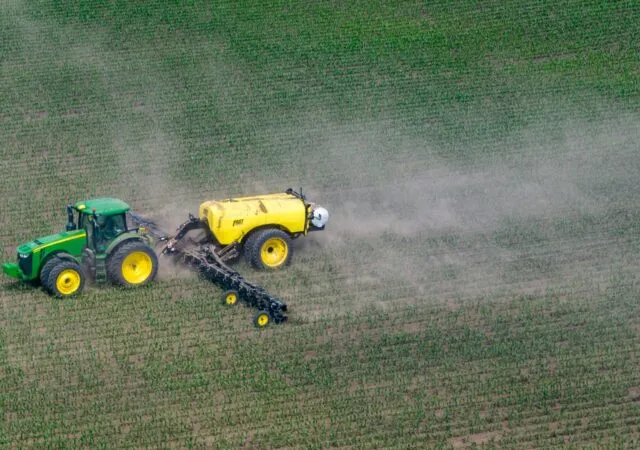
The 20th century brought bigger machines, advanced breeding, and commercial seed companies. Farming got centralized, and suddenly, buying new seeds every season seemed… modern. Farmers started opting for uniform, high-yielding varieties, which certainly looked good on paper, if not always in the field.
Then came the 1980s and 90s, an era when we decided that seeds, these ancient symbols of life and rebirth, should really be proprietary products. Patents meant companies owned the very blueprints of our food. And as these companies merged, a mere four firms ended up controlling more than half of the world's seed sales. Which, if you think about it, is both impressive and slightly terrifying.
Some argue this spurred innovation. Others point to the U.N. Food and Agriculture Organization's sobering statistic: roughly 75% of global crop genetic diversity vanished in the last century. Patent protections often forbid farmers from saving seeds, locking them into an annual purchase cycle. And surprise, surprise: consolidation has been linked to higher costs. Soybean seed prices, for example, jumped over 200% between 2000 and 2020, while consumer prices rose a comparatively modest 57%. Someone's making a killing, and it's not the farmer.
The Seed Rebellion
Good news: people are finally remembering that perhaps we shouldn't put all our food eggs in one corporate basket. Concerns about biodiversity loss, climate change, and corporate control are fueling a global resurgence in seed saving. It’s called seed sovereignty, and it means communities taking back control of their agricultural destiny.
In Kenya, the Seed Savers Network helps protect Indigenous seeds, working with small farmers to reintroduce at-risk local varieties. In the Philippines, Global Seed Savers helps establish community seed libraries. Because apparently, sharing is caring, especially when it comes to the future of food.
Other groups are literally returning seeds to their ancestral homes. Nonprofits like Seed Savers Exchange give heritage seeds back to Indigenous keepers. Native Seeds/SEARCH has saved thousands of traditional Indigenous crops, ensuring their stories continue to be told.
Seed banks are popping up everywhere, from local community efforts to the doomsday-prepper-chic Svalbard Global Seed Vault in Norway, which holds over 1.3 million samples. In India, Vrihi runs a massive folk rice seed bank. The Crop Trust is working to preserve crop diversity globally, one tiny embryo at a time.
Even governments are getting on board. In 2021, Maine became the first U.S. state to enshrine the right to save and exchange seeds in its constitution. And in 2025, Kenya’s High Court struck down parts of a law that punished farmers for saving and sharing Indigenous seeds. Because sometimes, the most radical act is simply planting what you already have. And that's a story worth sharing.