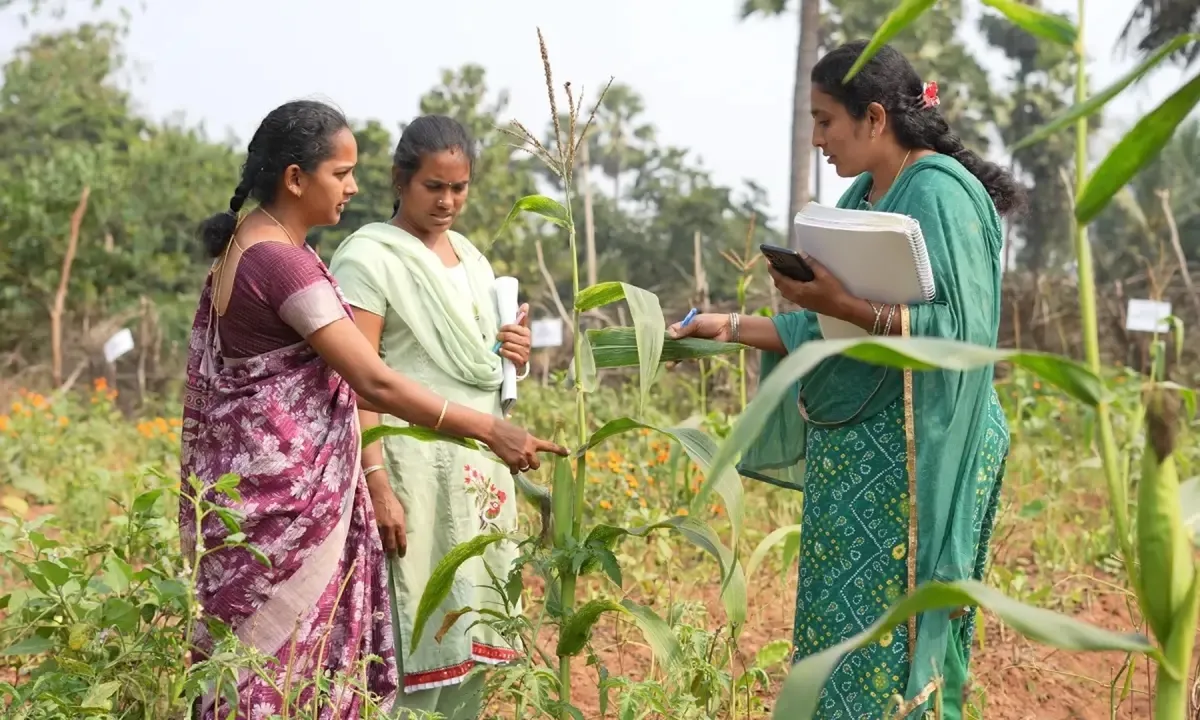
America's farmers are aging out, and starting a new farm these days is less like a pastoral dream and more like trying to win the lottery while simultaneously battling a land-gobbling developer. High costs, disappearing land, and a climate that frankly has opinions are all making it an uphill battle.
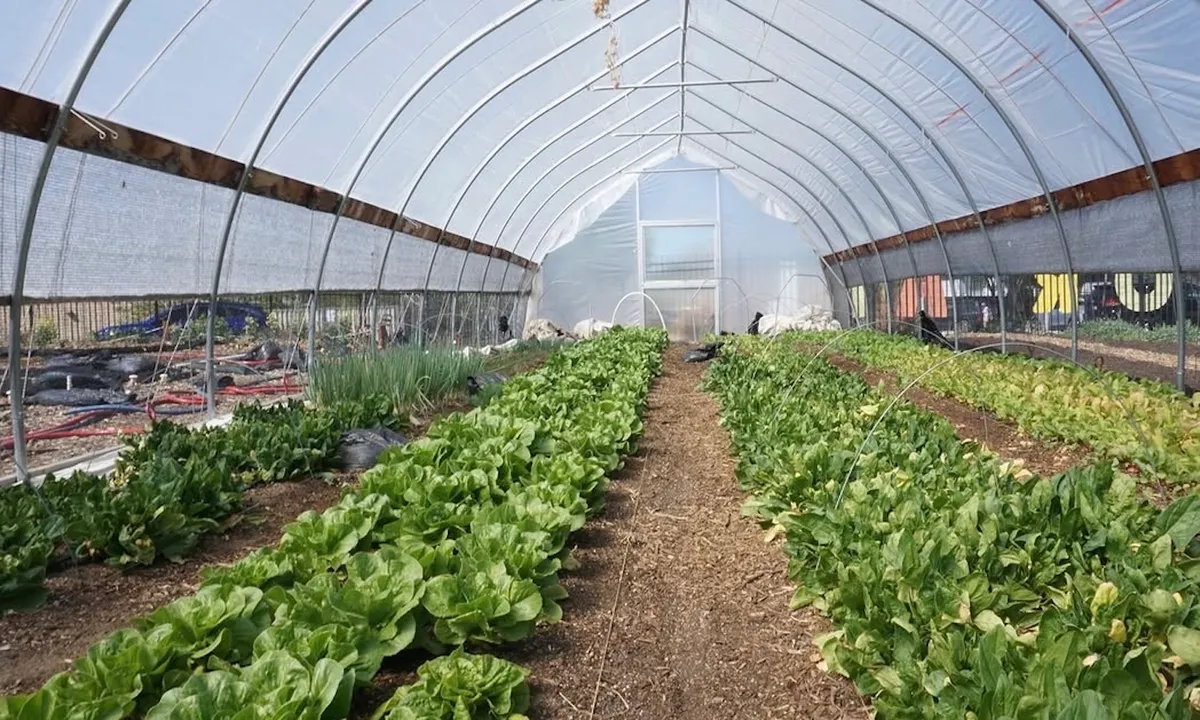
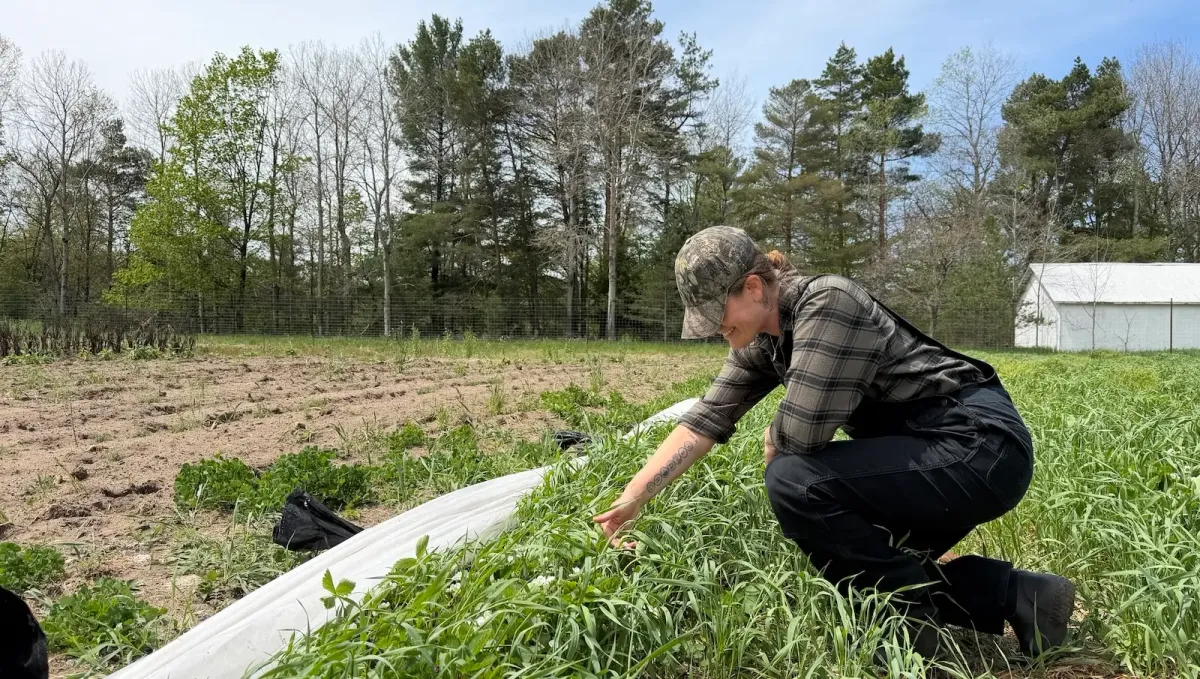
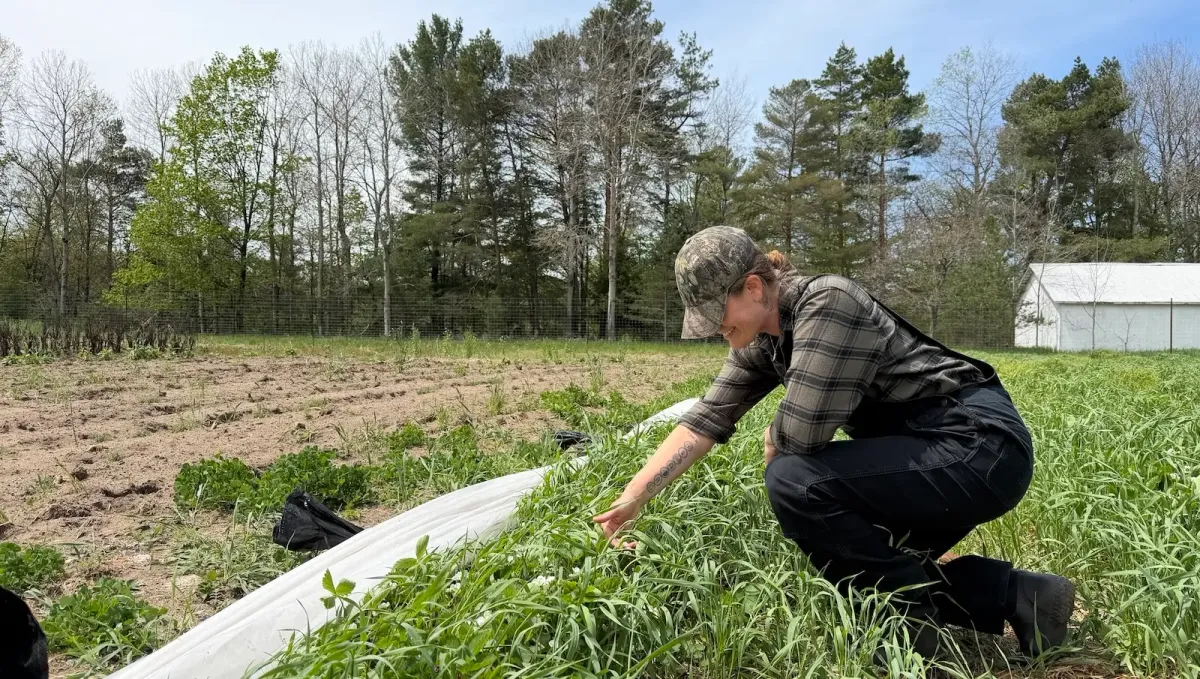
Enter Traverse City, Michigan, where the Great Lakes Incubator Farm is trying a different approach. It's a seven-month boot camp for aspiring farmers, teaching everything from pest control to tractor etiquette to, perhaps most importantly, how to actually run a farm business without immediately going broke.

Rachel Greenberg, 33, left Indianapolis for the program, citing the "sanity of knowing where your food comes from." Which, when you consider farm bankruptcies jumped 46% last year and developers have swallowed 50,000 acres of farmland in two decades, is a pretty compelling argument.
We're a new kind of news feed.
Regular news is designed to drain you. We're a non-profit built to restore you. Every story we publish is scored for impact, progress, and hope.
Start Your News DetoxLearning to Grow (and Not Go Broke)
The Great Lakes Incubator Farm operates under the Grand Traverse Conservation District, which means it’s not chasing profits. The produce goes to local residents who pre-order, and anything extra is donated to food rescue groups. It’s a low-pressure environment designed for learning, not immediate financial solvency.
Greenberg calls the incubator model "beautiful," a simple idea that someone finally applied to farming. Troy Saruna, 28, a former conservation worker, joined to understand his impact on nature, especially as climate change turns up the dial on extreme weather. He's learning regenerative agriculture, which basically means making the soil so happy it helps fight global warming.
Even seasoned farmers are getting in on the act. Shanaya Holmes, 49, who runs a farm in Alabama, is here to figure out how to grow food in a different climate and, crucially, how to tackle the mountain of paperwork that comes with farming. Because apparently, switching from outdoor labor to indoor spreadsheets is a universal struggle.
Adam Brown, the farm's manager and instructor, sees it as a "stepping stone" into any part of the food system. He should know; he got his start in a similar program 15 years ago. The Great Lakes Incubator Farm is only in its second year, one of about 100 such programs nationwide, though no one seems to have a definitive list.
The Funding Rollercoaster
This whole operation relies heavily on a nearly $700,000 federal grant from the USDA, which, like a good harvest, is temporary. Brown plans to reapply, but it’s a competitive landscape. In 2025, the USDA actually canceled $148 million in similar grants, citing executive orders on climate and diversity, which is a bit like saying you're helping farmers by taking away their seeds.
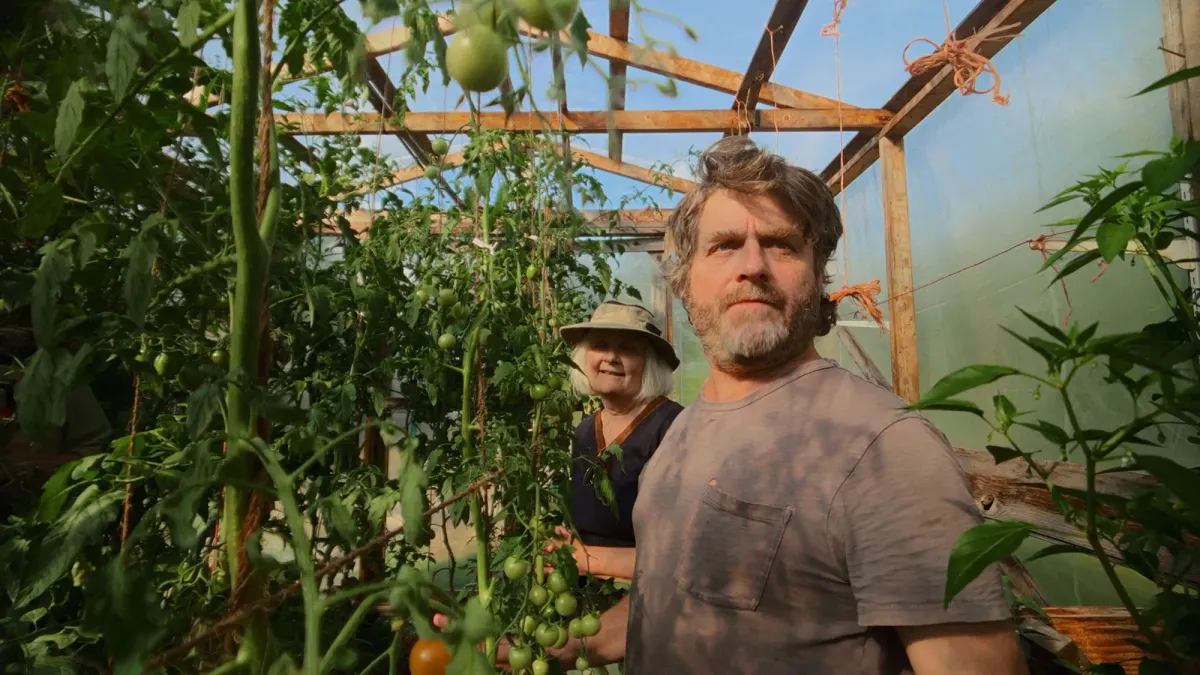
Michigan State University Extension educator Jon LaPorte notes that consistent funding is the biggest hurdle for these programs. It’s a bit ironic: programs designed to help new farmers often struggle to sustain themselves.
Despite the financial tightrope, Michigan saw a 20% jump in young farmers between 2017 and 2022. Brown teaches his students that farming, much like grant applications, has its ups and downs. The incubator farm, he says, is a "perfect, experimental type of atmosphere" — a safe space to learn, and even fail, before venturing out into the wild, wild world of agricultural entrepreneurship.