India wants to grow its own strawberry varieties. Currently, the country relies on imported plants from places like the US and Europe. This reliance means farmers face high costs and risks.
Growing Strawberries in India
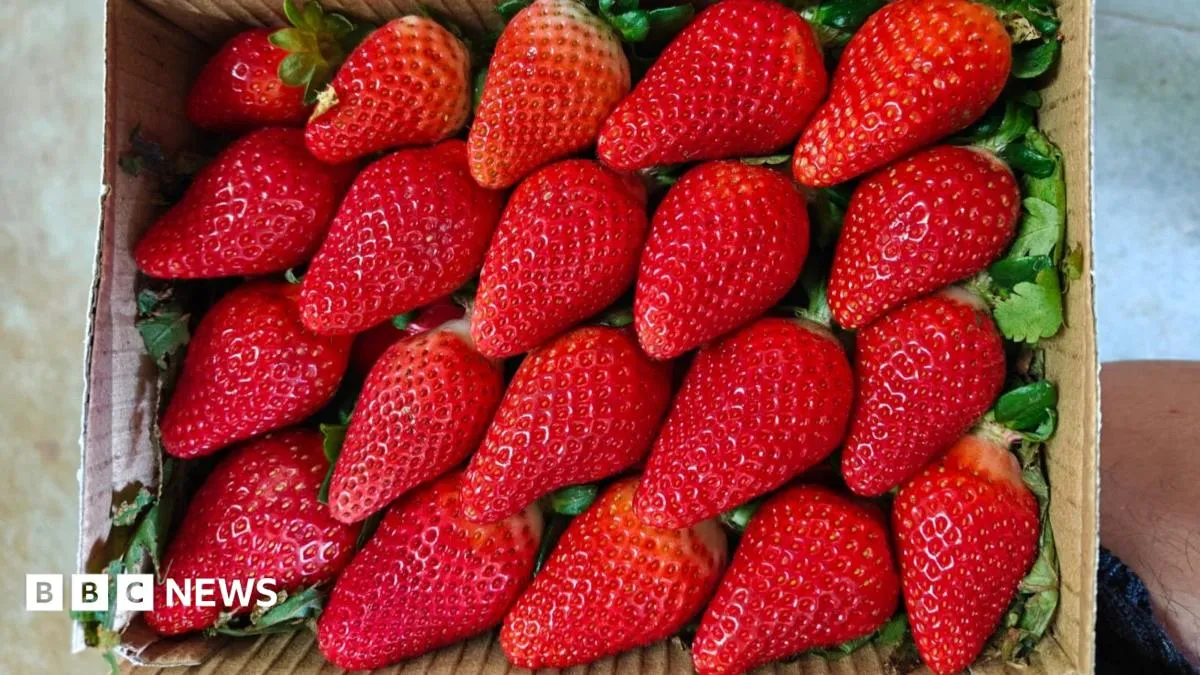
Most of India's strawberries come from Mahabaleshwar, a mountainous region in western India. About 85% of the country's strawberry farms are located there. The area's high altitude and cool weather from November to March make it ideal for growing strawberries. The soil is also light and drains well, which strawberries need.
However, strawberry farming is hard work and risky. Sheetal Danavle, who farms strawberries with her husband, explained that heavy rains can destroy an entire crop, leading to big losses. Farmers must buy new young plants each season, which costs about $2,500 for a small farm like hers. She said if the season goes well, they can double their investment, but the climate makes it a "huge gamble."
We're a new kind of news feed.
Regular news is designed to drain you. We're a non-profit built to restore you. Every story we publish is scored for impact, progress, and hope.
Start Your News DetoxThousands of farmers in Mahabaleshwar grow strawberries, making it a very profitable crop. Despite this success, India still uses strawberry varieties from California, Florida, Italy, and Spain. No one in India has created their own domestic plant yet. It can take 10 to 15 years for breeders abroad to develop new fruit varieties, and they patent these plants.
Nelson Sequeira, founder of Tara Farms Fresh, explained that they import "mother plants" from foreign breeders. These plants go through government quarantine, then are planted in a nursery. There, each mother plant produces many "daughter plants" that are sold to farmers. One mother plant can yield 20 to 40 daughter plants.
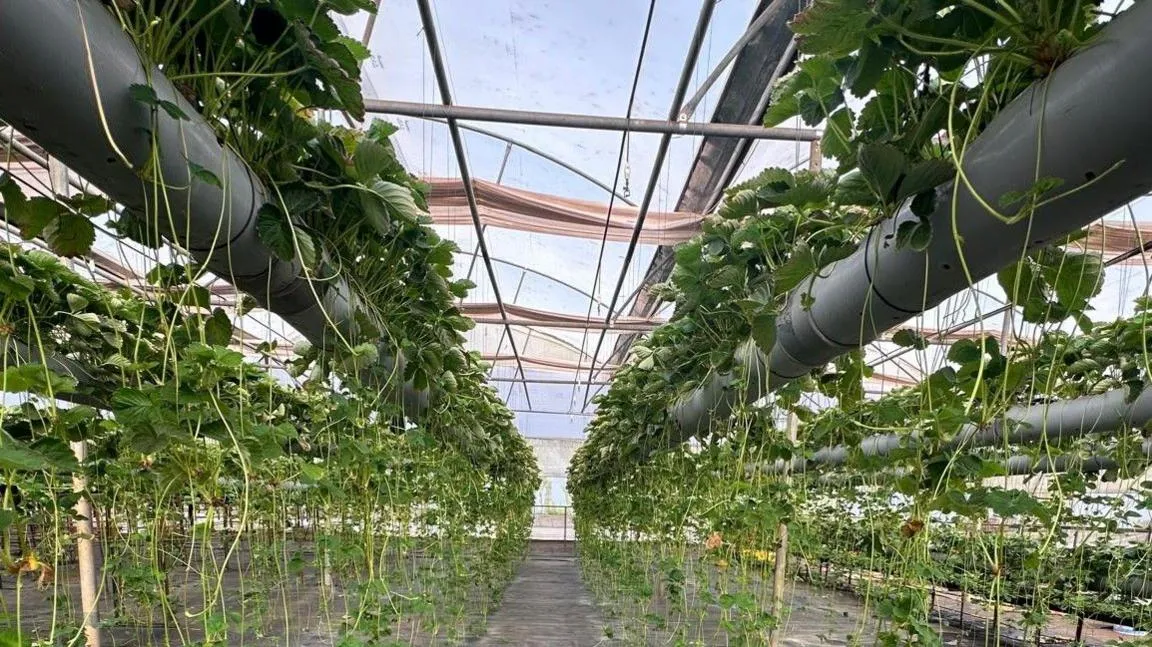
Sequeira's farm uses a high-tech method. Plants grow in large industrial pipes filled with coco-peat, a material made from coconut husks, instead of soil. A precise drip-irrigation and fogging system controls the environment.
Developing New Varieties and Technologies
Researchers at Mahatma Phule Krishi Vidyapeeth (MPKV), an agricultural university, are working to change India's reliance on foreign varieties. They have partnered with the Bhabha Atomic Research Centre (BARC) on a breeding project. They use low-dose gamma irradiation on plant tissues to create genetic changes.
Dr. Darshan Shashank Kadam, an assistant professor at MPKV, said their goal is to develop India's first native strawberry. This new variety would be resistant to India's heatwaves and have the large size and firm texture of foreign varieties. He noted that this process could take 10 to 15 years. In the meantime, they are helping farmers by creating scientific guidelines for planting, fertilizing, and using growth regulators specific to Mahabaleshwar.
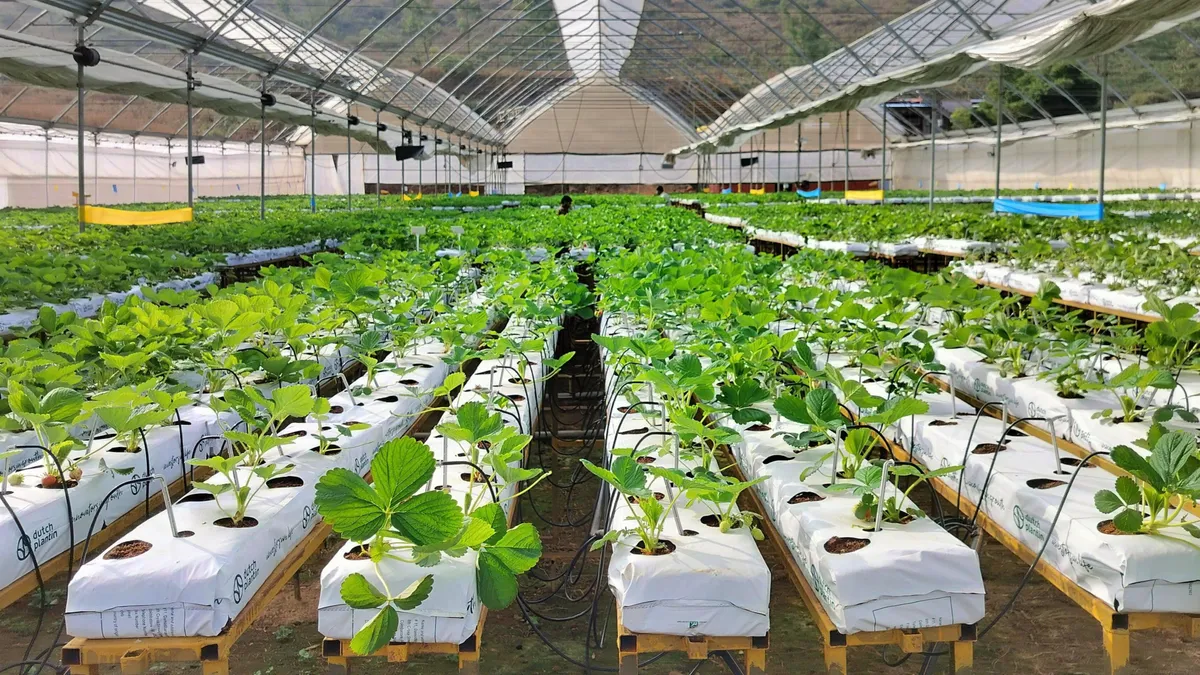
Larger farms are also investing in new technology. Ketan Yashwant Sodha, CEO of Berry Fresh Agrotech, switched from traditional open-field farming to hydroponics in 2022. He was tired of losing crops to rain during peak season. Hydroponics is a covered farming method that doesn't use soil and carefully controls water, nutrients, light, and temperature.
Sodha faced many challenges and losses when he first started with hydroponics. He explained that hydroponics is unforgiving, and mistakes can quickly lead to disaster. However, he learned from these mistakes. His team has tested 19 different strawberry varieties, including rare Japanese ones. They are also testing a specific Dutch variety this season.
Sodha found that giving each plant only 750ml of water per day produces sweeter, more flavorful fruits. His team also regularly tests plant leaves to measure nutrient uptake, ensuring the plants get the exact nutrients they need. By using a semi-open polyhouse, they can grow strawberries all year, making it a non-seasonal fruit for them. Sodha plans to expand to a five-acre facility with 200,000 plants.
Krishan Bhilare, whose family has farmed strawberries for generations, remembers when the first American varieties arrived in 1992. He was amazed by their size. Bhilare is part of a Farmer Producer Organisation (FPO) that uses AI-powered weather towers. These towers predict rain, helping farmers avoid spraying expensive chemicals just before they get washed away.
The FPO is also building vertical towers where strawberries can grow in five layers using coco-peat. This method allows them to grow 125,000 plants per acre, five times more than traditional methods, on the same amount of land.
While these investments are great for larger farms, they are often too expensive or risky for small farmers. Sheetal Danavle and her husband tried hydroponics in 2017, and it was very successful. They grew organic fruits, saved labor, and reduced costs. However, a massive cyclone destroyed their setup, and they couldn't afford to rebuild it.
Sheetal returned to traditional farming but added a new approach. She uses social media to post videos about growing strawberries and invites tourists to visit her farm. Visitors can learn about farming and pick their own fruit. This helps her sell directly to customers, cutting out middlemen and increasing her profits. She has become both an "influencer and entrepreneur."