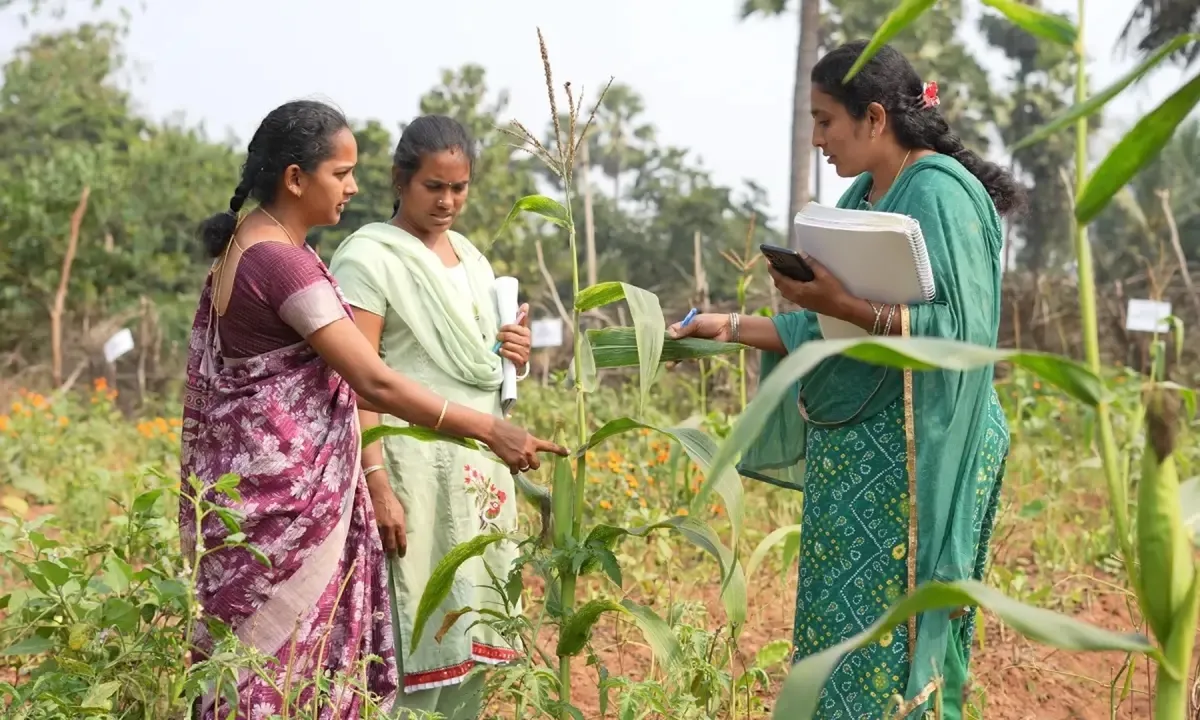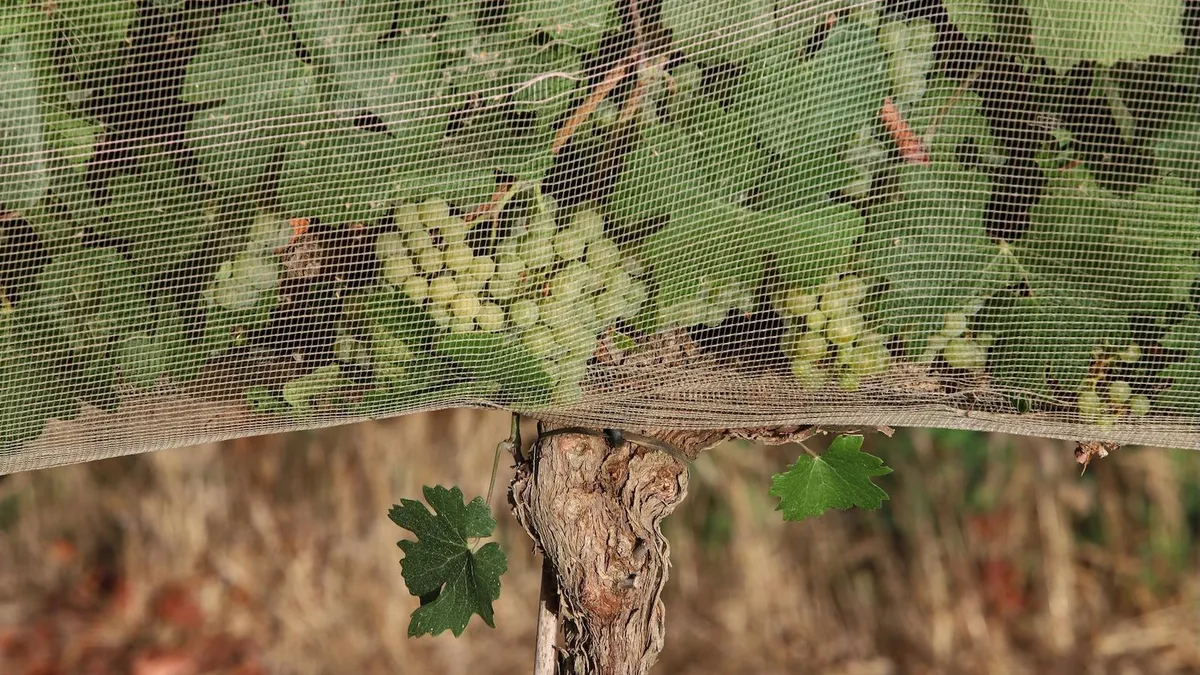
Meteorologists are warning that this year's El Niño could be one of the strongest ever. As extreme weather becomes more common, the International Fund for Agricultural Development (IFAD) is helping farmers prepare.
Preparing for El Niño's Impact
El Niño happens every two to seven years. It causes major problems worldwide, from droughts to heavy rains. Sara Mbago-Bhunu, a director at IFAD, says past El Niños have "left economies devastated."

IFAD works with governments and partners to put prevention plans in place before a crisis. They use seasonal climate forecasts and early warning systems. These tools help them plan, find vulnerable areas, and get ready.
We're a new kind of news feed.
Regular news is designed to drain you. We're a non-profit built to restore you. Every story we publish is scored for impact, progress, and hope.
Start Your News DetoxMbago-Bhunu stresses that all regions should prepare. El Niño affects different places in different ways. Mapping helps IFAD understand these impacts and how to adapt.
For example, Ethiopia, northern Uganda, Zambia, and Mozambique might get less rain during their main farming season. These areas need more ways to capture water. Meanwhile, Tanzania and coastal Kenya could see heavier-than-average rainfall. They need flood-resistant roads, warehouses, and markets.

Investing in Long-Term Solutions
Governments across Africa understand the need for stronger systems. This helps them not only with El Niño but also with the wider effects of climate change.
Mbago-Bhunu explains that governments know they must invest in water sources and soil health. These investments might not show immediate results but will pay off in the future. They are essential for feeding populations.
However, Africa receives only a small part of global funding for climate adaptation. Governments need to find cheaper ways to fund these long-term solutions themselves.

Mbago-Bhunu says this approach works. She points to the 2023 El Niño, which affected over 1 million households in Zambia. Providing aid and recovery cost about US$900 per household. This was much more expensive than preventative measures would have been.
"Investing in resilience is cheaper than responding to disaster," she notes.