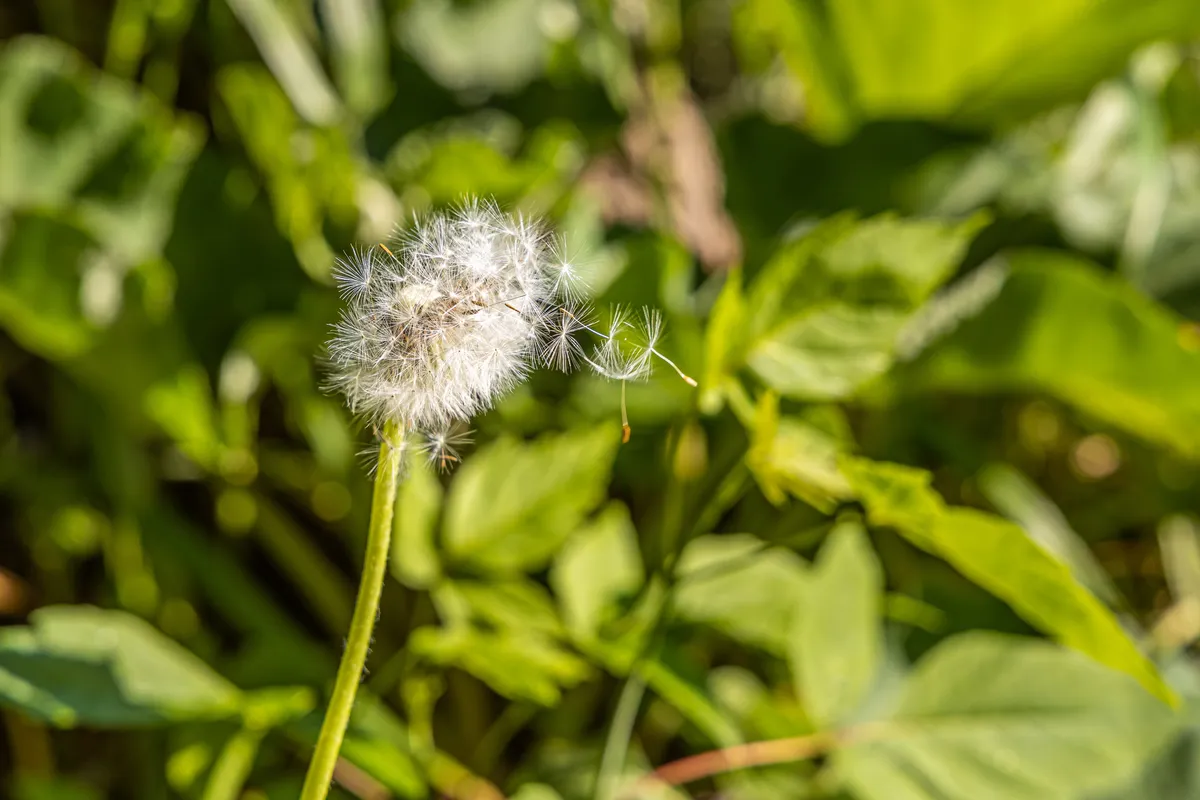
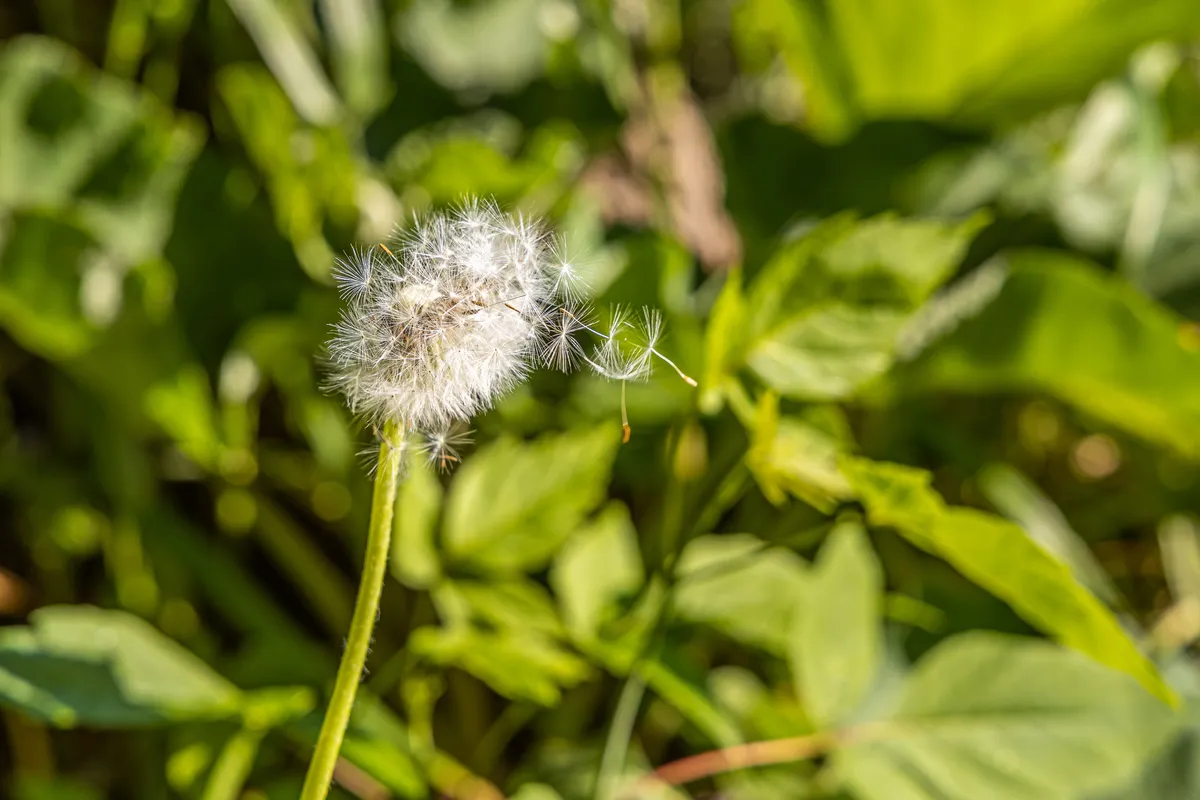
You know that one dandelion? The one you let slide in August? Yeah, that single, unassuming little menace just dropped thousands of seeds, each one a tiny time bomb waiting to erupt in your garden for years to come. Let that satisfying number sink in.
Most of us treat the end of summer like a garden's last call, a time to kick back and let nature take its course. But according to Manjot Kaur Sidhu, a horticulture professor at the University of Maine, that's precisely when you should be going full Terminator on your weeds. Because what you do now will decide if your spring garden is a verdant paradise or a battleground.
Know Your Enemy (and How to Annihilate It)
Weeds aren't all created equal. Some are one-hit wonders, some are horror movie villains that just keep coming back.
We're a new kind of news feed.
Regular news is designed to drain you. We're a non-profit built to restore you. Every story we publish is scored for impact, progress, and hope.
Start Your News DetoxAnnual weeds (think crabgrass, pigweed) are the drama queens of the garden. They live fast, die young (with the first hard frost), and leave behind a bajillion seeds that will haunt your future. Those seeds can chill in the soil for years before deciding to make a grand entrance.
Perennial weeds (your dandelions, your thistles) are the true survivors. Frost? Pfft. They just tuck into their deep root systems, sip on stored energy, and pop back up next spring like they never left. Pulling just the top of a dandelion is like trying to stop a supervillain by cutting off their hat.

Annuals: Operation Seed-Head Decapitation
Your mission, should you choose to accept it, is to stop these leafy fiends from seeding. If time is tight, at least get those seed heads and flowers before they go full confetti cannon. Those finger-like grass spikes or dense seed clusters? Snip 'em. You're preventing a future invasion.
For a more satisfying kill, take a hoe to them right at or just below the soil line. This severs the plant's connection to life without disturbing deeper soil, which is crucial. Digging too deep is like opening Pandora's Box — you'll just unearth dormant seeds waiting for their moment in the sun.
Perennials: Deep Root Destruction
These guys require commitment. You need the entire root system. Pull or dig them out when the soil is moist; it makes extraction much less of a wrestling match. And if you pull them, get them out of the garden bed immediately. Some, like bindweed, are basically zombies and can re-root faster than you can say "oops" if left on damp soil.

Oh, and clean your tools. Seriously. Quackgrass root pieces are tiny saboteurs, ready to start a new colony in your pristine soil. Because apparently, that's where we are now.
If you're resorting to herbicides, autumn is your power window. Perennial weeds are busy shuttling carbs down to their roots for winter storage. An herbicide applied now hitches a ride on that express train, going straight to the plant's life source. Spring applications just hit the visible bits, leaving the real threat underground to plot its next move.
Disposal & The Bare Soil Problem
Don't just toss seedy weeds or perennial roots into your backyard compost. Most home piles don't get hot enough to kill them, meaning you're just creating a future weed farm. Brilliant.
Instead, seal them in a dark plastic bag, leave it in direct sunlight for a few weeks, and let the heat do the dirty work. Then, and only then, are they safe for disposal or a commercial composting facility. Because those places have actual standards.
Even after all that, some weeds are just built different. Chickweed and henbit, for example, sprout in late summer, hunker down all winter, and flower bright and early in spring. Look for their tiny seedlings in September and October and rake 'em out while they're still manageable. Or, if you're feeling fancy, corn gluten meal in late August can stop those winter annual seeds before they even think about it.
Finally, bare soil is basically a "Vacancy" sign for weeds. After harvesting, cover those empty beds! A two-to-three-inch layer of organic mulch (or, even better, free fallen autumn leaves) will smother dormant seeds and break down into glorious soil by spring. Or, for your veggie patch, plant a cover crop like field peas. They hold the soil, prevent erosion, and give weeds an eviction notice.
Sure, the fall garden work doesn't offer the instant gratification of a ripe tomato or a blooming rose. There's no harvest, no fanfare. But that perfectly manicured, weed-free spring garden you're dreaming of? It's being built right now, in the quiet, slightly chilly weeks of autumn. Your future self will thank you.