Fertilizer is vital for feeding the world, but making it uses a lot of energy and creates greenhouse gas emissions. New research shows that microbes could offer a solution.
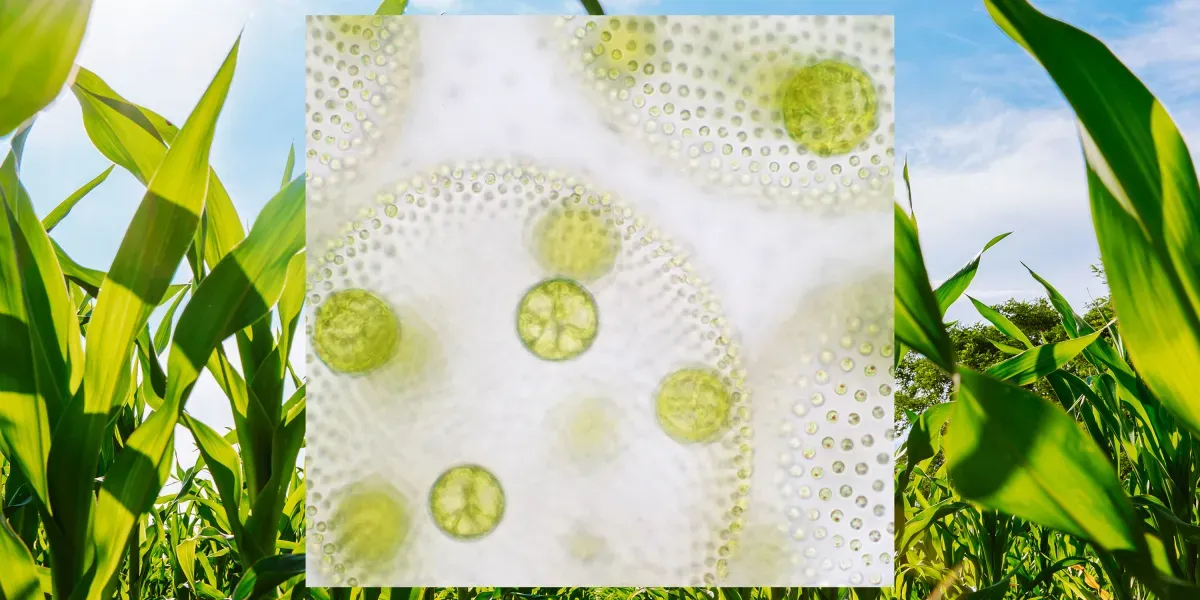
Scientists are finding that adding helpful microbes to the soil around plant roots can provide essential nitrogen. This could reduce the need for chemical fertilizers, which cause about 2% of global greenhouse gas emissions. It could also lower costs for farmers, especially with rising energy and fertilizer prices.
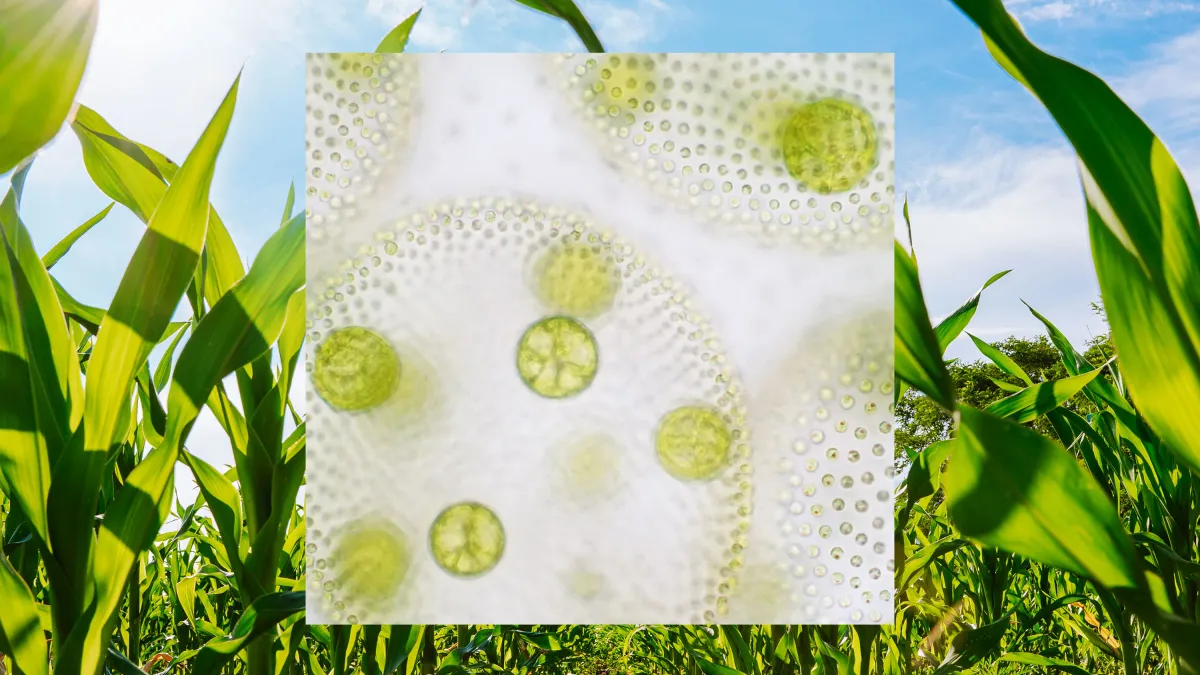
Engineering Microbes for Nitrogen
Humans have used natural fertilizers like manure for thousands of years. Companies have also worked on microbial fertilizers, some using genetic engineering. The challenge is making microbes that can reliably provide nitrogen to crops while also growing well themselves.
We're a new kind of news feed.
Regular news is designed to drain you. We're a non-profit built to restore you. Every story we publish is scored for impact, progress, and hope.
Start Your News DetoxA startup called Switch Bioworks is trying a new method. Their microbes first establish healthy colonies. Then, they switch into nitrogen-producing mode. Tim Schnabel, the company's CEO, says, "We have to reinvent fertilizer."
Air is nearly 80% nitrogen, but plants can't use it directly. They need "fixed nitrogen," which is converted into compounds like ammonia. In nature, microbes do this nitrogen fixation. Some plants, like legumes, even host nitrogen-fixing bacteria in their roots. Synthetic fertilizer uses an industrial process called Haber-Bosch to make ammonia from natural gas.

Biological fertilizers aim to replace some synthetic fertilizer with microbes that fix nitrogen. However, making and releasing ammonia uses a lot of energy for microbes. This can stop them from growing well.
Schnabel explains that you need a certain number of microbes around the roots. It's too hard to put all those microbes on the plant directly. So, a smaller number of microbes must grow and divide to build up the population.
Switch Bioworks is using a "genetic switch." This is a part of DNA that turns genes on and off. In this case, it activates genes that make and release ammonia from the cell. The company is exploring ways to trigger this change. The main idea is for microbes to react to soil nitrogen levels. Once nitrogen drops low enough, they start producing ammonia.
Dan Blaustein-Rejto, director of food and agriculture at the Breakthrough Institute, notes that fixing nitrogen is very energy-intensive for microbes. They want to use that nitrogen for their own growth and survival. Genetic switches could help microbes grow and then fertilize crops.
Field Trials and Future Potential
Switch is currently testing its product in six US states. A commercial product is still two to three years away. The company is focusing on corn, which is the most-planted crop in the US.
Schnabel says it's too early to know exactly how well it works in the field. They will harvest plants in late October or early November. As of August, some corn treated with Switch microbes already looked healthier.
Blaustein-Rejto believes Switch's products could greatly help clean up agriculture. He says these products have "a lot of potential" to help farmers reduce emissions. This could be a key solution for a sector that is hard to make greener.
Lab results have been good, but field trials are crucial to prove a product works. Blaustein-Rejto also stresses the importance of independent trials. Company data and independent findings can sometimes be very different.
Pivot Bio is another company bringing microbes to farms. Since 2011, its products have been used on millions of acres. They offer products added during planting or applied to seeds beforehand. Pivot has also expanded beyond corn to include cotton, wheat, sorghum, and barley.
Travis Frey, Pivot's chief technology officer, says their initial challenge was getting microbes to produce nitrogen consistently. Now, they are working on making stronger, more robust colonies in any environment.
Frey notes that farmers are facing a "double whammy" with rising fertilizer costs and falling crop prices. He sees this as a big chance for Pivot and others in the industry. He believes the next decade will see biological products become mainstream on farms.
John Havlin, a professor at North Carolina State University, says fertilizer and seeds are major costs for farmers. Reducing reliance on synthetic fertilizers could greatly help agriculture. He is "very excited" about these products and believes they will help reduce nitrogen use.
However, there's a limit to how much fertilizer microbes can replace. Switch's models suggest a maximum of about 50%. Their first product will likely replace about 25% of synthetic fertilizer. Pivot says its products can replace about one-quarter of current fertilizer use.
This means synthetic fertilizer will still be needed for a long time. Blaustein-Rejto says there's no clear plan to replace it entirely soon. Therefore, other ways to cut emissions and nitrogen pollution from farms remain very important.