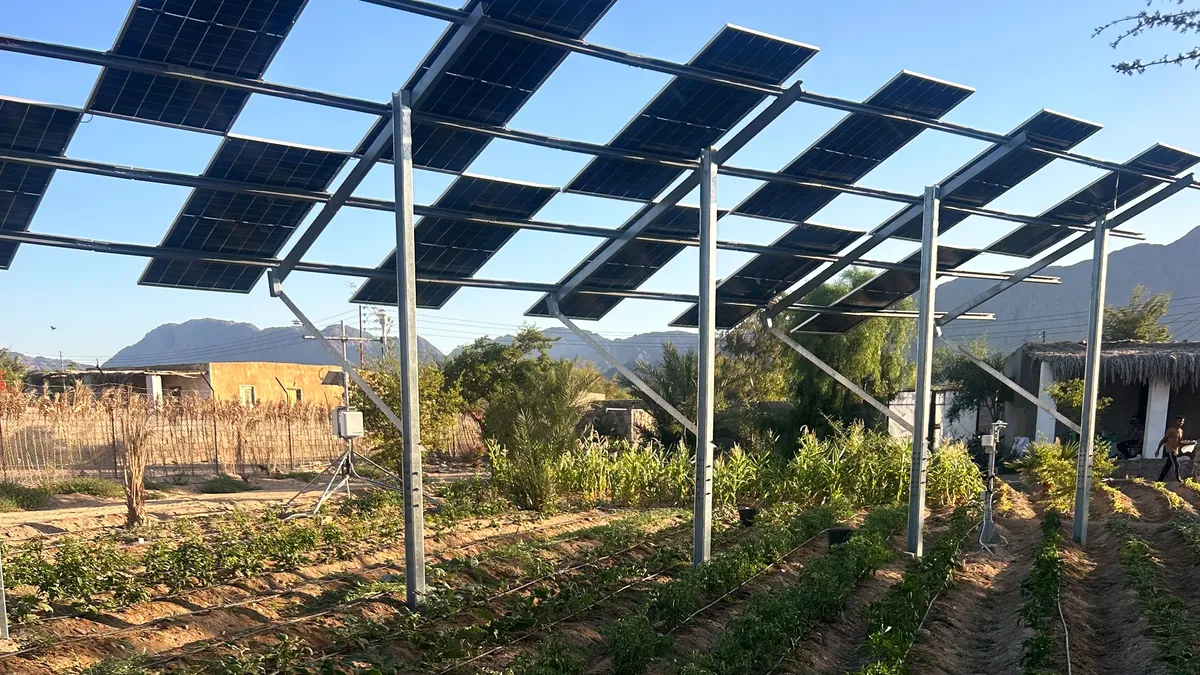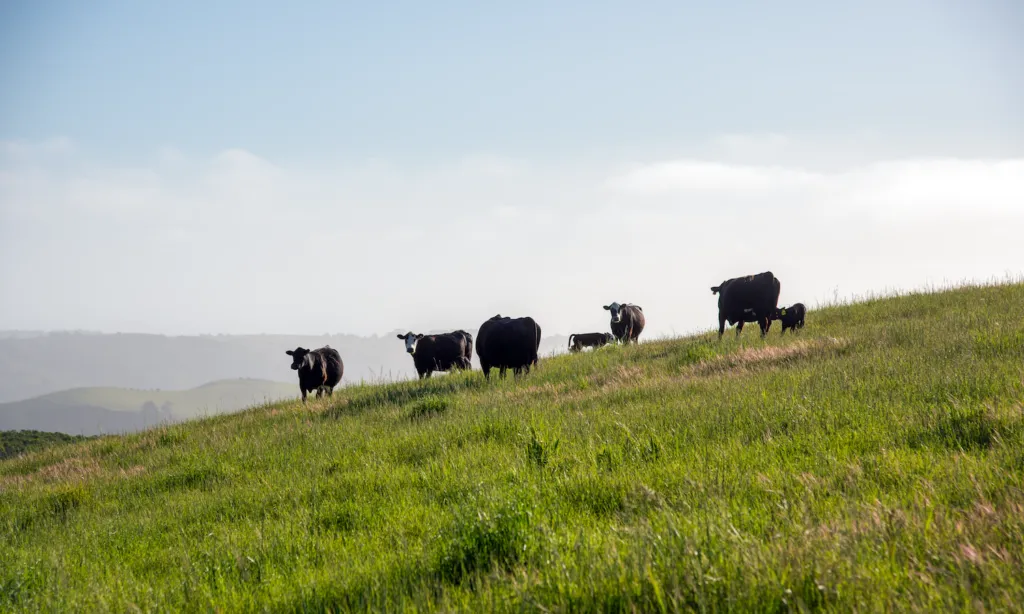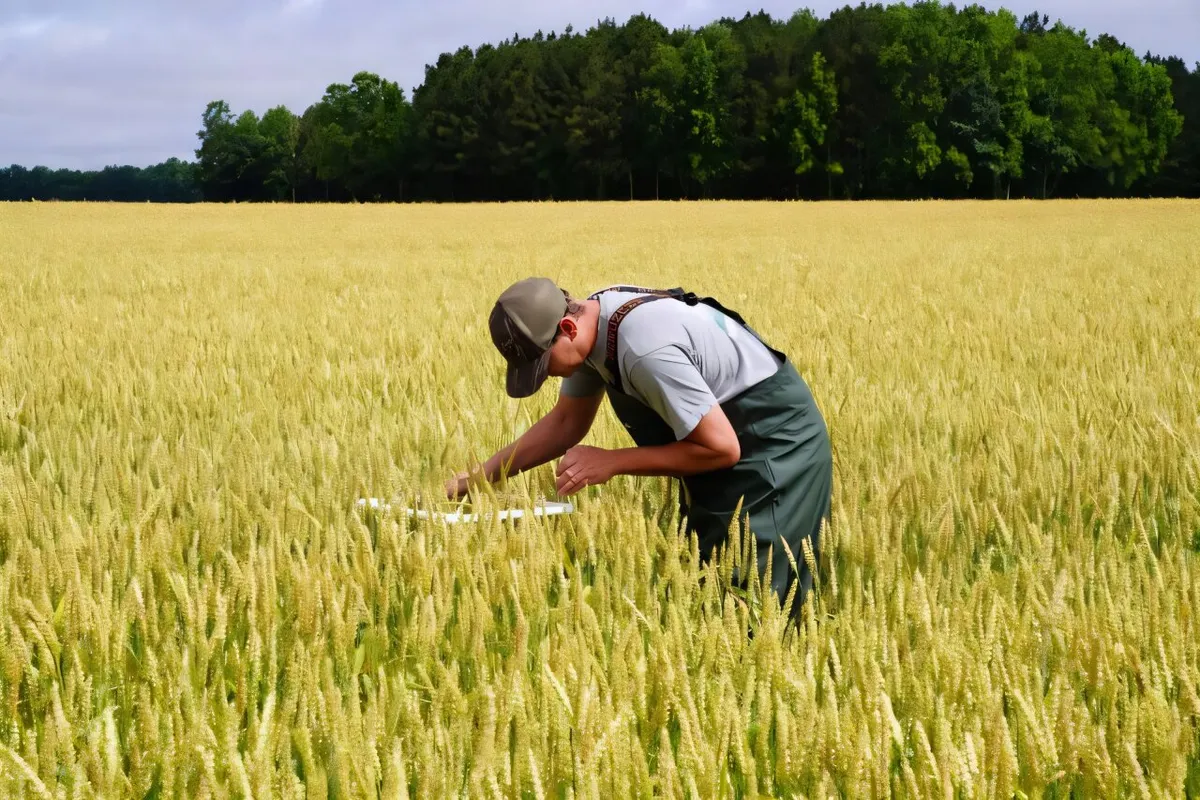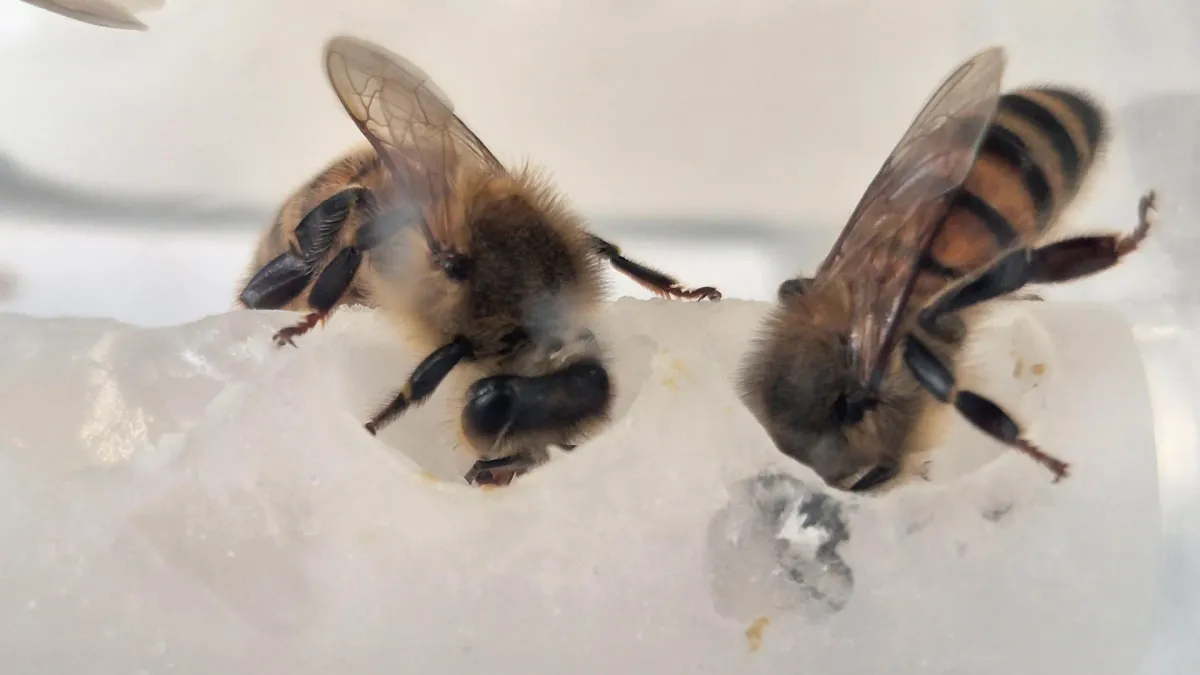
Turns out, even farming needs a glow-up. The Food Security Leadership Council (FSLC) is calling for a cool $100 billion investment in agricultural research and development over the next decade. The goal? To make U.S. food systems stronger, farmers richer, and America a global leader in, well, growing stuff. Because apparently, we've been letting our garden grow a bit wild.
This isn't just about bigger tomatoes. American agriculture is currently wrestling with soil that's seen better days, water shortages, and climate change that keeps throwing curveballs. Plus, we're relying on everyone else for essentials like fertilizer. Which, if you think about it, is a bit like a chef needing to import salt for every dish.
The Great Farm Slowdown
Here's a fun fact that isn't so fun: U.S. agricultural productivity growth has been chilling out. Back in 1960, America was responsible for over 20% of the world's public agricultural R&D spending. By 2011, that number had plummeted to 11.5%. Meanwhile, China decided to double down, now spending roughly twice what the U.S. does on farm research. Someone's been taking notes.
We're a new kind of news feed.
Regular news is designed to drain you. We're a non-profit built to restore you. Every story we publish is scored for impact, progress, and hope.
Start Your News DetoxAnna Nelson, the FSLC's Executive Director, points out that agricultural innovation isn't just for farmers; it's a linchpin for the entire economy. It impacts everything from your job to your grocery bill, not to mention land use, emissions, and pollution. And when the government invests in this stuff, it pays off big time. The FSLC estimates every dollar spent generates a tidy $18 in societal benefits. Let that satisfying number sink in.
In fact, between 1948 and 2021, U.S. farm output nearly tripled, even as the resources used barely budged. That's the power of clever tech and smart thinking.
Seeds of Innovation
So, what does this future look like? Sustainable, ideally. Nelson emphasizes that new tools need to be designed with actual farmers and communities in mind. Because farming, much like a good local bakery, is inherently local. And that means small and midsize farms need to be at the table when these R&D dollars are handed out.
She also believes we shouldn't pit high-tech solutions against nature-based practices. Why choose one when both can help speed up sustainable growth? Farmers, she suggests, should have access to the entire toolbox. Which makes sense. You wouldn't fix a leaky faucet with only a wrench if a bit of sealant would do the trick.
And it seems the government is starting to get it. Earlier this year, the USDA, along with Health and Human Services and the EPA, announced over $1 billion for farm modernization and food supply security, including $700 million for regenerative agriculture pilot programs. Because apparently, that's where we are now: making dirt better.
The FSLC argues that consistent public grants are essential to get these shiny new agricultural technologies out of the lab and into the fields. Nelson believes the U.S. has the resources; it just needs the political will. After all, $100 billion over ten years is a relatively small slice of the federal budget. But it could provide the long-term support needed to truly transform U.S. agriculture. Imagine that: a future where our food system isn't just surviving, but thriving.