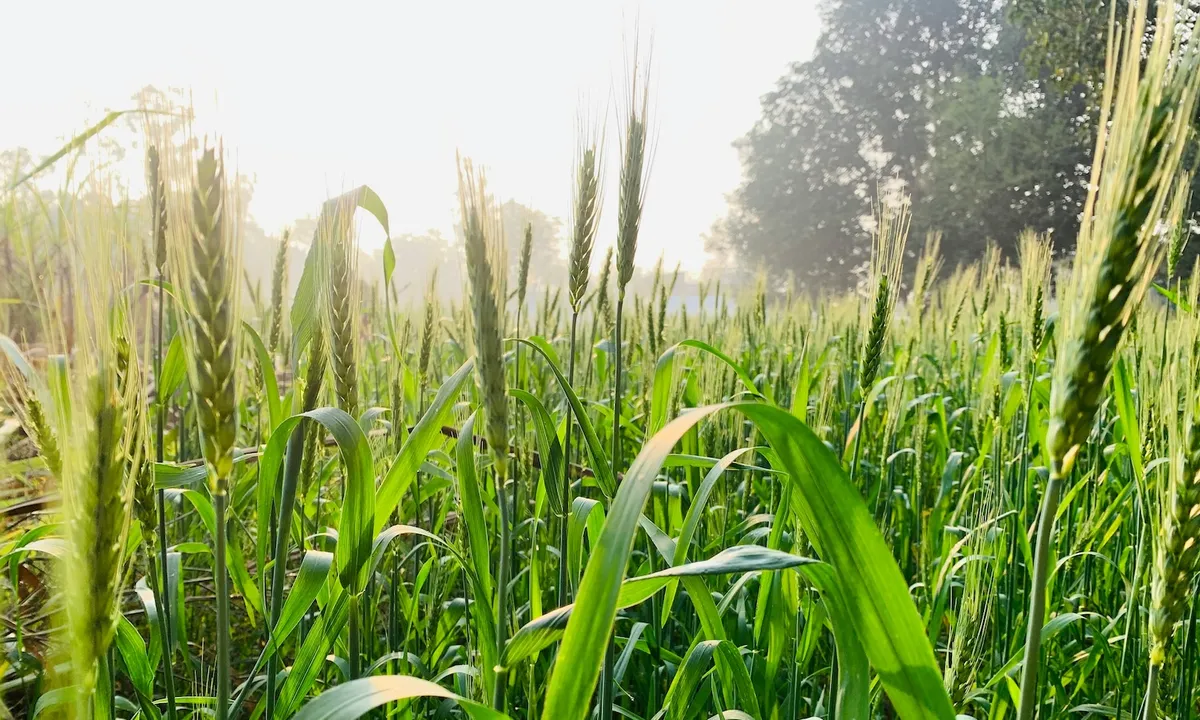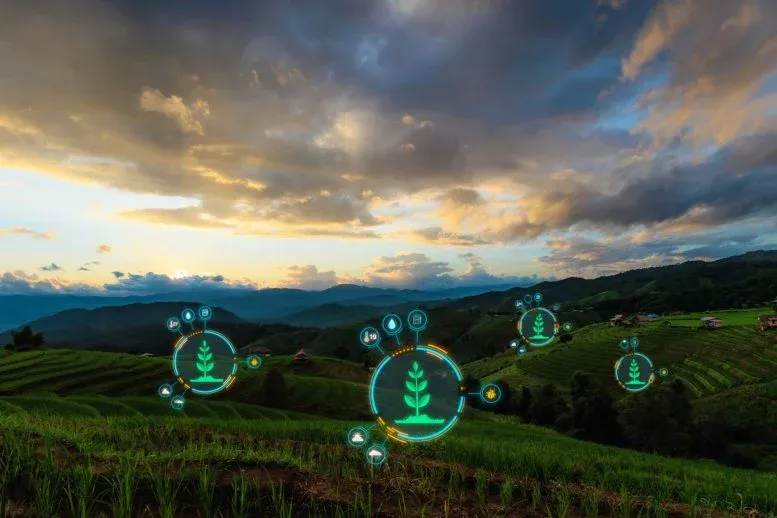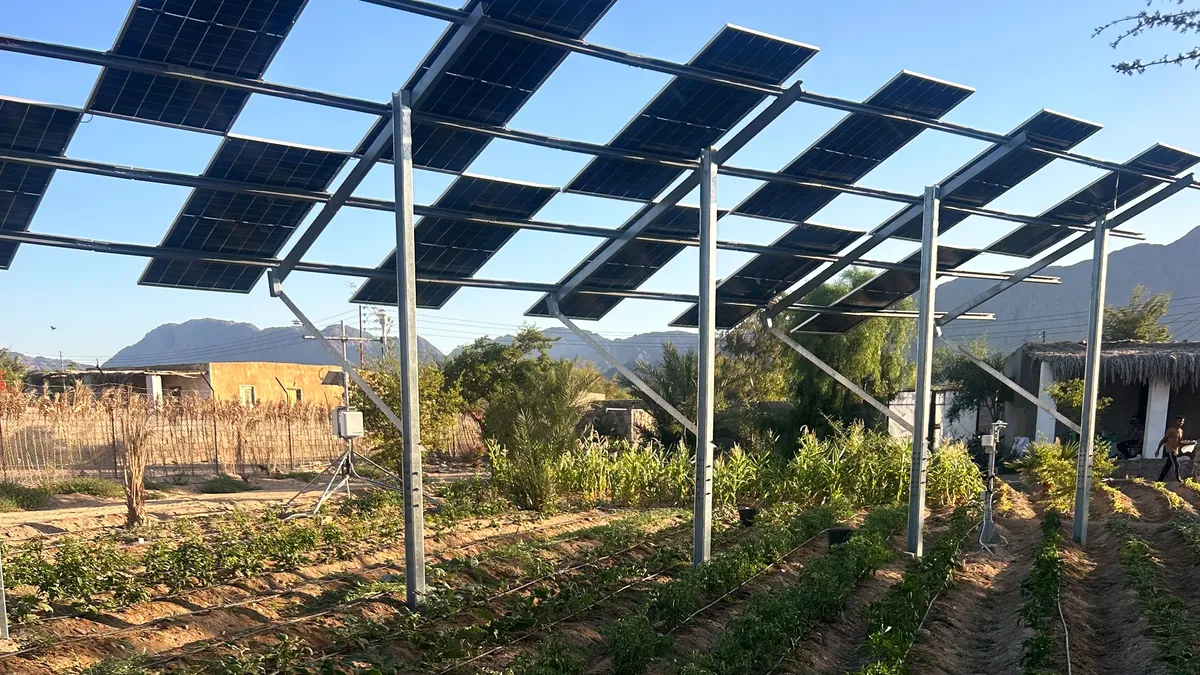
Ancient Egypt built an empire on farming, thanks to the Nile’s generous flow. Fast forward a few millennia, and modern Egyptian farmers are facing a much drier, hotter reality. The Nile isn't what it used to be, and the sun is really showing off. So, what’s a historically ingenious farmer to do? Look to the sky, of course, but not for rain — for shade and power.
Enter agrivoltaics, the most satisfyingly portmanteaued solution you'll hear today. It’s essentially putting solar panels over crops. Think of it as a very high-tech, very productive parasol. These panels don't just generate clean electricity; they also cast much-needed shade, which means less water evaporates and plants don't get scorched by the relentless sun.
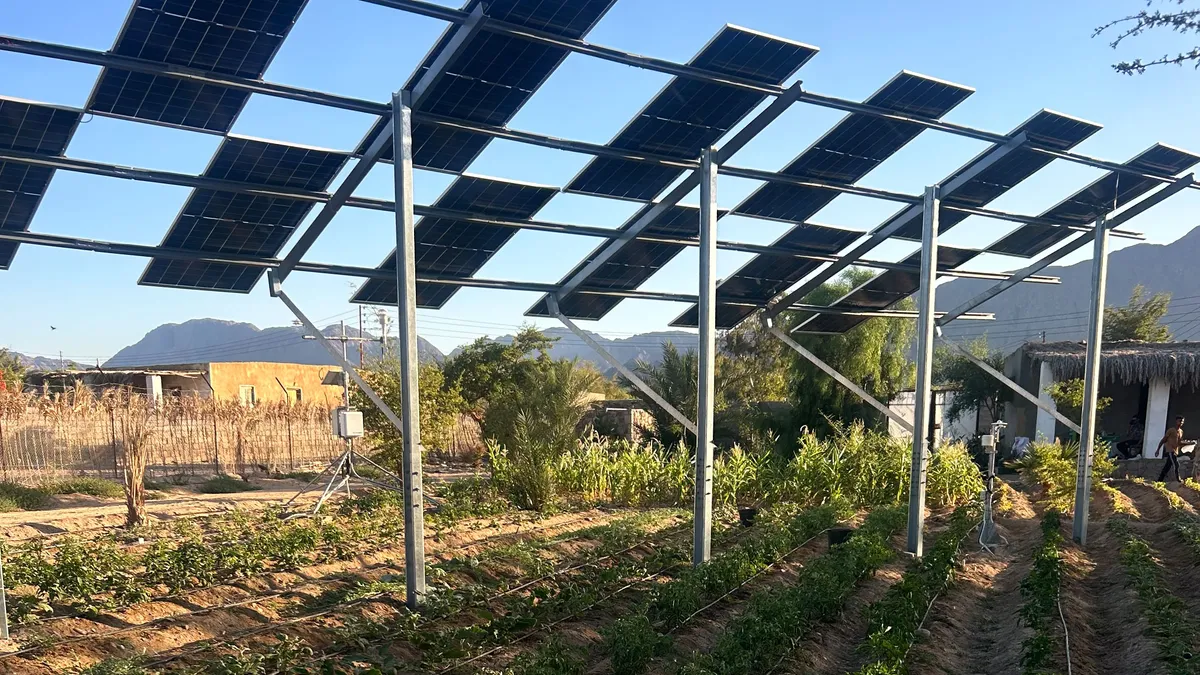
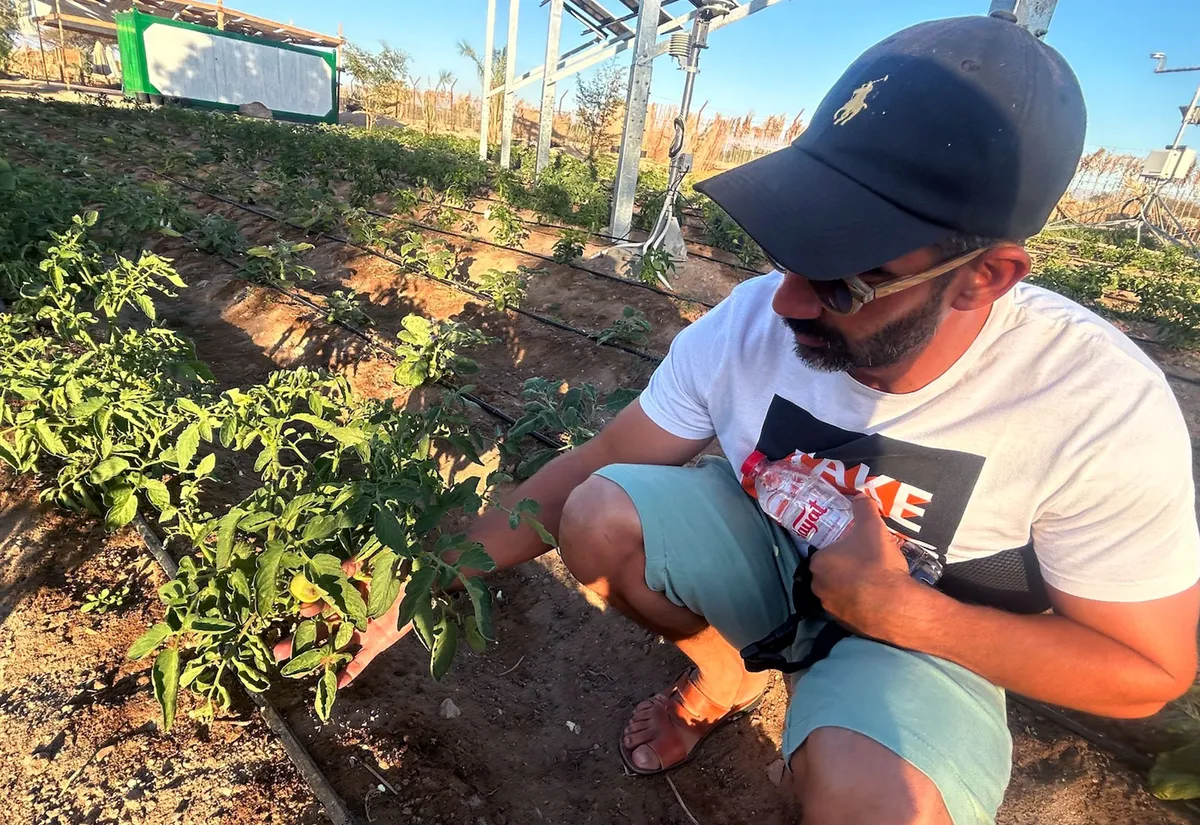
Egypt is currently running two pilot projects, testing this clever setup on everything from small family plots to larger operations. Because, as Gofran Chowdhury from renewable energy company 3E notes, there’s no one-size-fits-all instruction manual for “how to farm under giant power-generating umbrellas.” Everyone’s just trying things.
We're a new kind of news feed.
Regular news is designed to drain you. We're a non-profit built to restore you. Every story we publish is scored for impact, progress, and hope.
Start Your News DetoxAnd here’s the kicker: many plants actually thrive in partial shade. Imagine a forest floor, not a sun-baked desert. Researchers are finding that this dappled light can actually boost growth. Some projects are even using checkerboard patterns for the panels to let in just the right amount of sun, creating a Goldilocks zone for photosynthesis.
Beyond keeping plants from getting a sunburn, the panels dramatically reduce water loss from the soil. Studies in Nevada’s deserts have shown this helps rare plants flourish. In Colorado, scientists growing crops on rooftops under panels used a third less water than their unshaded counterparts. Plus, the panels offer protection from strong winds. Some truly futuristic minds are even experimenting with transparent solar panels that let light through while still making juice. Because, apparently, that’s where we are now.
Watermelons and Watts: A Brighter Future
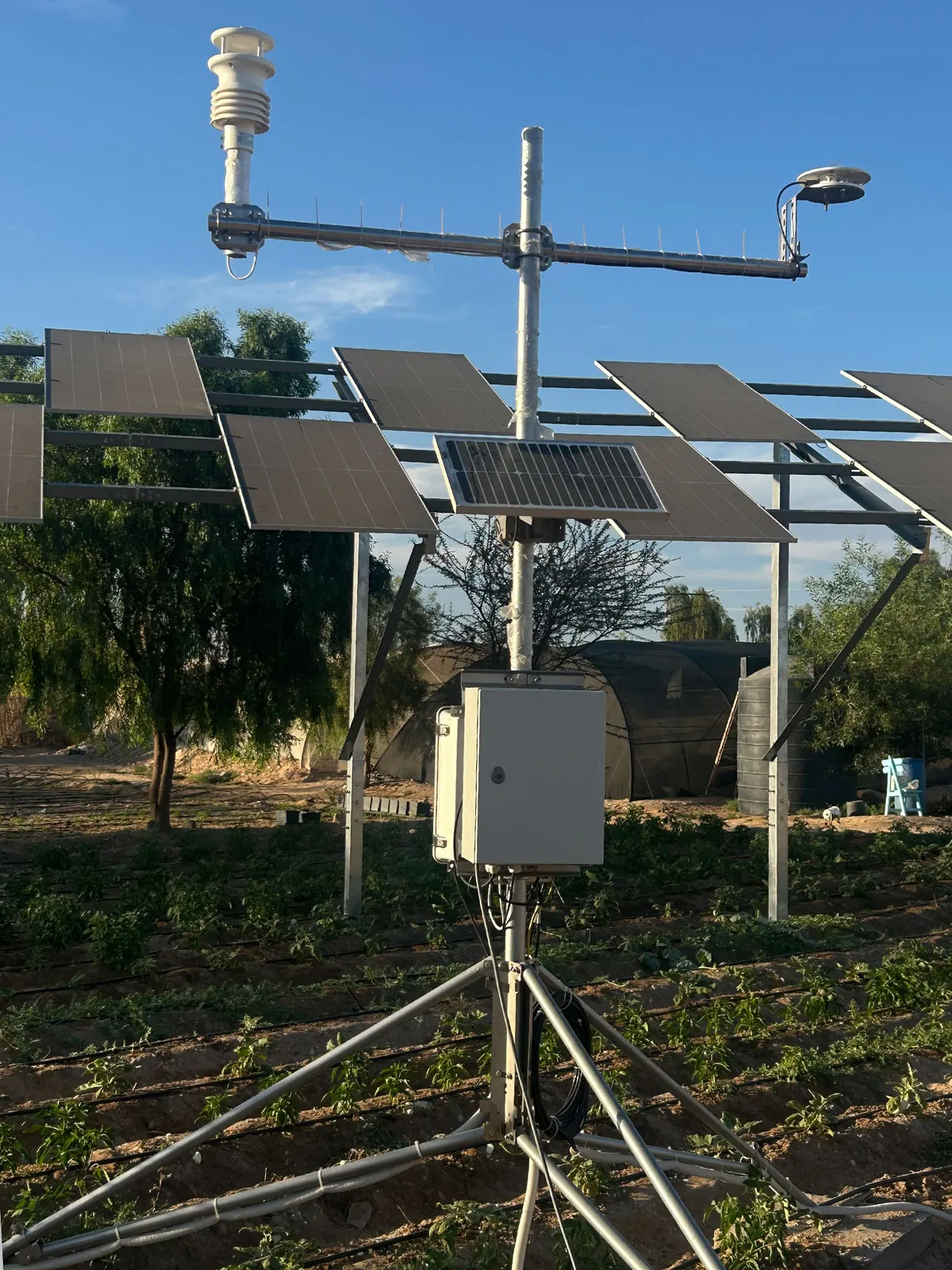
Every crop has its own diva demands, so projects are tailored to specific needs. But early results are promising. Cucumbers grown under panels on Colorado rooftops are reportedly growing to impressive sizes. In Egypt, farmers are sticking to traditional crops, with Maged El-Said, founder of Habiba Community, noting that watermelon is looking particularly good for the first time in his South Sinai farm. It seems watermelons appreciate a little personal space from the sun.
The electricity generated isn’t just a bonus; it’s a game-changer. Currently, it’s powering irrigation equipment. But it could also run desalination plants, turning salty water into fresh, which in turn allows for more agriculture and more agrivoltaics. It’s a beautiful, self-reinforcing cycle.
El-Said sums it up perfectly: agrivoltaics solves the age-old problem of choosing between land for food or land for power. “I have the solution that I can have both. Well, why not?” Indeed. Why not have your watermelon and power your pump too?