
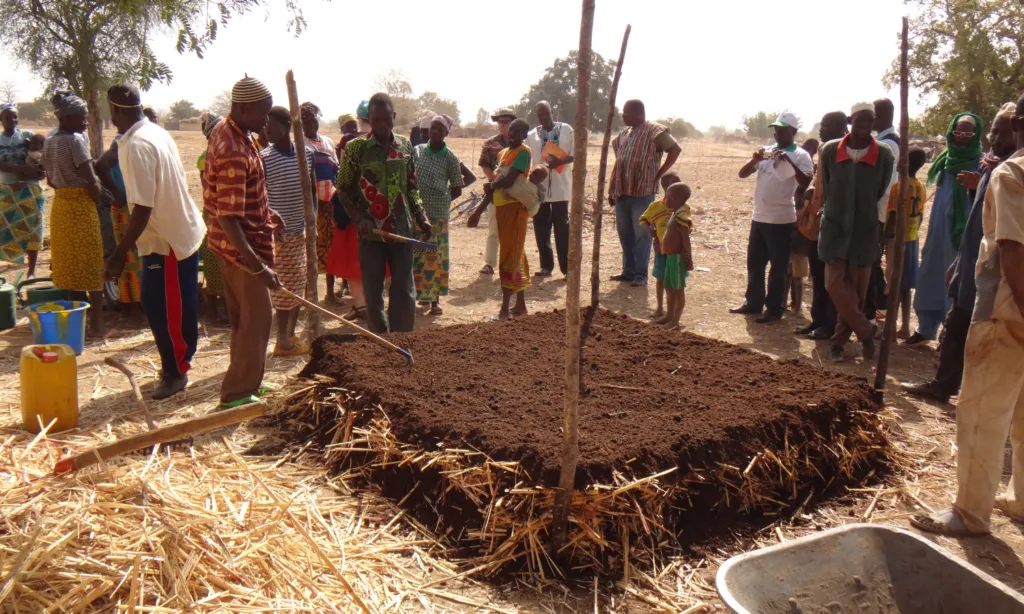
A recent report from Altus Impact, Groundswell International, and the Association Nourrir Sans Détruire (ANSD) finds that agroecological practices produce better results for farmers in Burkina Faso. The results hold even in drought-stricken areas, with producers seeing higher crop yields and better financial outcomes. The report, Transformational Agroecology in Burkina Faso, provides concrete data that agroecological practices in Burkina Faso are key to establishing stable farms and farmers. Extreme rains, flooding events, severe droughts, armed conflict, and deforestation are contributing to large-scale land degradation, displacement, and food insecurity in the landlocked nation. The U.N. High Commissioner for Refugees reports that more than 2 million people were internally displaced at the end of 2024 in Burkina Faso. “It was important for us to create this assessment now to show evidence that agroecology can not only feed the growing population thanks to its ability to significantly increase farm yield, but also augment farmers’ and their households’ revenue,” Tsuamba Bourgou, Groundswell International’s West Africa Regional Coordinator, tells Food Tank. The authors analyzed data from over 400 small-scale farming households in eastern Burkina Faso, comparing per-hectare profitability across different farming styles. These ranged from conventional to early and advanced agroecological practices. Farmers practicing advanced agroecology, defined as using three or more practices such as zaï (a practice that involves digging small pits to conserve water), half-moons (digging semi-circular earthen basins to collect rainwater), low tillage, no residue burning, stone contour barriers, and Farmer-Managed Natural Regeneration of trees, saw yields that were 77 percent higher than conventional farmers and nearly double those of farmers just beginning their transition. According to the Transformational Agroecology report, 80 percent of Burkinabé depend on farming and pastoralism for their livelihoods. Yields, food security, and farmer income are critical measures of success in the report. Advanced agroecological farmers fared dramatically better on both fronts: they held median food stocks of 300 kg, triple those of farmers still in transition, and were far less likely to have run out of food in the past year (13 percent versus 45 percent). They also carried significantly less debt, US$8 compared to US$35, and showed greater creditworthiness with rural banks and other financial institutions. “It enables income diversification (crops, forest products, livestock) and ensures a decent standard of living,” Ali Dianou, co-author of the report and Executive Director of ANSD, tells Food Tank. “Farmers who adopt these practices have less debt and better financial solvency.” Farmers practicing advanced agroecology saw 67 percent higher net incomes than farmers using few or no agroecological practices. Agroecology also offers environmental benefits, helping vulnerable farming communities remain on their land even in the most difficult climate conditions, potentially keeping climate displacement at bay. The report finds that agroecological farmers witnessed soil regeneration, which improved soil health, fixed nitrogen, and reintroduced stronger root systems less prone to erosion, all of which helps retain soil moisture and creates a buffer against both drought stress and flood risks. Groundswell International, ANSD, and Altus Impact aim to scale agroecological practices at a territorial level, using the report’s findings as a tool for advocacy and community sensitization. The report has already been shared widely among NGOs. Looking ahead, Dianou outlined several long-term goals for his organization, ANSD, including the development of a national agroecology strategy for Burkina Faso. ANSD also aims to shift public funding away from chemical fertilizers and toward organic alternatives, while attracting private investment through blended finance and risk mitigation instruments. They hope that this work can center the role farmers play in shaping agricultural knowledge informed by indigenous practices. Articles like the one you just read are made possible through the generosity of Food Tank members. Can we please count on you to be part of our growing movement? Become a member today by clicking here. Photo courtesy of Association Nourrir Sans Détruire The post Agroecology Pays Off: Report Highlights Major Gains for Burkina Faso Farmers appeared first on Food Tank.
Agroecology Pays Off: Report Highlights Major Gains for Burkina Faso Farmers
Burkina Faso farmers thrive with agroecology! A new report confirms these practices deliver higher crop yields and better financial outcomes, even in drought-stricken areas.

Originally reported by Food Tank ↗ · Rewritten for clarity and brevity by Brightcast
Brightcast Impact Score (BIS)
This article highlights a positive action by demonstrating the success of agroecological practices in Burkina Faso, leading to higher crop yields and better financial outcomes for farmers. The report provides concrete data from over 400 households, showing significant improvements even in drought-stricken areas. This approach offers a scalable solution to food insecurity and land degradation.
Emotional uplift and inspirational potential
Audience impact and shareability
Source credibility and content accuracy
Major proven impact
Start a ripple of hope
Share it and watch how far your hope travels · View analytics →
Wall of Hope
0/20Be the first to share how this story made you feel
How does this make you feel?
Sources: Food Tank
More stories that restore faith in humanity
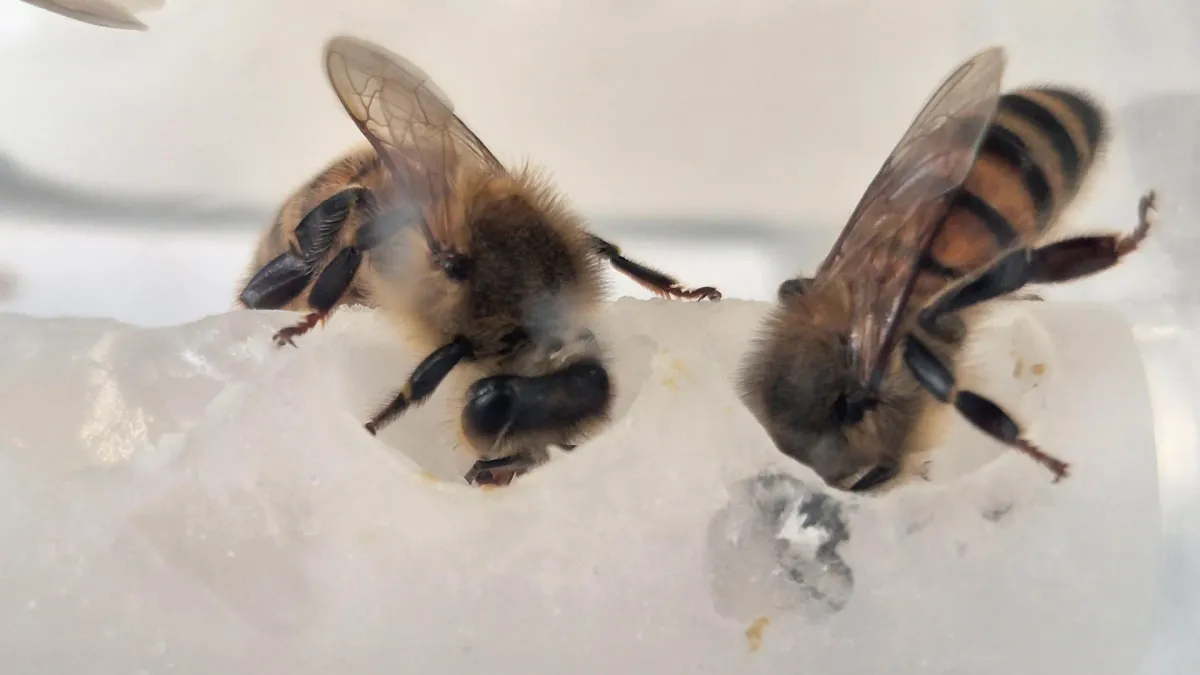
Scientists uncovered the nutrients bees were missing — Colonies surged 15-fold
Scientists have developed a breakthrough “superfood” for honeybees by engineering yeast to produce the essential nutrients normally found in pollen. In controlled trials, colonies fed this specially designed diet produced up to 15 times more young, showing a dramatic boost in reproduction and overal...

From compost to crops: banana peels show surprising power as eco-friendly fertilizer | The Optimist Daily
From Compost to Crops: Banana Peels Show Surprising Power as Eco-Friendly Fertilizer In kitchens around the world, banana peels are tossed away without a second thought. But according to new research, these scraps could do more than rot in a land...
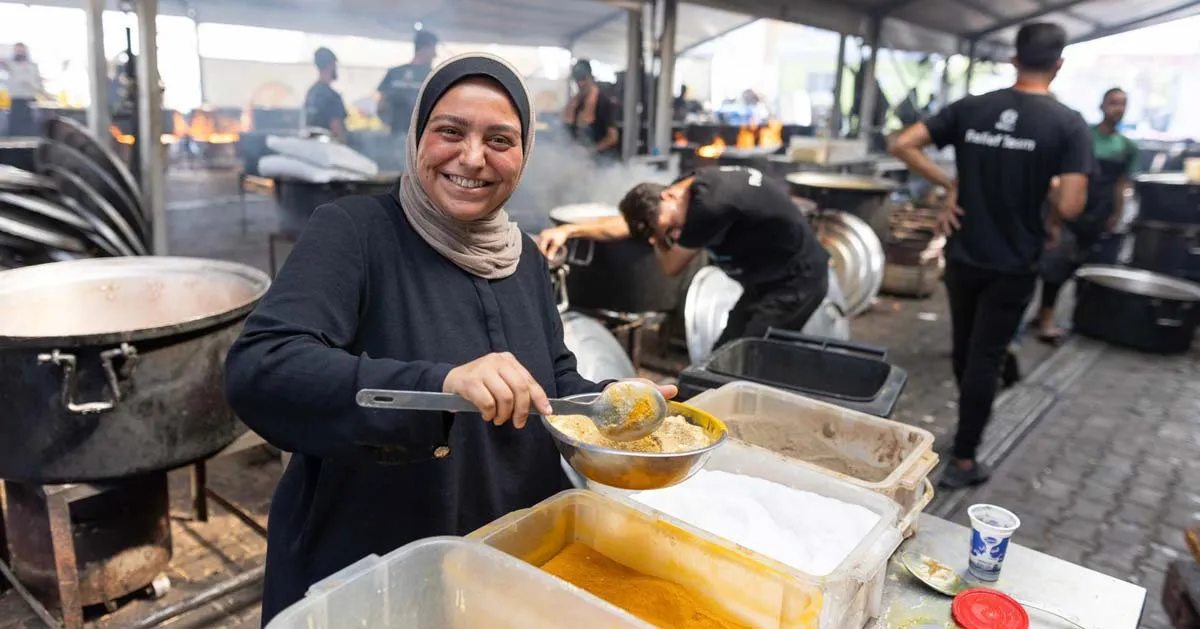
Amid hunger, Palestinians observe Ramadan fasts. World Central Kitchen ensures they are still fed
Ramadan fasts change the way aid groups operate in Gaza, but World Central Kitchen promises Palestinians will still have reliable access to food....

Once Wiped Out by Blight, Thousands of American Chestnut Trees are Thriving on Biologist’s Land in Maine
Home All News USA Once Wiped Out by Blight, Thousands of American Chestnut Trees are Thriving... ...
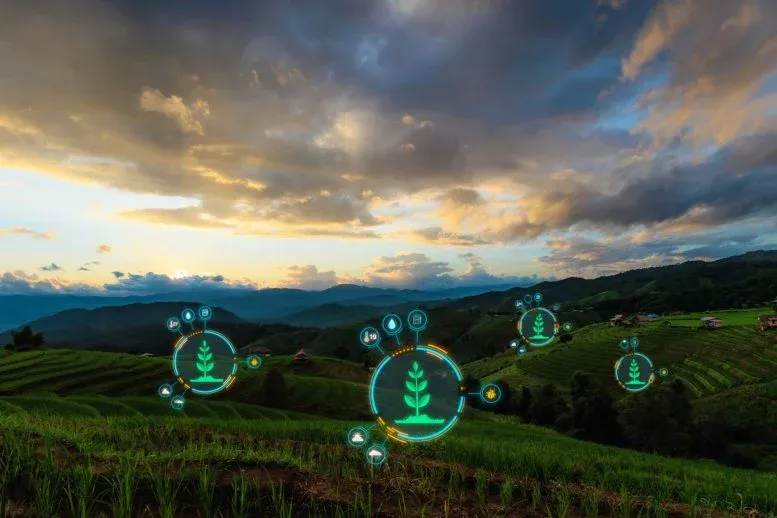
Scientists Are Turning Food Waste Into Farming Gold and Health Breakthroughs
What we throw away as food waste may hold the key to healthier crops, stronger ecosystems, and new medical compounds. Food waste is often seen as little more than compost material, but new research shows it can offer much more. Scientists are discov...
‘Simple But Profound’: Natural Farming Is Changing the Lives of Millions in India
Andhra Pradesh Community Managed Natural Farming (APCNF) recently received the 2026 Food Planet Prize for their role in leading one of the world’s largest agroecology projects. The award will help the organization scale sustainable practices to the 6 million farmers in the Indian state of Andhra Pra...