
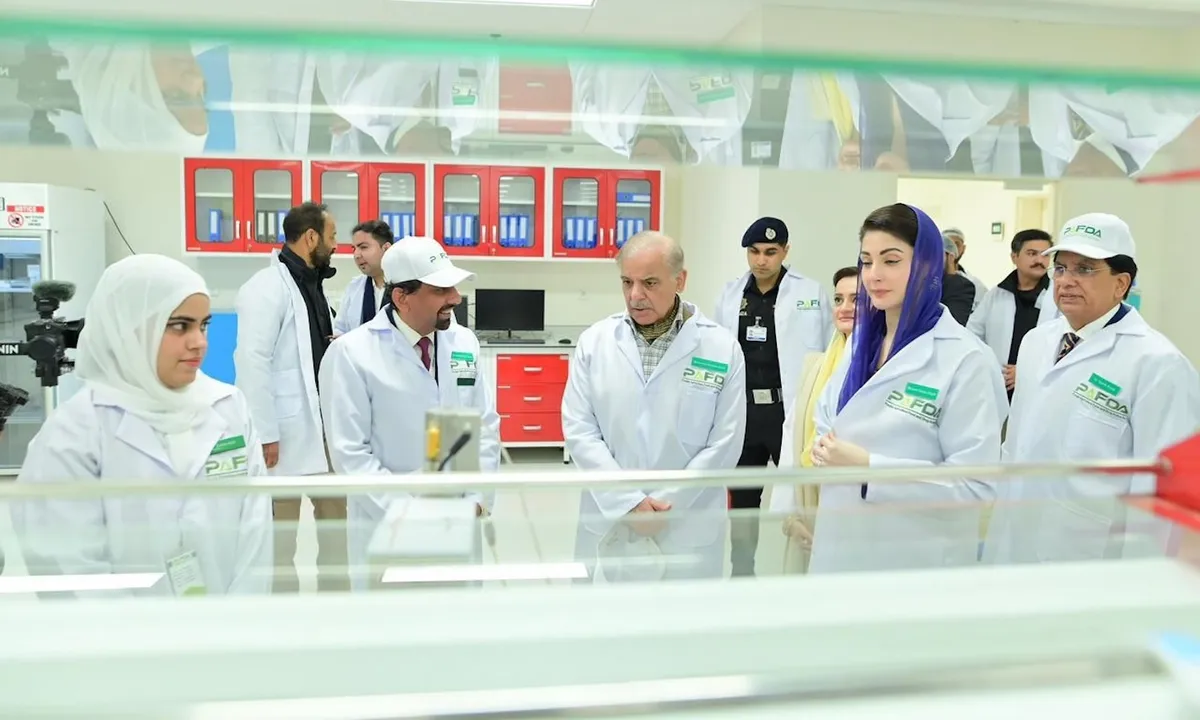
In Pakistan’s Punjab province, the Chief Minister and Prime Minister recently inaugurated the Punjab Agriculture, Food and Drug Authority (PAFDA). The new agency is designed to bring food, agriculture, and drug testing under a single regulatory framework to strengthen food safety and export compliance. One in five people in Pakistan suffer from foodborne illnesses every year, according to the U.N. Food and Agriculture Organization (FAO). This is twice the global average and leads to an estimated productivity loss of US$1.7 billion annually. A paper published in Legal Research & Analysis points to fragmented regulatory authority as one major barrier to an effective food safety system in Pakistan. In Punjab, officials hope coordinated action under the new agency will make the food supply safer. PAFDA is currently working to merge 23 laboratories, including food, agriculture, and health departments. They plan to collaborate closely with farmers, industry, and regulators to ensure services are practical and responsive. This includes expanding food and drug testing in areas where capabilities have been limited. “Our focus will continue to remain on investing in our people,” Talat Naseer Pasha, Director General of PAFDA, tells Food Tank. “Our aim is to support compliance, not simply enforce standards.” PAFDA aims to separate testing from enforcement, and to bring scientific analysis and conformance functions under one independent institution equipped with modern technology, says Pasha. They hope this transition will help them build regulatory credibility, improve compliance with international accreditation standards, and create shared infrastructure that supports exports and public health. Pasha says that most exporters currently rely on advanced food, agriculture, and pharmaceutical testing outside of Pakistan. By making accredited testing available domestically, the agency aims to help businesses verify compliance with international standards more quickly and affordably. Local testing may also contribute to more effective policy. He believes the agency’s move towards an integrated regulatory framework can serve as a model for other regions in Pakistan. For food safety and agricultural regulation, “PAFDA represents an important step towards an evidence-based system that can strengthen public health protection, improve regulatory enforcement, and promote confidence in trade,” Aleena Kokab, Senior Microbiology Scientist at at the agency, tells Food Tank. The Food Testing Lab will analyze food products for safety, quality, and nutritional content to support accurate labeling and regulatory compliance. The Agriculture Testing Lab will assess agricultural inputs such as fertilizers, pesticides, and water quality. It will also conduct pesticide residue testing in food and water to strengthen food safety and support compliance with export standards. A study in the journal Water finds that pesticide residues were detected in nearly all water samples collected from 15 of Punjab’s districts. The labs will examine pesticides and other contamination risks at various points in the food system, from farm inputs to end products. As PAFDA builds its scientific workforce in Lahore, the agency is investing in a hostel for women scientists who are relocating or commuting from outside the city. “This is an important step in improving diversity and inclusion and in building the next generation of scientific leadership,” Pasha says. Women make up around 70 percent of the agency’s scientists, and the hostel is intended to reduce barriers related to travel and housing. “In localities like mine, talented women often step back from science due to safety concerns, long commutes, and lack of supportive living facilities,” PAFDA Food Scientist Manahil Zafar, who lives in a small district 350 kilometers outside of Lahore, tells Food Tank. “PAFDA’s women scientists’ hostel breaks these barriers by providing a secure environment where women can focus on their careers without compromise.” Alongside the establishment of PAFDA comes the launch of Punjab’s Agriculture Lab on Wheels initiative, which will deploy mobile labs across 15 districts to provide real-time soil and water analyses. The Agriculture Department of the Government of Punjab hopes that bringing testing closer to farmers will allow them to quickly assess soil fertility and water quality, receive more timely guidance to inform crop-planning, and improve agricultural productivity. The program will be supported by a central monitoring control room and 100 container-based facilitation centers staffed with advisers and equipped with digital tools for farmers. Mobile units will provide initial screening in rural areas, while PAFDA conducts confirmatory testing. “PAFDA is still a young institution, but it represents a long-term investment in strengthening Punjab’s food and agriculture systems,” Pasha says. “Our hope is that it will contribute to safer food, stronger farmer livelihoods, and greater confidence in the quality of what Punjab produces.” Articles like the one you just read are made possible through the generosity of Food Tank members. Can we please count on you to be part of our growing movement? Become a member today by clicking here. Photo courtesy of PAFDA The post Pakistan’s Punjab Province Advances Food, Agriculture, and Drug Testing Under New Regulatory Authority appeared first on Food Tank.
Pakistan’s Punjab Province Advances Food, Agriculture, and Drug Testing Under New Regulatory Authority

Originally reported by Food Tank ↗ · Rewritten for clarity and brevity by Brightcast
Brightcast Impact Score (BIS)
This article describes the establishment of a new regulatory authority in Pakistan's Punjab province aimed at improving food, agriculture, and drug testing. This is a positive action to address a significant public health and economic problem. The initiative has the potential for wide-ranging and lasting positive impacts on public health and economic development.
Emotional uplift and inspirational potential
Audience impact and shareability
Source credibility and content accuracy
Major proven impact
Start a ripple of hope
Share it and watch how far your hope travels · View analytics →
Wall of Hope
0/20Be the first to share how this story made you feel
How does this make you feel?
Sources: Food Tank
More stories that restore faith in humanity
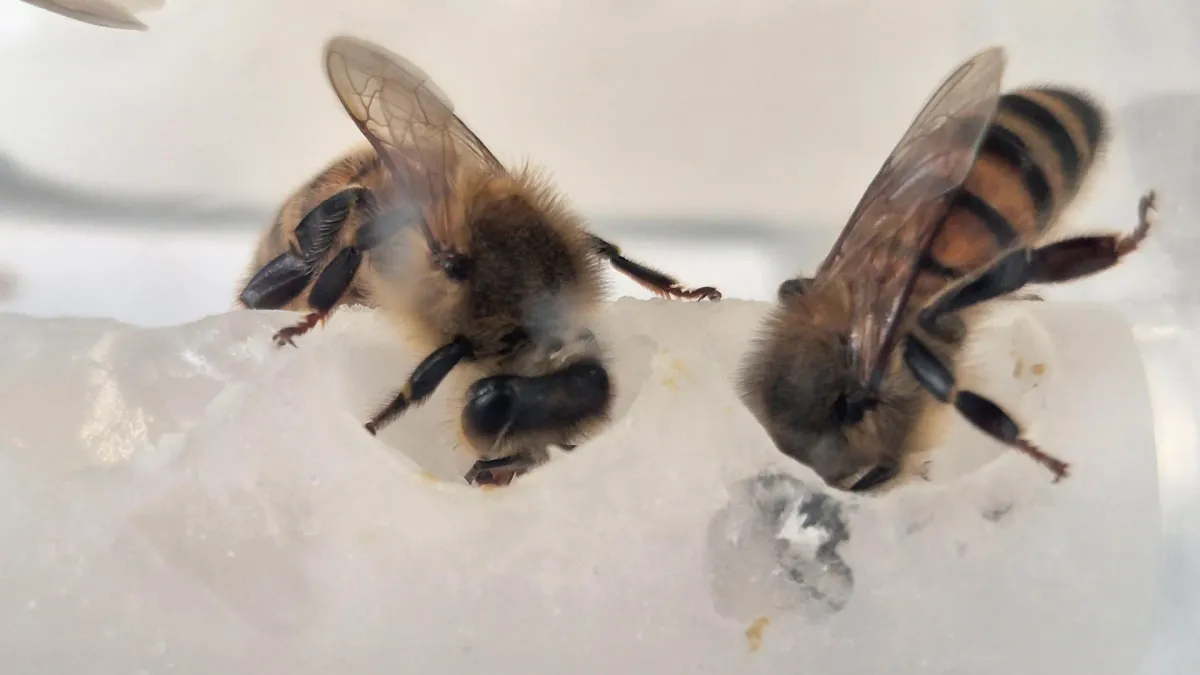
Scientists uncovered the nutrients bees were missing — Colonies surged 15-fold
Scientists have developed a breakthrough “superfood” for honeybees by engineering yeast to produce the essential nutrients normally found in pollen. In controlled trials, colonies fed this specially designed diet produced up to 15 times more young, showing a dramatic boost in reproduction and overal...

From compost to crops: banana peels show surprising power as eco-friendly fertilizer | The Optimist Daily
From Compost to Crops: Banana Peels Show Surprising Power as Eco-Friendly Fertilizer In kitchens around the world, banana peels are tossed away without a second thought. But according to new research, these scraps could do more than rot in a land...
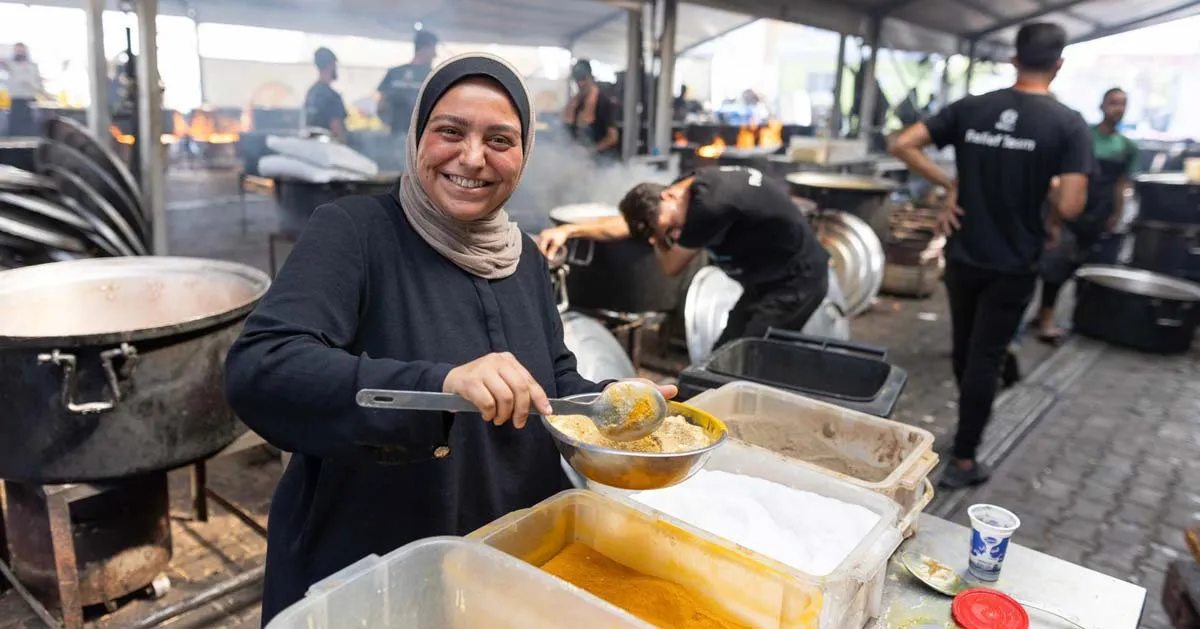
Amid hunger, Palestinians observe Ramadan fasts. World Central Kitchen ensures they are still fed
Ramadan fasts change the way aid groups operate in Gaza, but World Central Kitchen promises Palestinians will still have reliable access to food....

Once Wiped Out by Blight, Thousands of American Chestnut Trees are Thriving on Biologist’s Land in Maine
Home All News USA Once Wiped Out by Blight, Thousands of American Chestnut Trees are Thriving... ...
Scientists Are Turning Food Waste Into Farming Gold and Health Breakthroughs
What we throw away as food waste may hold the key to healthier crops, stronger ecosystems, and new medical compounds. Food waste is often seen as little more than compost material, but new research shows it can offer much more. Scientists are discov...
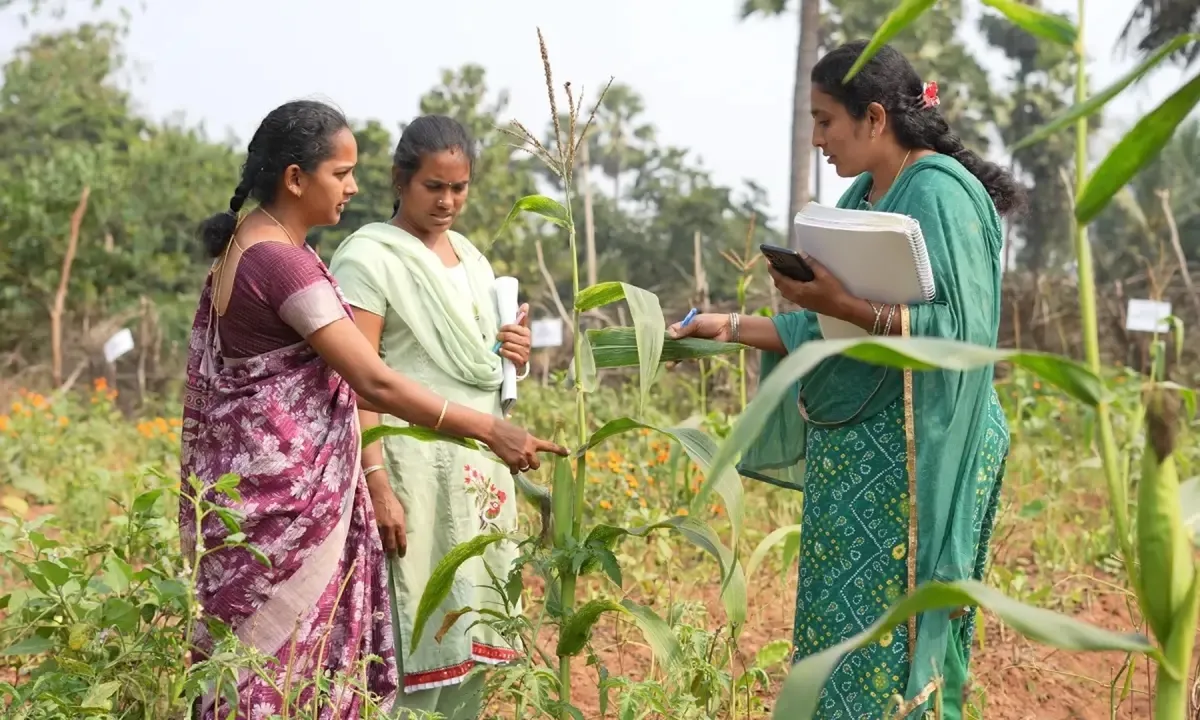
‘Simple But Profound’: Natural Farming Is Changing the Lives of Millions in India
Andhra Pradesh Community Managed Natural Farming (APCNF) recently received the 2026 Food Planet Prize for their role in leading one of the world’s largest agroecology projects. The award will help the organization scale sustainable practices to the 6 million farmers in the Indian state of Andhra Pra...