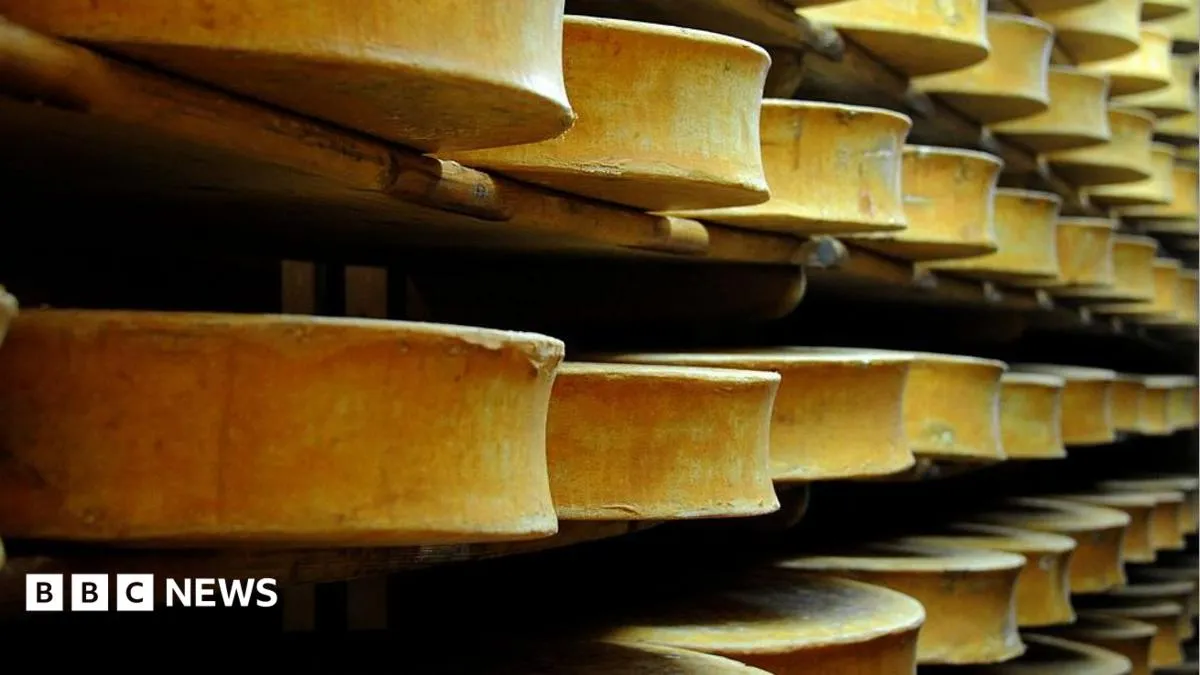
For anyone who believes cheese is a serious business — and in France, it’s practically a religion — some truly wild news has dropped. The French government, known for guarding its culinary traditions with the ferocity of a particularly grumpy badger, has temporarily eased the ironclad rules for making some of its most famous cheeses.
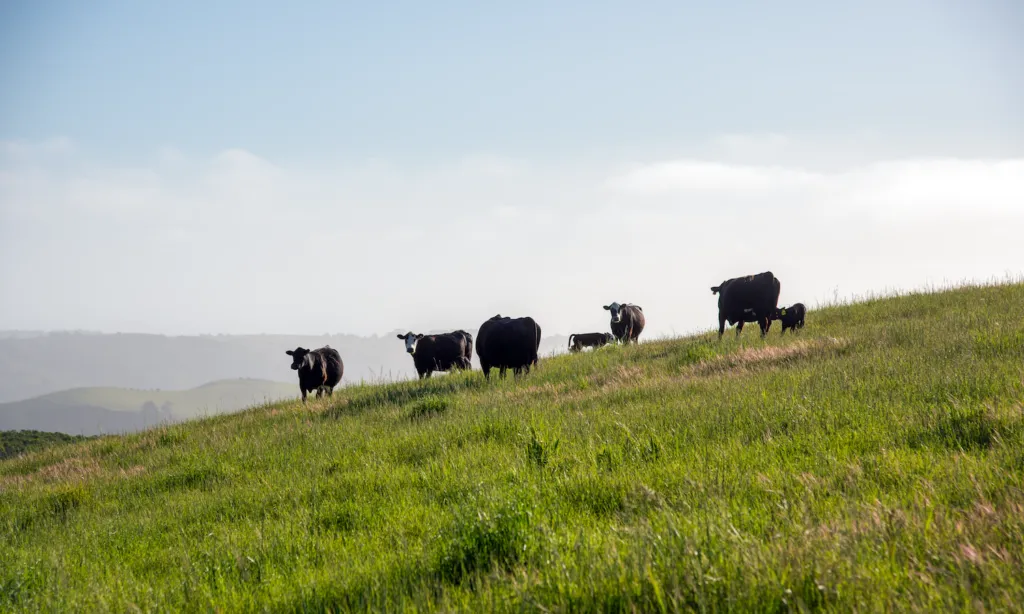
Why the sudden flexibility? A drought. A really, really bad drought that left dairy cows staring at empty pastures, wondering where all the good grass went. Because apparently, even centuries of tradition buckle when the cows are hungry.
When Terroir Meets Too Hot to Handle
On Wednesday, decrees were issued for Abondance, Beaufort, and Comté, those glorious mountain cheeses from eastern France. And the list is expected to grow, bringing in heavy hitters like Cantal, Bleu d'Auvergne, and even Rocamadour goat cheese. The big takeaway? Farmers can now feed their livestock grass and hay from outside their usual, meticulously defined geographical areas. Imagine the horror in some traditionalist circles.
We're a new kind of news feed.
Regular news is designed to drain you. We're a non-profit built to restore you. Every story we publish is scored for impact, progress, and hope.
Start Your News DetoxThis isn't just about cheese, either. The National Institute for Origin and Quality (INAO), which basically acts as the bouncer for France's most prestigious food labels, has also approved temporary tweaks for things like Calvados (apple brandy), some ciders, sparkling wines, and even certain plums. Because when the weather goes rogue, everyone has to adapt.
These certificates of origin are a big deal. They allow farmers to charge more, promising consumers a taste that's inextricably linked to its specific "terroir" – that magical French concept of place, tradition, and flavor all rolled into one. It’s why a Comté is a Comté, and not just, well, a block of cheese.
The Great Forage Migration of 2026
Thanks to a "historic" drought in 2026 (let that satisfyingly specific number sink in), farmers are getting a temporary pass. Abondance makers in the Alps, for instance, can now slash the amount of pastured grass in their animals' diet from 50% to a mere 15%. They can also import forage and use some supplements. Comté producers in the Jura mountains can swap their usual local green maize for maize from, gasp, other regions.
These sorts of exceptions are actually allowed under French and European law during extreme weather. Similar measures were rolled out after the dry summer of 2022, suggesting this isn't a one-off anomaly but possibly a preview of future culinary conundrums.
Will this affect the taste of your beloved Comté? The price of your Beaufort? The French government is essentially playing a high-stakes game of "let's find out." But it does raise a rather existential question: if climate change keeps forcing these delicious traditions to adapt, what does "terroir" even mean anymore? Pass the cheese, and let's ponder.