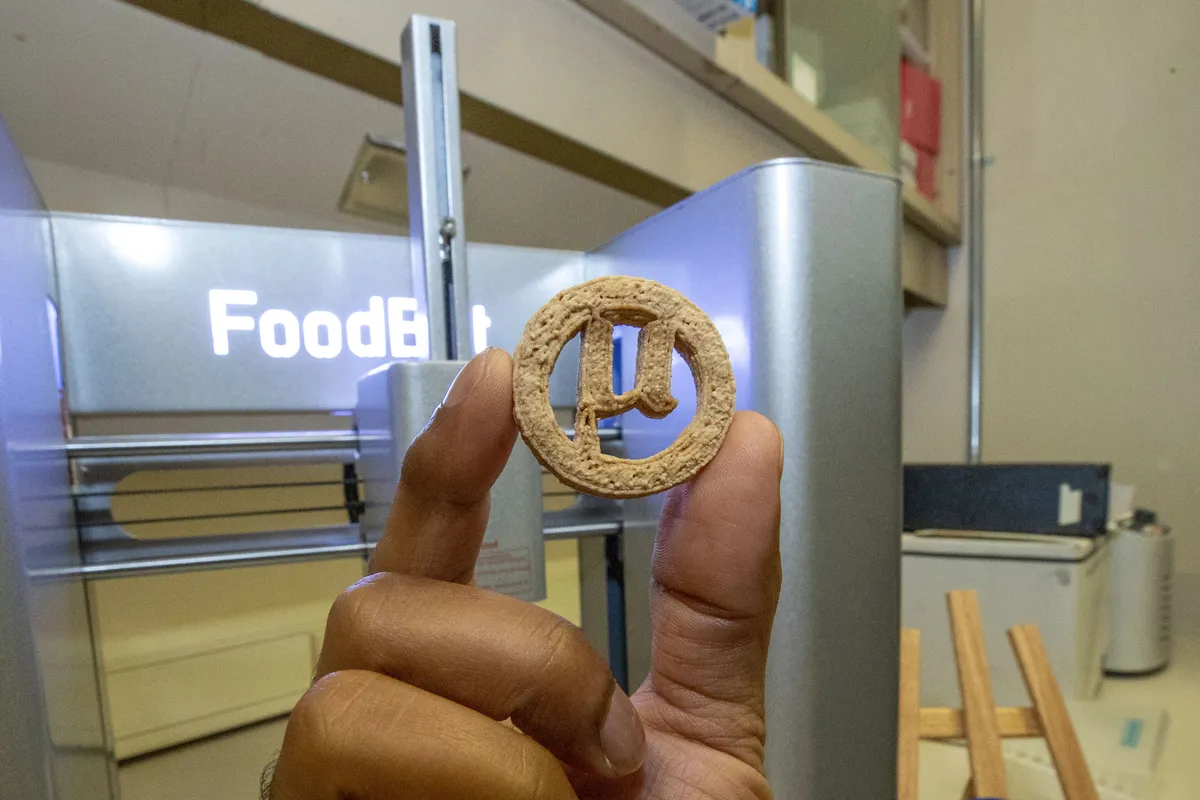
Imagine reaching for a cookie, knowing its main ingredient used to be a plastic bottle. Welcome to the future, where researchers have programmed yeast to transform PET plastic and agricultural waste into protein-rich, potentially life-saving snacks.
This isn't some dystopian sci-fi plot; it's the work of scientists at Southern Illinois University (SIU) Carbondale, who are tackling both plastic pollution and looming food shortages with a single, surprisingly sweet solution. They even presented their findings at ACS Fall 2026, because apparently, that's where we are now.
The Ultimate Upcycling Project
The idea is elegantly simple: plastic is carbon, and food is carbon. So, why not turn one into the other? Associate Professor Lahiru Jayakody and his team, backed by NASA (because space food is obviously the ultimate test kitchen), decided to focus on edible products. Instead of complex chemical processes, they're letting tiny, clever microbes do the heavy lifting.
We're a new kind of news feed.
Regular news is designed to drain you. We're a non-profit built to restore you. Every story we publish is scored for impact, progress, and hope.
Start Your News DetoxThink about it: we've been using yeast for millennia to make bread and beer. More recently, we've engineered it to produce insulin. Now, these microscopic marvels are being taught new tricks: breaking down polyethylene terephthalate (PET) — that ubiquitous plastic in water bottles — along with corn stalks and other plant waste.
First, the tough waste materials get a high-pressure, high-temperature water-and-oxygen bath, a process called oxidative hydrothermal dissolution. This basically pre-digests them, making them palatable for the engineered yeast. The yeast then gets to work, munching on these broken-down bits and converting them into proteins, fats, and even flavorings. Talk about a glow-up.
The final product? Protein-packed cookies dubbed µBites (pronounced "microbites"). These aren't just for novelty; initial data suggests they're safe to eat. While taste tests are still awaiting official approval, early sniff-tests and feedback indicate people would absolutely eat them if food was scarce. Which, if you think about it, is both impressive and slightly terrifying.
To make these cookies more appealing for everyday consumption, the team is also engineering yeast to produce specific food additives. We're talking vanilla flavoring from plant waste, and even beta-carotene (which your body turns into Vitamin A) from ethylene glycol, a component of PET. Because if you're going to eat a cookie made from trash, it might as well taste good and give you vitamins.
Jayakody envisions a future where microbes produce all the µBites ingredients, from starch to sweetener. He believes these cookies could be ready for public consumption within a few years, feeding everyone from deep-sea submariners to future Mars colonists. Given that global food demand is set to skyrocket by 2050, and 30% of the world's population could face hunger, turning plastic into cookies suddenly sounds like less of an oddity and more like a stroke of genius.