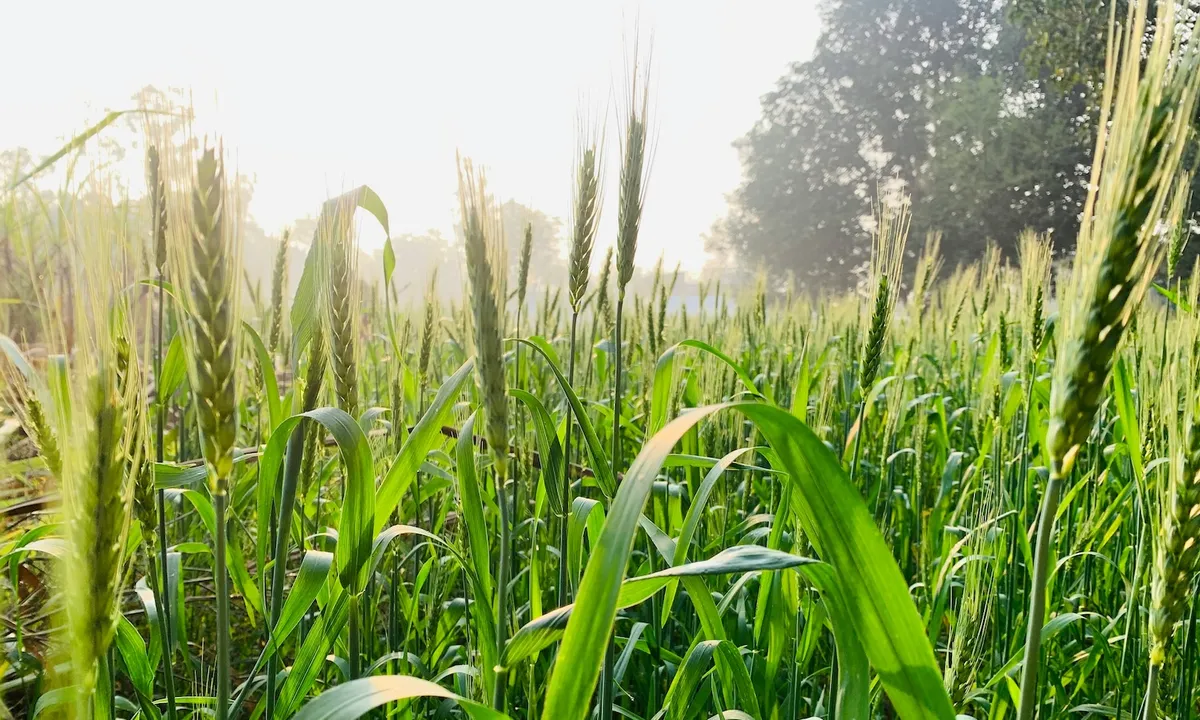
For many years, wheat farmers could count on predictable seasons. But recently, warm weather in March and April made wheat grow too fast. This pushed the crop into a sensitive stage just when freezing temperatures hit.
As weather becomes harder to predict, choosing the right planting date is tough. For Virginia wheat growers, who already face tight budgets, getting the timing right is crucial for their farms to survive.
Joseph Oakes, an Extension specialist, noted that Virginia's wheat farming has decreased. This is because market prices are low and costs are high.
We're a new kind of news feed.
Regular news is designed to drain you. We're a non-profit built to restore you. Every story we publish is scored for impact, progress, and hope.
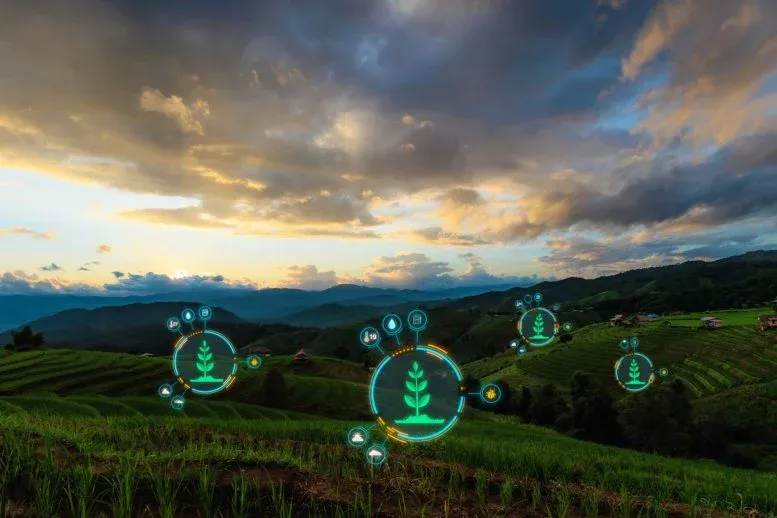
Start Your News DetoxHistorical weather data shows the climate is changing. So, tools that help farmers find the best planting dates are very important. These tools help ensure enough warm days for a good harvest while avoiding late-spring freezes.
Oakes explained that growth in the fall accounts for almost 90% of the final grain yield. Allowing enough time for this growth is key for high wheat yields.
New Research Guides Planting Decisions
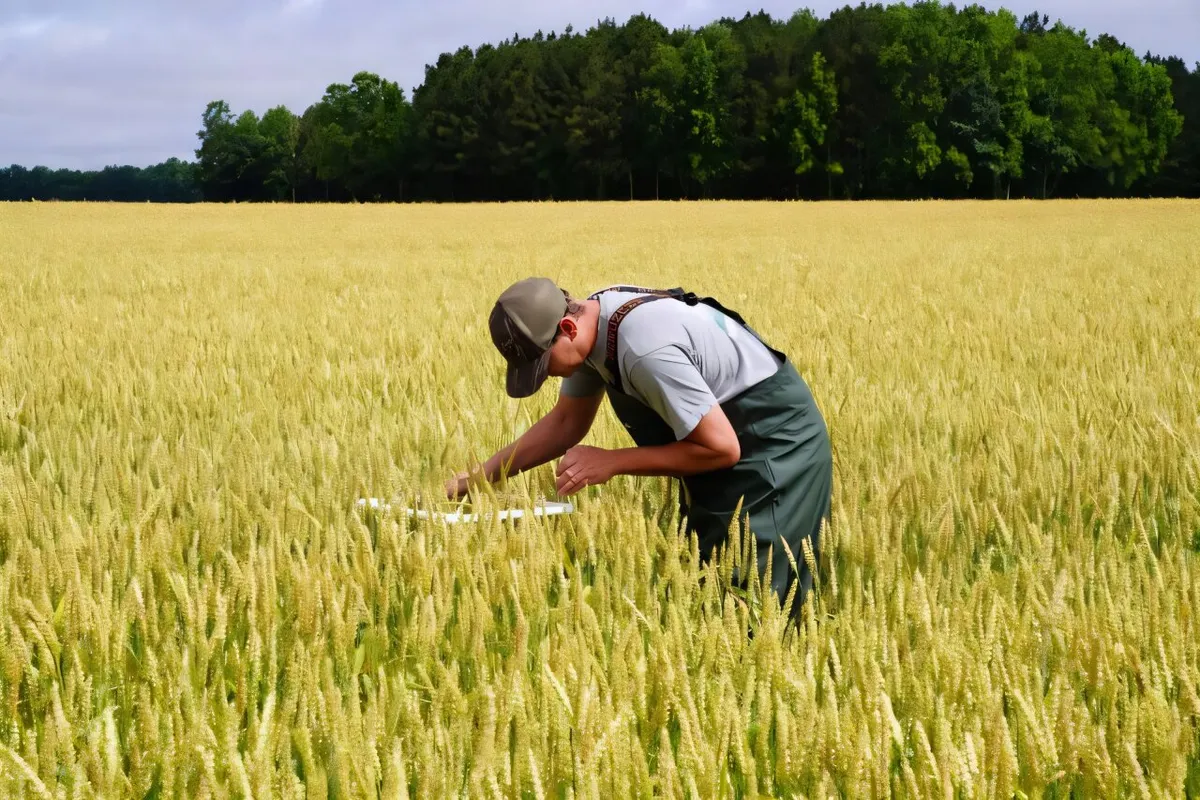
Research by Oakes and Extension agents Robbie Longest and Turner Minx offers a solution. They worked with farmers in several counties. The team compared four planting dates, from mid-October through November. They used drones to watch crop growth all season.
These drone methods were developed with a USDA grant. The grant helps farmers apply fertilizer better and collect crop data efficiently. For this project, the team used these tools to study planting dates for local wheat growers.
The research showed how planting dates affect both yield and the risk of spring freezes. Planting before November 1 did not lower yields. This gives farmers confidence to plant later in October without losing production. This timing allows crops to establish before winter. It also reduces the chance of them maturing too early and being damaged by spring freezes.
However, wheat planted in November had less time to grow before winter. This led to less growth and lower yields.
Oakes stressed the importance of planting early enough to establish before winter. But he also warned against planting so early that crops risk a damaging spring freeze. He noted that farmers are facing pressure from both low prices and high costs. Anything that boosts yields will help their operations.
Depending on the planting date, farmers could see gains of up to 24 bushels per acre. This means over $100 more per acre.
Making Data Accessible to Farmers
The research team is also working with the Virginia Grain Producers Association (VGPA). They are creating tools to share these findings with growers.
Taylor Hubbard from the VGPA said they want farmers to be as informed as possible. This helps them make decisions before planting.
To connect farmers with useful information, the Eastern Virginia AREC helped VGPA create the Medius.RE Trial Data platform. This tool provides local and regional data on wheat, barley, and corn trials. Farmers can access information on planting dates, disease risks, performance, and yield potential.
The findings were also shared at the Virginia Small Grain Field Day. This event was co-hosted by VGPA and the Eastern Virginia AREC. Information was also shared through Virginia Cooperative Extension.
This study is part of a larger effort at the College of Agriculture and Life Sciences. Researchers are studying how crops react to increasingly unpredictable weather. Other projects are looking into ways to prevent frost, improve cold tolerance, and time blooming in fruit trees. The goal is to reduce losses from late-season freezes.
Mary Burrows, associate dean of research, said researchers are helping farmers manage weather risks. They aim to provide research-based information and practical tools. These tools help farmers improve productivity, reduce risk, and make Virginia agriculture stronger.
Deep Dive & References
Medius.RE Trial Data - Virginia Grain Producers Association