Slugs. They're not just slow garden nuisances; they're tiny, slimy economic saboteurs, munching their way through valuable crops like wheat and oilseed rape. The bill for their nocturnal feasts? A cool £44 million for UK farmers every single year. Which, if you think about it, is a lot of salad.
But now, farmers are fighting back with something a little more sophisticated than salt circles and crossed fingers.
The Slug GPS That Farmers Built
Imagine a weather map, but instead of predicting rain, it predicts exactly where the slimers will strike next. That's essentially what a new digital mapping tool does. It lets farmers pinpoint slug hotspots, meaning they can apply pesticides with surgical precision instead of dousing entire fields in a hopeful, expensive spray.
We're a new kind of news feed.
Regular news is designed to drain you. We're a non-profit built to restore you. Every story we publish is scored for impact, progress, and hope.
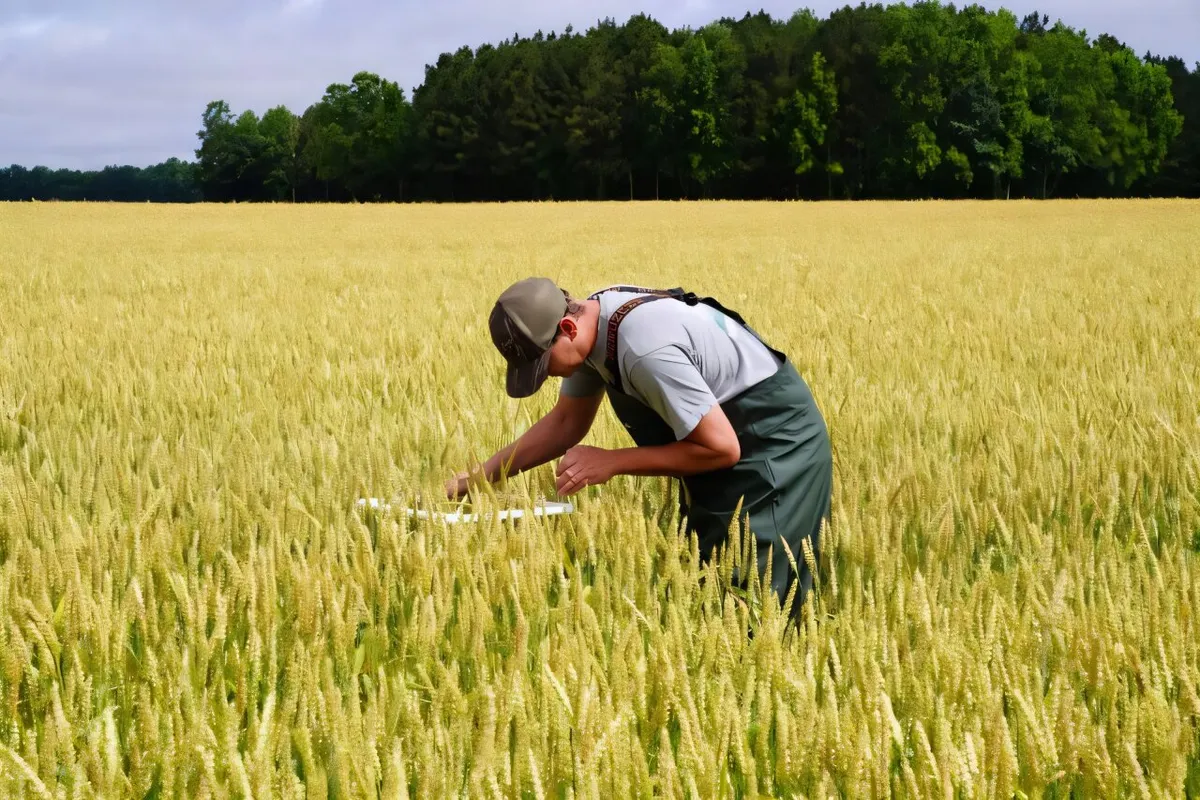
Start Your News DetoxThis clever tech emerged from a three-year project called 'Slimers' (because of course it was), spearheaded by the British On-Farm Innovation Network (BOFIN). The real heroes? Farmers themselves, dubbed 'slug sleuths,' who got down and dirty, monitoring their fields to figure out which soil types these gastropods find most appealing. Because who knows the land better than the people working it? (Take that, ivory tower scientists.)
The results? In a pilot program, farmers slashed their slug pellet use by a whopping 50%. If this goes national, we're talking £6 million saved annually. Let that satisfying number sink in.
Tom Allen-Stevens, BOFIN's founder, put it best: farmers are the unsung heroes of this research, their on-the-ground intelligence often underestimated. Now, they can get a free 'slug risk' map, which can then be fed into automated pellet applicators. These clever machines only drop the good stuff where it's actually needed.
Allen-Stevens did note that a dry autumn during trials might have kept slug numbers down, so more testing is on the menu. But the initial signs are promising enough to make a slug's life considerably less chill.
Breeding a Better Wheat (for Humans, Not Slugs)
Beyond mapping, the Slimers project also delved into genetics, seeking out new wheat varieties that slugs would simply find... unappetizing. Scientists from the John Innes Centre, working hand-in-hand with farmers, identified three specific areas in wheat's genetic code linked to resistance against the notoriously destructive grey field slug.
Developing wheat that naturally says "nope" to slugs isn't just a win for farmers' wallets; it's a triple threat. Fewer crop losses, lower costs, and a lighter environmental footprint. Plus, it makes farming a bit more resilient against those persistent, squishy adversaries. Which, honestly, is something everyone can get behind.