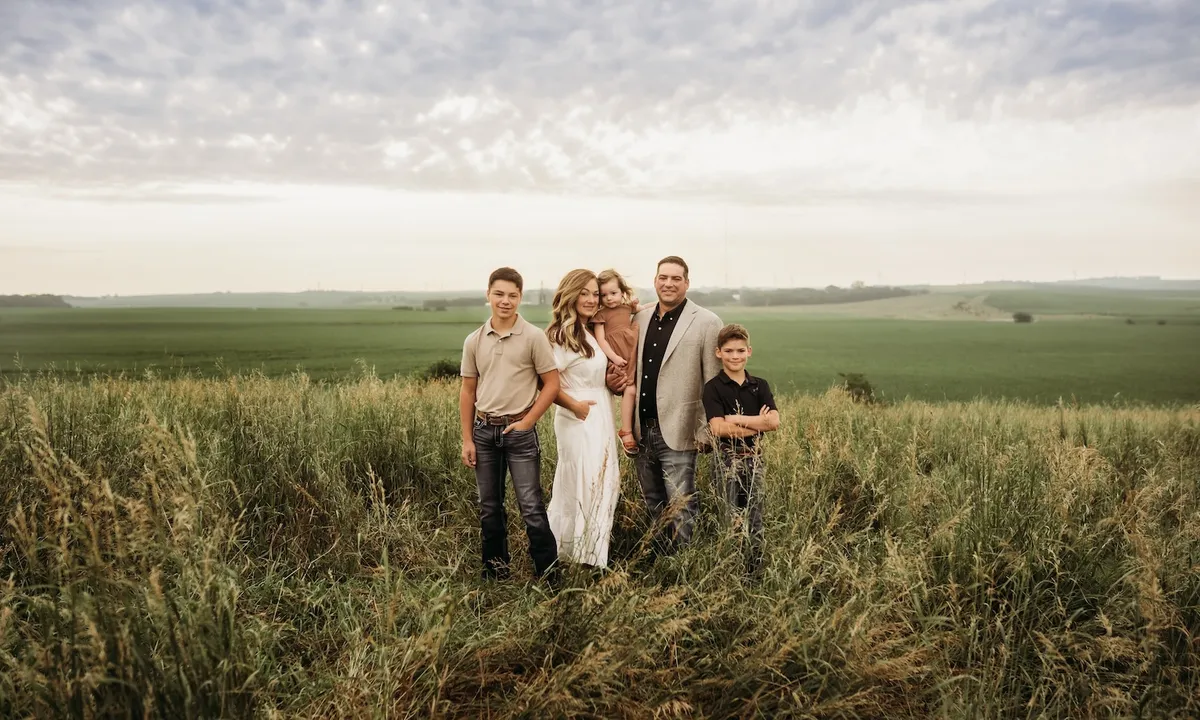
Ryan Brodersen's parents made the ultimate sacrifice for their Nebraska farm in the early 90s: they quit. Sky-high land prices and operating costs meant the four-generation family legacy hit a wall. For 14-year-old Ryan, who just wanted to farm, it felt like a betrayal. He even admits he "hated them for it." Tough crowd, that Ryan.
The family packed up for South Dakota, and for five long years, Ryan didn't plant a single seed. The dream seemed dead, buried under a pile of economic realities. Then, a lifeline: his grandmother had some land to rent. With a New Farmer loan from the USDA, Ryan and his wife, Angie, decided to give it a go.
From Side Hustle to Swine Empire
Those early years were a brutal grind. Ryan juggled truck driving, factory shifts, and even a stint on a pig breeding farm, all while earning a college degree. The goal was clear: farm full-time, on their own land. But how do you find stability in an industry that chewed up his parents?
We're a new kind of news feed.
Regular news is designed to drain you. We're a non-profit built to restore you. Every story we publish is scored for impact, progress, and hope.
Start Your News DetoxThe answer, surprisingly, came in the form of pigs and a company called Niman Ranch. Niman connects with over 600 independent U.S. farmers, guaranteeing a market for humanely and sustainably raised pork. Ryan says the moment they partnered up, his pig barns "have never been empty ever since." Let that satisfying number sink in. By 2018, their farm had quadrupled in size, and they finally bought their own land.
What started as a few hogs alongside their crops completely flipped. Now, the crops are mainly there to feed the hogs. Which, if you think about it, is both impressive and slightly terrifying for anyone who thought farming was just about corn.
The Poop-Powered Future
Today, the Brodersens are basically alchemists, turning hog manure and composted bedding into liquid gold for their fields. No artificial fertilizer needed. Ryan admits spreading the manure is a serious workout, but the long-term payoff for soil fertility is "extremely high." Even when a local grain elevator — a farmer's lifeline — shut down, Ryan says, "the hogs carried us through."
Unlike the vast majority of U.S. hogs, Ryan's pigs are living their best lives outdoors. This means more daily problem-solving, which Ryan, ever the innovator, thrives on. He's constantly tweaking his methods, finding new efficiencies.
He watches his pigs "thrive in this environment," healthy and happy. Plus, hogs grow faster than cattle, giving him more chances each year to refine his approach. With companies like Niman Ranch and a growing consumer appetite for sustainably raised food, the Brodersens aren't just surviving; they're planning a dynasty.
Their three children won't need to buy more land to farm. Instead, they can diversify and build on what's already there. Angie puts it best: "We don’t want them to fill our shoes. We want them to find where their strengths are and improve our operations." Because apparently, that's where we are now: a pig-powered, multi-generational farming future where the kids get to be even better than their parents.