In Colorado Springs, a nonprofit called Food to Power is doing something genuinely clever: they're not just feeding people, they're building an entire ecosystem around food. Think free groceries, urban farming, and a whole lot of compost. Because, apparently, that's where true power lies.
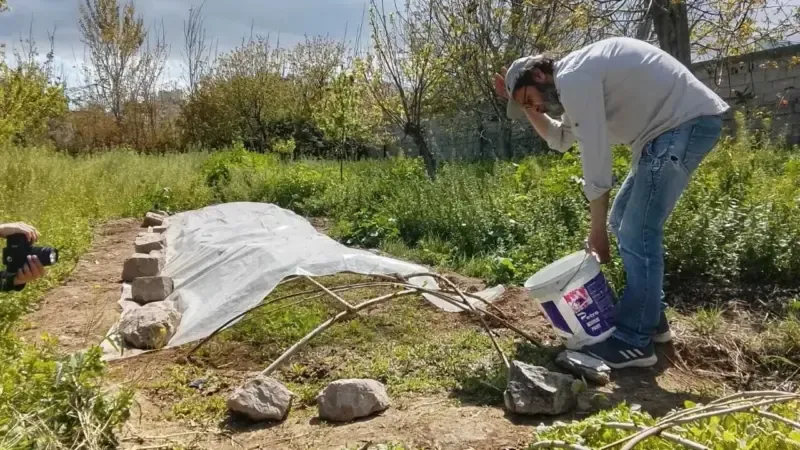
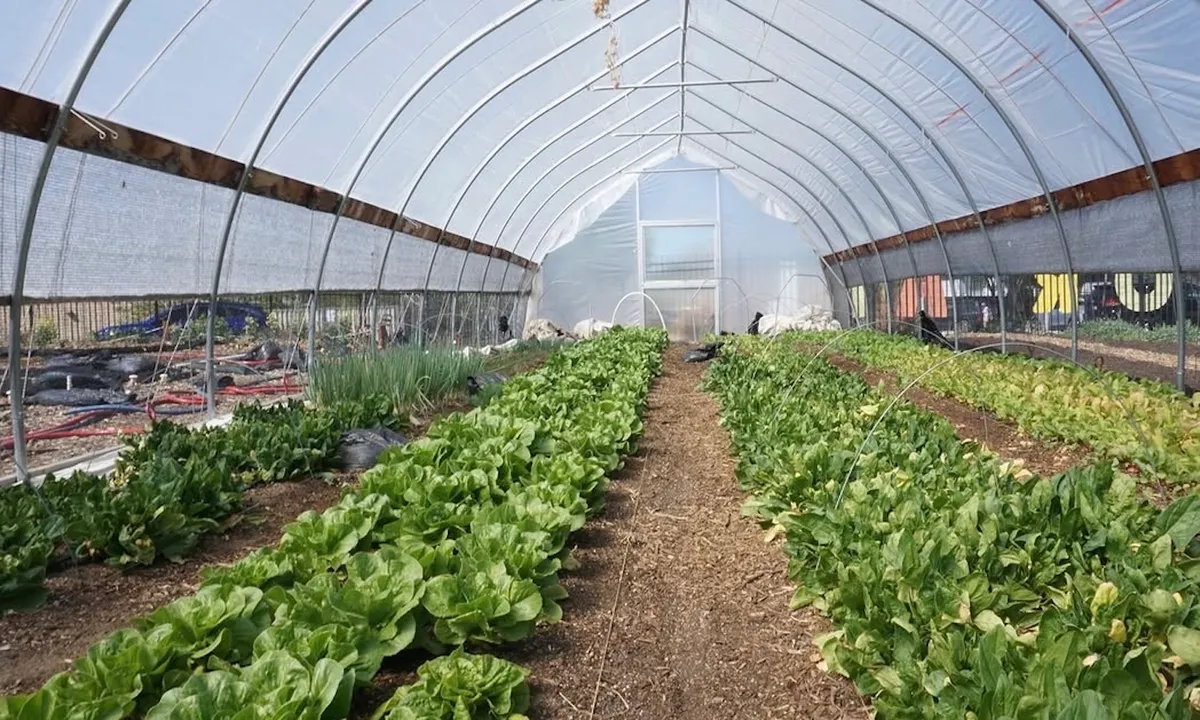
It all started in 2013 as a simple food recovery effort. Now, they've got a quarter-acre farm that supplies a local farmers market, a free grocery program, and even a youth internship program. They're basically creating a localized food loop, from farm to table to, well, back to the farm.
The Power of a Potato Peel
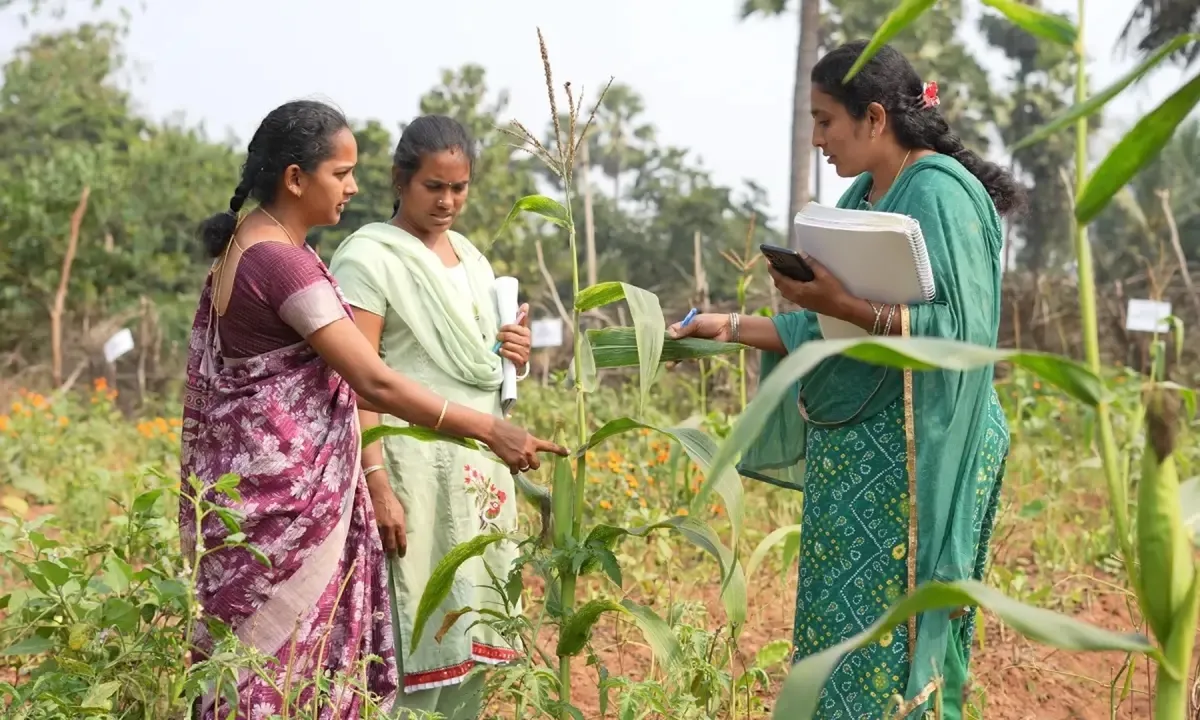
Patience Kabwasa, the Executive Director, puts it simply: they're "taking food and transforming it, regenerating it into power." This isn't just about handing out apples; it's about reconnecting a historically Black neighborhood with agricultural traditions, giving people the space to learn how to grow their own food. Which, if you think about it, is both impressive and slightly terrifying for anyone who's ever tried to keep a houseplant alive.
We're a new kind of news feed.
Regular news is designed to drain you. We're a non-profit built to restore you. Every story we publish is scored for impact, progress, and hope.
Start Your News DetoxThey're also big on advocacy and, perhaps most fascinatingly, collecting food scraps. All those forgotten banana peels and coffee grounds? Food to Power turns them into compost, which then enriches the soil, which then grows more food. It's a beautiful, smelly, entirely logical cycle.
When the EPA Pulls the Plug
Of course, even the most innovative nonprofits hit snags. Food to Power was promised a hefty $350,000 grant from the U.S. Environmental Protection Agency for environmental justice work. Then, last year, poof. Gone. "A huge blow," Kabwasa called it, forcing them to rethink everything from program delivery to how they even keep the lights on.

But here's the kicker: instead of crumbling, they diversified. They sought new partnerships, scaled up their composting (which, it turns out, can actually generate income), and found ways to become less reliant on fickle grants. Last year, despite the funding drama, Food to Power reached 44,000 households. That's a 34% jump from the year before.
So, while the EPA might have pulled the rug out, Food to Power just dug in deeper. They're proving that sometimes, a setback is just an invitation to get more creative, more resilient, and perhaps, just a little bit more powerful. All while turning your forgotten leftovers into a force for good.