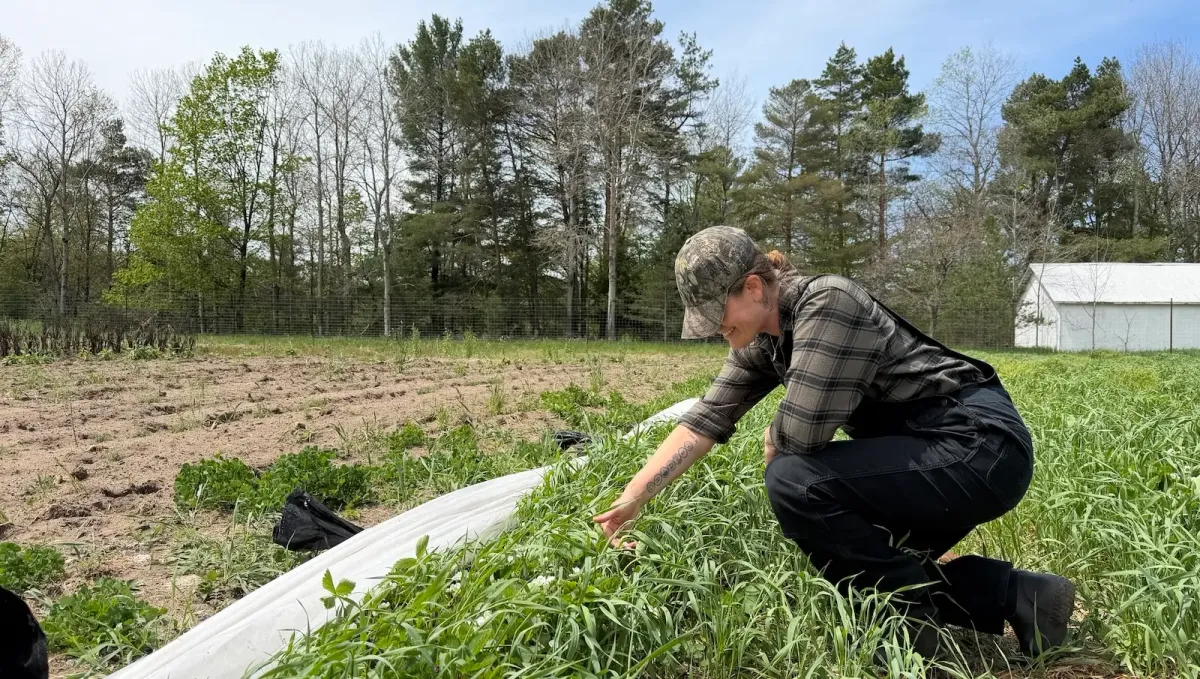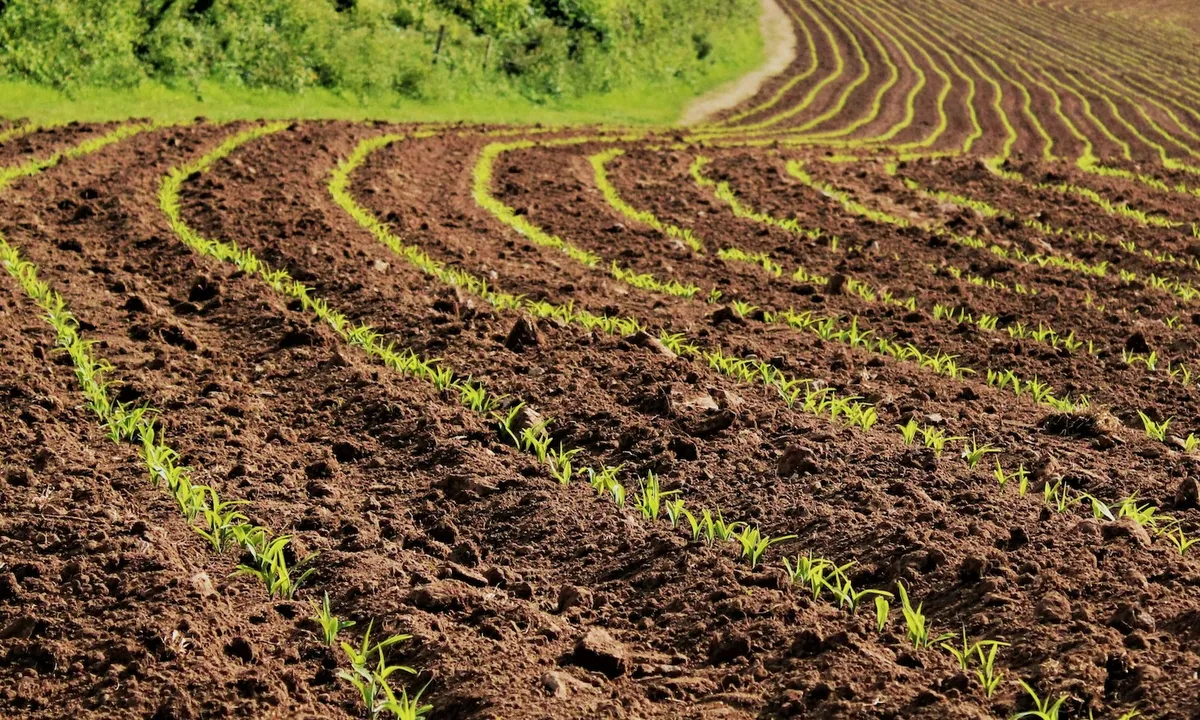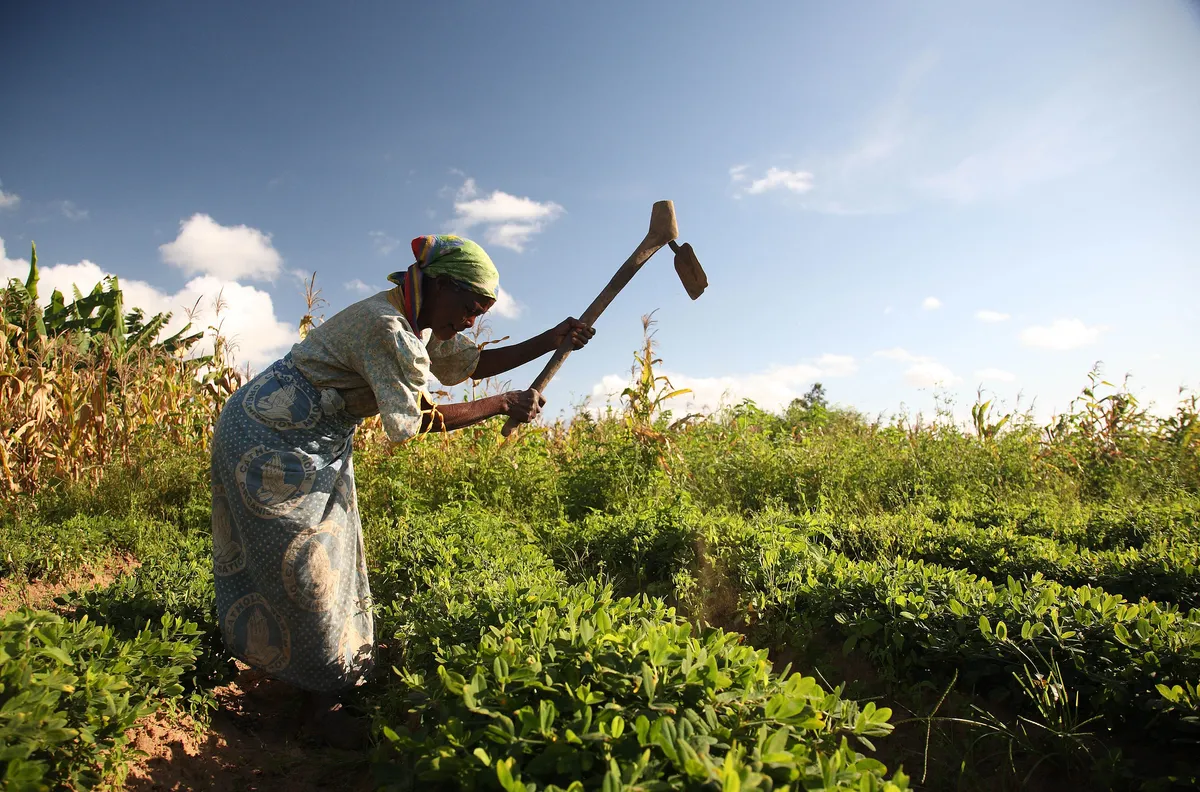
Most farmers in Malawi's Chiradzulu district stick to maize. It’s reliable, it sells. Then there’s Diana Sitima, who apparently didn't get the memo. On her 8.6-acre farm, she’s running a diversified agricultural empire that includes everything from fruit trees to fish ponds, plus enough livestock to keep things interesting. And the soil? Thriving, thank you very much, without a chemical in sight.
Sitima’s secret sauce isn’t just variety, though that certainly helps. It’s also secure land ownership, which, as she’ll tell you, changed everything. She started this whole adventure in 1993, a side hustle while pushing papers as an office assistant. Small loans, rented land, the usual grind. But by 2006, she’d saved enough to buy her own slice of earth. Let that satisfying number sink in: $1,200 in sales each week.
Her farm is practically a self-sustaining ecosystem. Animal waste gets turned into biogas for cooking and powers an egg incubator, because why not? Aquatic ferns feed the livestock. It's the kind of closed-loop efficiency that makes you wonder if your own kitchen compost bin is really pulling its weight. This isn't just good for the environment; it’s good for the bottom line, providing six full-time jobs and a steady stream of income.
We're a new kind of news feed.
Regular news is designed to drain you. We're a non-profit built to restore you. Every story we publish is scored for impact, progress, and hope.
Start Your News DetoxSitima credits her success to a relentless pursuit of knowledge, working with government advisors for two decades. Which, if you think about it, is a pretty solid long-term strategy. But she’s not keeping all that wisdom to herself. She’s also a mentor and chairperson for a local chapter of the Rural Women’s Assembly, a network supporting nearly 200,000 small-scale women farmers across 11 countries.
So, while everyone else is still debating the best way to grow a single crop, Sitima is out there proving that sometimes, the best path forward is to grow a little bit of everything, own your dirt, and share the knowledge. Because apparently, that’s where the real harvest is.