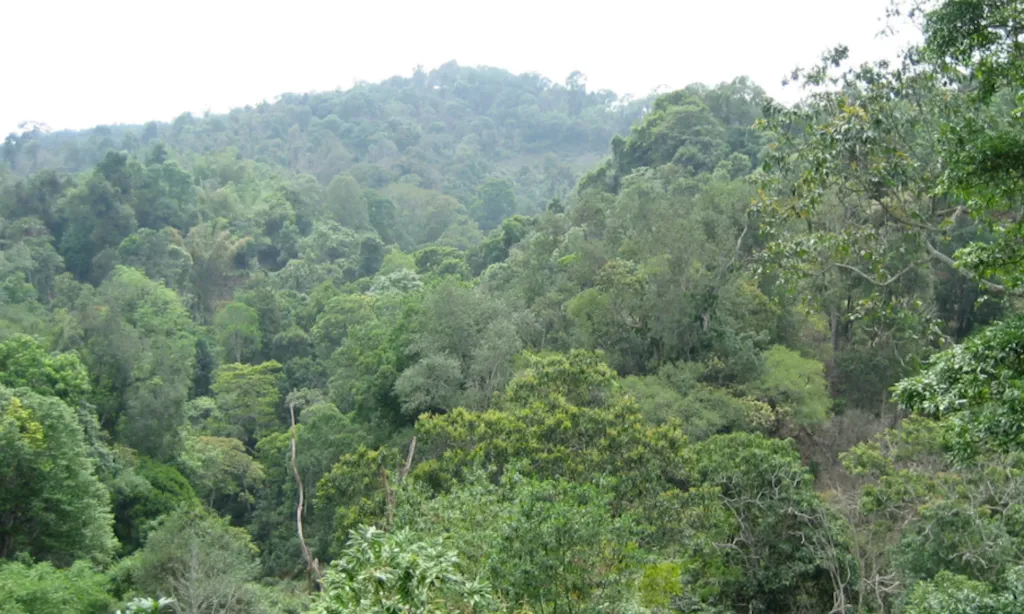
Twenty years ago, a cup of tea in the mountains of southwestern Yunnan changed everything. It wasn't just tea; it was a liquid snapshot of its entire ecosystem. Picture this: tea trees not in neat, militaristic rows, but mingling with fruit trees, draped in fungi, moss, and orchids. Birds singing, people harvesting, a whole vibrant world captured in a leaf.
That first sip was bitter, then it mellowed into a sweet, honeyed warmth. It was the high elevation, the sun and shade, the mist, the soil, even the microscopic life on the leaves. And, crucially, the wisdom of generations of communities who've tended this land. Apparently, you can taste all that.
The Ultimate Terroir: Your Dinner Plate
Indigenous Akha communities in these mountains have been perfecting this for centuries, shaping their land into a mosaic of gardens, paddies, forests, and orchards. They understood food not as a commodity, but as a living conversation between species, seasons, and ecosystems. Which, if you think about it, is both impressive and slightly terrifying for anyone who thought a cucumber was just a cucumber.
We're a new kind of news feed.
Regular news is designed to drain you. We're a non-profit built to restore you. Every story we publish is scored for impact, progress, and hope.
Start Your News DetoxThis isn't some abstract concept; it's molecular. Food translates biodiversity, climate, soil, microbes, and culture into the very molecules that give us flavor, nourishment, memories, and health. Sunlight gets stored in sugars. Grasses become the fat in grazing animals. Microbes turn milk and grain into new, delicious forms. It's a grand chemical opera, and we're the audience (and the stage).
Here's the kicker: many of the molecules we find delicious first evolved as defense mechanisms. That bitterness? A plant saying, "Maybe don't eat all of me." That heat? A spicy warning. Other molecules protect plants from UV rays or even call for help when under attack. What we taste as aroma or heat are, in fact, millions of years of evolutionary survival strategies. So next time you're enjoying a spicy meal, you're essentially savoring a plant's very dramatic cry for help.
Take tea plants: they produce catechins for defense and terpenes for communication. These molecules literally shift based on climate, elevation, and how they're farmed. We, the humble humans, experience these environmental shifts directly through flavor and how it nourishes us. Food, in essence, is the landscape, transformed, inside of us.
And it's not just plants. On the Tibetan Plateau, yaks munch on alpine grasses and wildflowers, turning them into milk that carries the unique signature of its location and season. Tibetan communities can tell when yak butter comes from higher, "more medicinal" elevations. Historically, this butter was mixed with fermented pu-erh tea, creating a delicious, potent blend of grasslands and tea forests. Because apparently that's where we are now: drinking the entire ecosystem.
Along the Pacific coast, halibut and rockfish carry the chemistry of kelp forests and the cold ocean itself. Their fats and proteins are shaped by tiny ocean plants and the marine food web. It's a biological passport, right there in your seafood dinner.
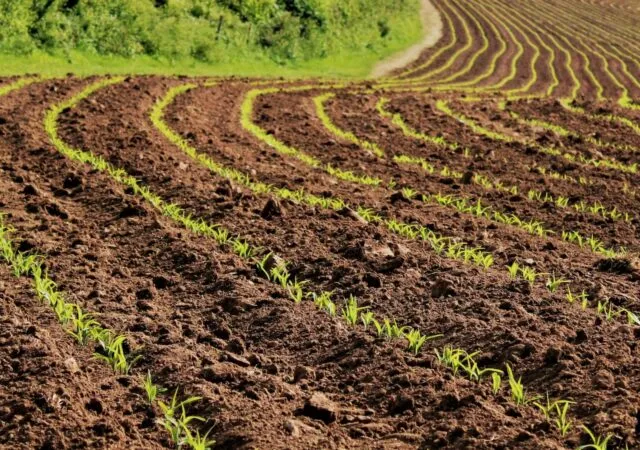
Then there's fermentation, the ultimate microbial collaboration. Bacteria and fungi break down molecules, making food easier to digest, more flavorful, and more active. These preservation methods are ancient partnerships that create entirely new tastes and health benefits. Our ancestors knew this through their senses; now science just gives it fancy names.
These molecules, from different foods, meet inside us. They influence our senses, our cells, and our connection to the living world. Those tea plant molecules that help them survive? They might also help reduce inflammation in our bodies. Our microbiome, the unseen bustling city of microbes within us, reacts to these molecules, sending signals that influence our mood, energy, and resilience.
Inside our cells, mitochondria dutifully turn these biomolecules into life energy. What started as a plant's survival tactic, an animal's way of using the land, or a microbe's transformative power, has evolved with human culture. Through farming, cooking, and fermentation, we learned to work with these living processes. We shape food, and food, quite literally, shapes us.
This connection is most palpable in healthy ecosystems. The air in regenerative orchards smells of ripening fruit. Yak butter on the Tibetan Plateau carries the essence of alpine herbs. Wild huckleberries in Montana glow with pigments that protect them from the sun. Through aroma, texture, and taste, we can sense the rainfall, the altitude, the soil health, and the human care that went into it all.
Eating, then, is an act of profound connection. It links us to the sun, the soil, the farmers, the foragers, the microbes, and the animals. It connects us to those who came before us and those yet to come. The molecules that make up our bodies were once forests, fields, pastures, and oceans. For a time, we carry these living worlds within us. We are not separate from the living world; we are its delicious, biological embodiment.