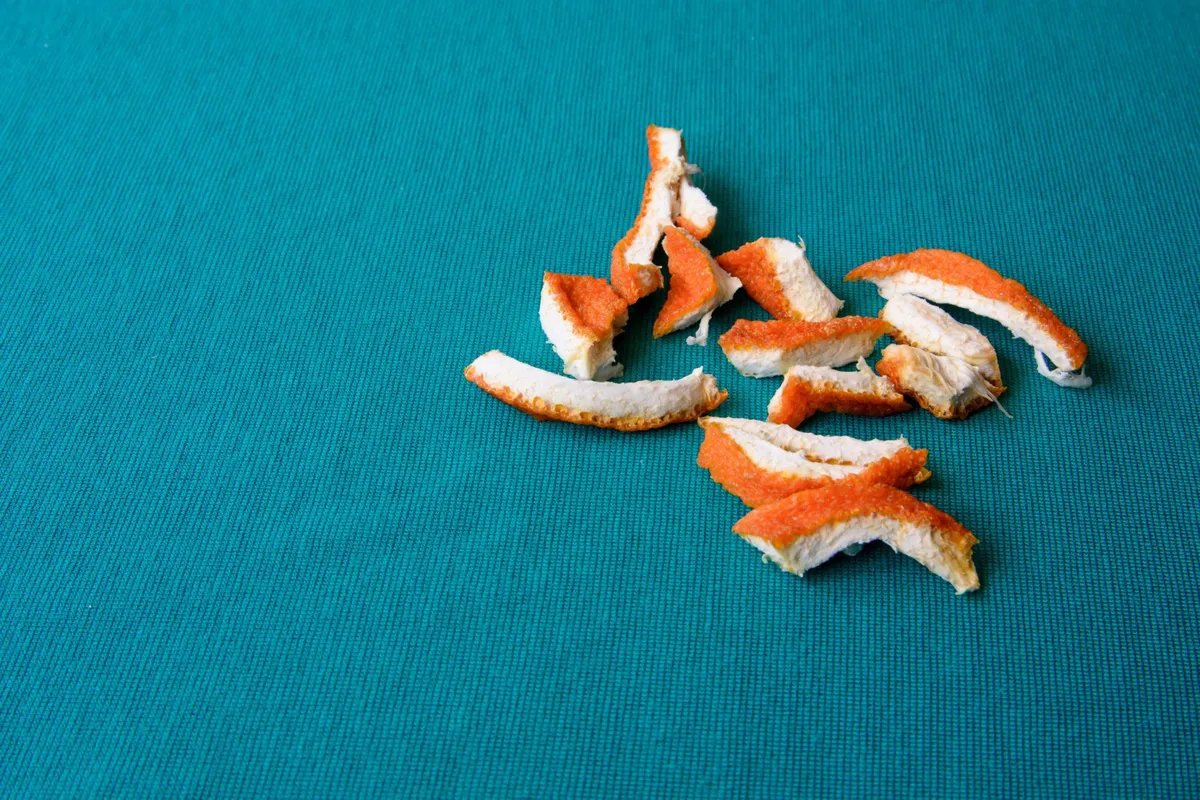
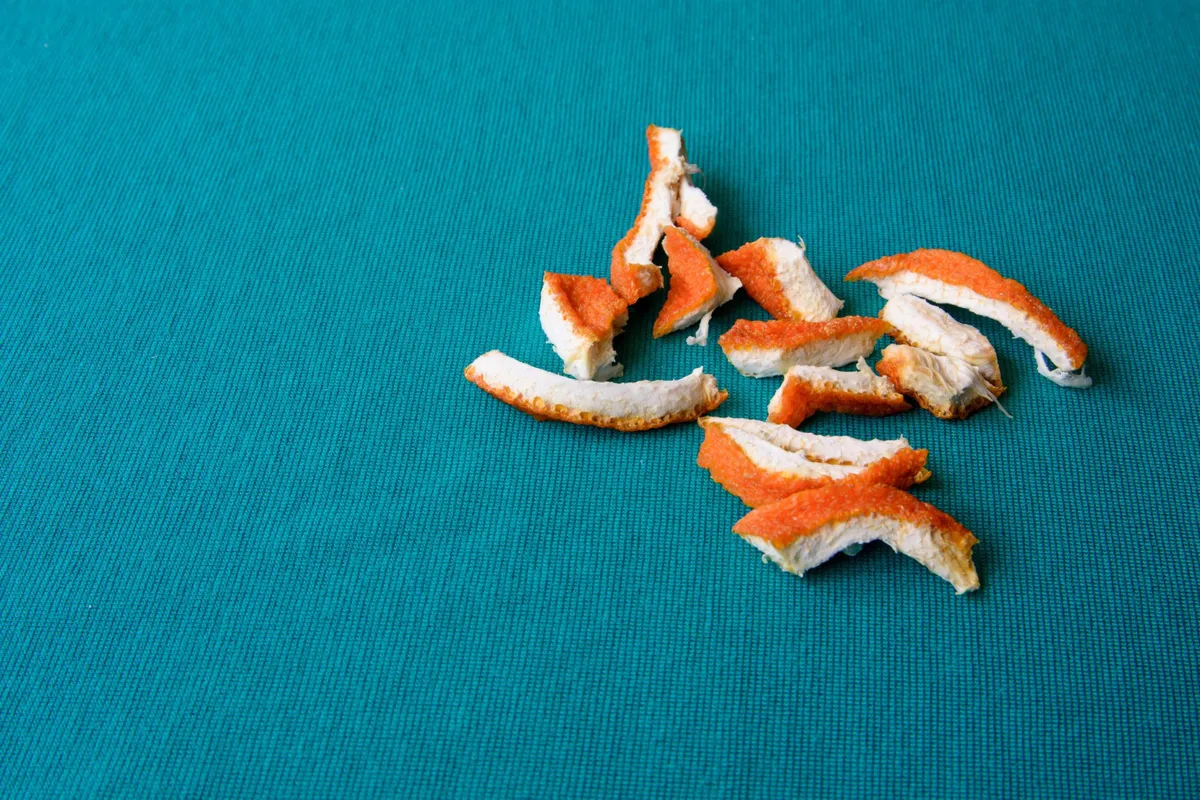
Every time you peel an orange, you're probably tossing a miniature superhero into the trash. Because those vibrant rinds? They're packed with limonene, essential oils, and citric acids — basically, a gardener's secret weapon hiding in plain sight.
Turns out, your kitchen waste is about to get a serious glow-up. Anna Ohler, the green-thumbed guru behind Bright Lane Gardens, sees them as an effortless way to both reuse and enrich your soil. Who knew your snack could double as a garden upgrade?
Unexpected Garden Hacks
First up: your compost pile. Forget fancy additives. Orange peels, when chopped into smaller pieces, break down beautifully, adding a lovely shot of nitrogen and potassium to your soil. Ohler just tosses them in, letting them slowly do their thing. Just a heads-up: if you're a worm-composting enthusiast, steer clear. The oils and acidity are a no-go for your subterranean friends. For everyone else, go forth and compost.
We're a new kind of news feed.
Regular news is designed to drain you. We're a non-profit built to restore you. Every story we publish is scored for impact, progress, and hope.
Start Your News DetoxThen there's the pest control angle. Justine Reichman, CEO of NextGen Purpose, points out that the citrus oils are natural insect repellents. We're talking ants, mosquitoes, even those pesky aphids, according to Ohler. These oils mess with insect nervous systems — no harsh chemicals required. The only catch? They evaporate, so you'll need to refresh them regularly. Because apparently, even natural solutions require a commitment.
Oh, and your grimy garden tools? Orange peels to the rescue again. Their natural antimicrobial properties, thanks to citric acids, can scrub bacteria and fungi from your trowels, seed trays, and watering cans. Consider it a spa day for your gardening gear, sans the weird cucumber slices.

The Fine Print (Because There's Always Fine Print)
Crucial rule: don't go overboard. Too much citrus in one spot can make your soil overly acidic, and most plants aren't huge fans of a sour environment. Ohler's advice is simple: "the key is not overdoing it." This applies to lemons and limes too. Because even good things can become… a lot.
Got some less-than-pleasant garden aromas? (Looking at you, compost bins and manure piles.) Fresh or dried orange peels are excellent odor neutralizers. Zest 'em first for maximum oil release, or pop dried peels into sachets for a longer-lasting scent outdoors. Your nose will thank you.
And for those battling feline trespassers, some gardeners swear by orange peels to deter cats. Ohler, however, says it's been "hit or miss" in her experience. So, worth a shot, but maybe don't bet the farm on it.

Just remember, fresh peels can attract slugs and raccoons (who apparently enjoy a good citrus snack). They also dry out fast, losing their pest-repelling power before they fully decompose. Start small, replace often, and think of them as a short-term boost rather than a permanent solution. Your garden (and your trash can) will thank you.