In the Netherlands, if you've got a handful of discarded cigarette butts, you can now exchange them for a warm, delicious serving of poffertjes — those delightful mini Dutch pancakes. Yes, seriously. This isn't some bizarre social experiment; it's WasteBar, a mobile cart that's turning litter collection into a surprisingly appealing transaction.
Because apparently, the promise of a sweet treat is enough to get people to pick up other people's trash. Who knew?
The Unsung Villain: The Cigarette Butt
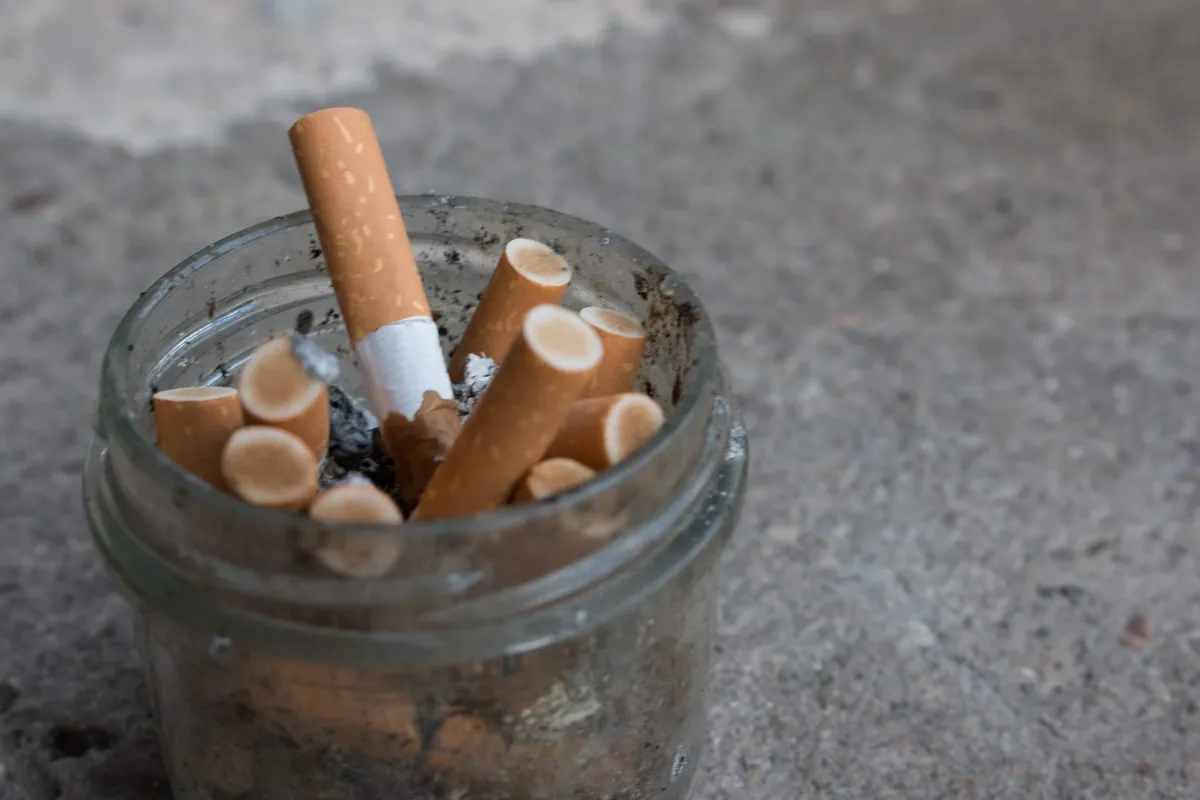
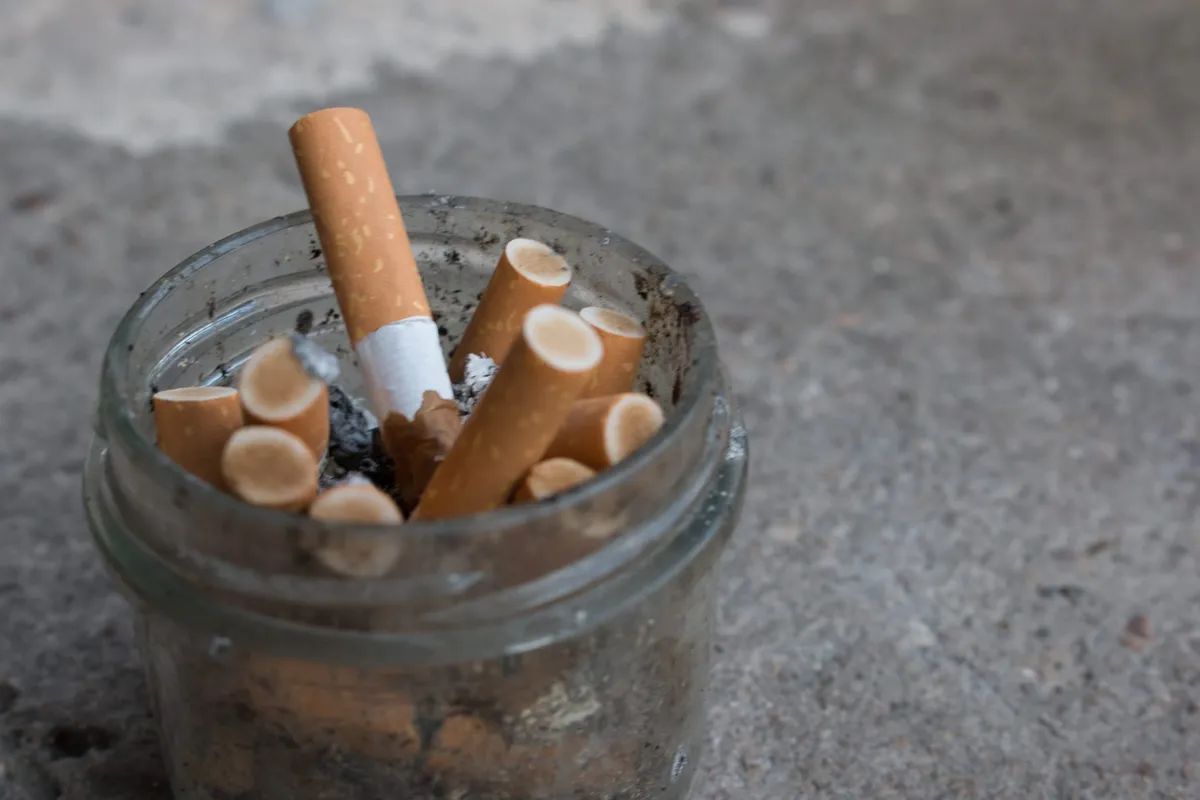
Each year, the Netherlands is buried under five to ten billion cigarette butts. Let that satisfyingly large, also incredibly grim, number sink in. These aren't just ugly bits of litter; they're plastic — cellulose acetate, to be precise — taking up to a decade to break down. As they slowly vanish, they generously leach nicotine and heavy metals into the soil and water. A real party favor for the planet.
We're a new kind of news feed.
Regular news is designed to drain you. We're a non-profit built to restore you. Every story we publish is scored for impact, progress, and hope.
Start Your News DetoxWasteBar is a collaboration with artist Angelina Kumar and UPPACT, an organization that recycles plastic waste into new products. Kumar, not content with just talking about the problem, created an art installation called Het Peukenbos (The Cigarette Butt Forest) using over half a million collected butts. It was on display in Utrecht until September 2025, with a goal of hitting a million butts by 2026 to turn into a recycled bench or garden set. Which, if you think about it, is both impressive and slightly terrifying.
When you approach the WasteBar cart, you don't just get your poffertjes and a nod. The team engages you in a casual chat about the environmental impact of cigarette butts and even offers tips on how to separate and recycle other waste. It's a masterclass in stealth education: come for the pancakes, leave with a newfound eco-consciousness.

It might sound absurd — trading toxic waste for a snack. But the results speak for themselves. The Netherlands generates about 50 million kilograms (that's 110 million pounds) of litter annually. And this little cart has found a way to make cleaning up feel, well, rewarding. Environmental actions often feel thankless, a solitary battle against a tide of apathy. But a warm, sugary bribe? Turns out, that's a universal language. Whether it's ten butts or a hundred, the streets get cleaner, and someone gets a treat. And honestly, isn't that a win for everyone?