Good news, everyone: Turns out you can actually do good and make money. Regenerative Organic Certified (ROC) products, the kind that heal the planet while growing your dinner, saw a 22% jump in sales last year. Because apparently, people like food that doesn't actively destroy the soil it came from. Who knew?
Leading this charge is Patagonia Provisions, the food arm of the outdoor gear giant. They're not just selling granola; they're trying to dismantle what General Manager Paul Lightfoot calls the "fossil fuel based farmland system." He's even coined a term for its output: "fossil foods." Which, if you think about it, is both accurate and slightly terrifying.
Patagonia Provisions' mission is to prove that sustainable, delicious, and profitable can all live in the same grocery cart. Think ROC wheat crackers, bison sticks, and tinned fish. "It’s all showing that we could be commercially successful with these products that make things better instead of worse," Lightfoot says. Let that satisfying number sink in.
We're a new kind of news feed.
Regular news is designed to drain you. We're a non-profit built to restore you. Every story we publish is scored for impact, progress, and hope.
Start Your News DetoxOf course, it hasn't all been smooth sailing. Lightfoot admits they've occasionally gotten a little too excited about environmental impact and forgotten to make sure the food was, you know, something people actually wanted to eat. A minor detail, perhaps.
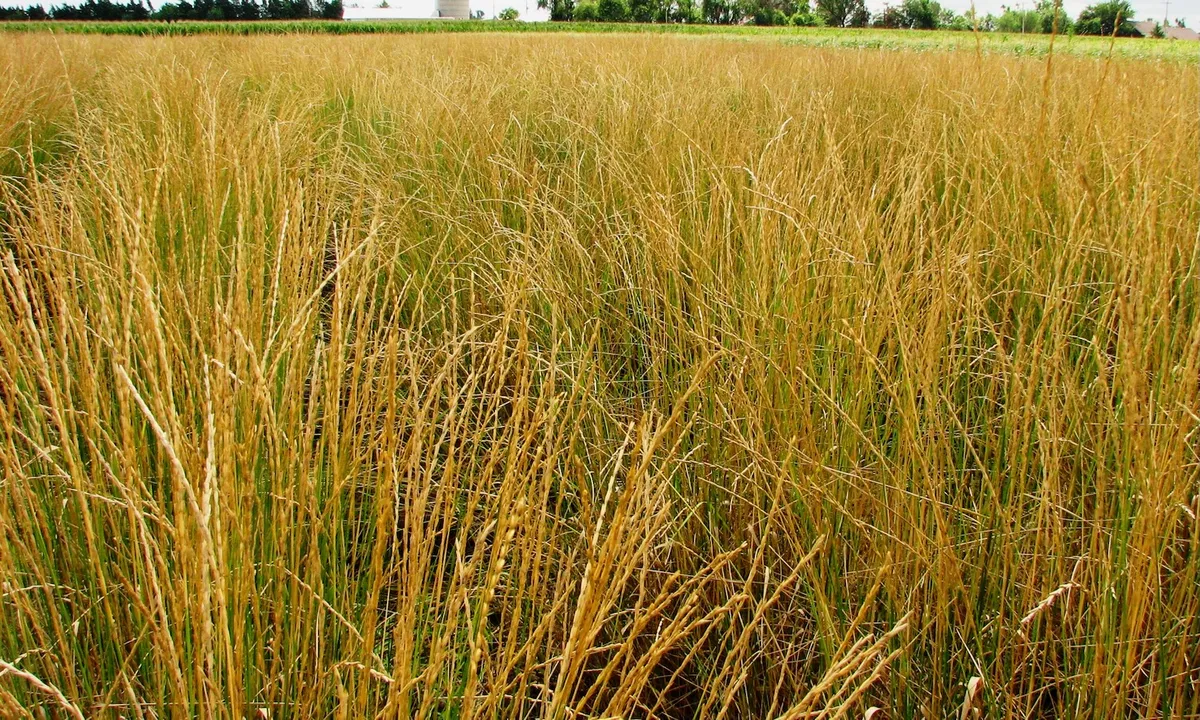
Enter Kernza, a perennial grain with superhero roots that lock carbon into the soil. Sounds perfect, right? Only problem: Kernza yields are lower than wheat, making it pricier. Patagonia Provisions once made Kernza pasta. Employees loved it, but it was expensive and didn't quite fit the "active, outdoor lifestyle" vibe of their customers. So, the pasta went bye-bye.
But don't count Kernza out yet. It's found its true calling in beer, apparently. Patagonia's Kernza beers are flying off the shelves. The Land Institute is still working on getting Kernza yields up to wheat levels, a "really long bet" that might take another decade. But Patagonia Provisions is in it for the long haul.
"We’re willing to do things that are risky and hard…We feel like it’s on us to do things that others won’t do that we think will work," Lightfoot explains. Which is a nice way of saying: they're betting on a future where good food doesn't have to trash the planet. And so far, it seems to be paying off.