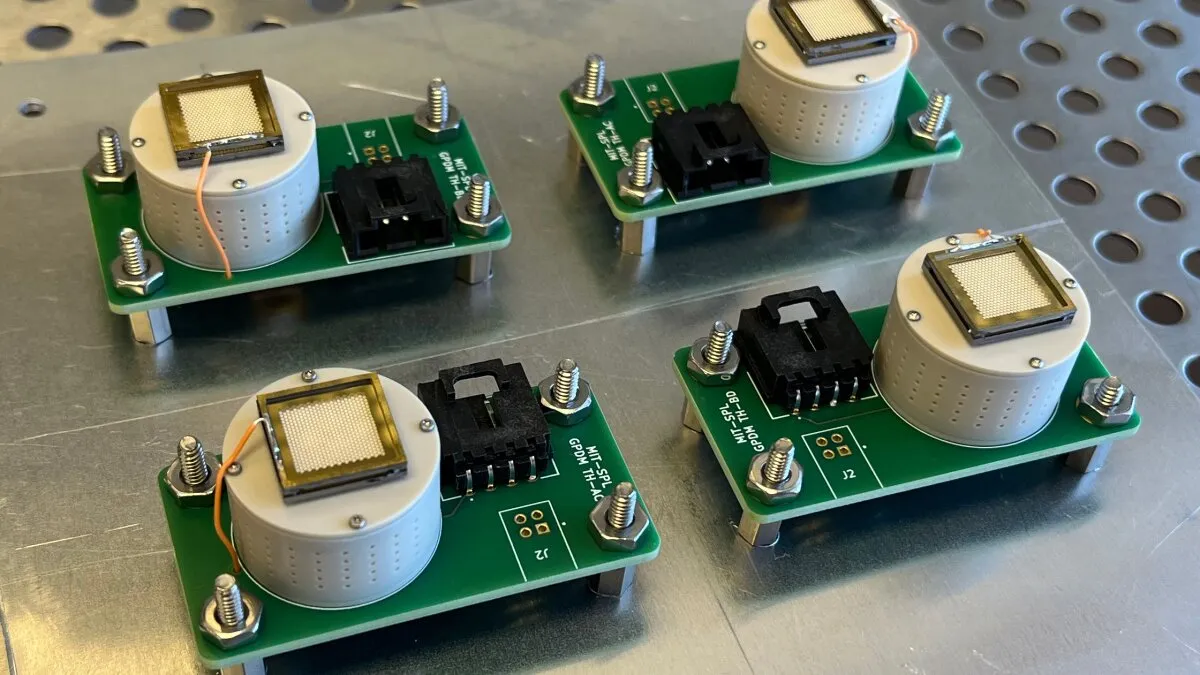
Engineers at MIT have tested a new propulsion system for small satellites. This system combines the power of chemical rockets with the efficiency of electric thrusters. Both types of thrusters use the same fuel.
This technology could help send small, briefcase-sized spacecraft to Mars and beyond. These small satellites are cheaper to launch than traditional ones. However, they usually need two separate fuel systems for different maneuvers.
Chemical thrusters provide a strong, fast push. This is good for quickly changing a satellite's orbit. Electric thrusters, specifically electrospray thrusters, are very fuel-efficient but slow. They are useful for small adjustments or for gradually speeding up a spacecraft over a long time. This makes them good for long trips between planets.
We're a new kind of news feed.
Regular news is designed to drain you. We're a non-profit built to restore you. Every story we publish is scored for impact, progress, and hope.
Start Your News DetoxA Single Fuel for Two Systems
These two types of thrusters work well together, but they haven't been combined in small satellites until now. The breakthrough came from a propellant called ASCENT. The US Air Force developed ASCENT as a safer replacement for hydrazine, a toxic chemical used in rockets.
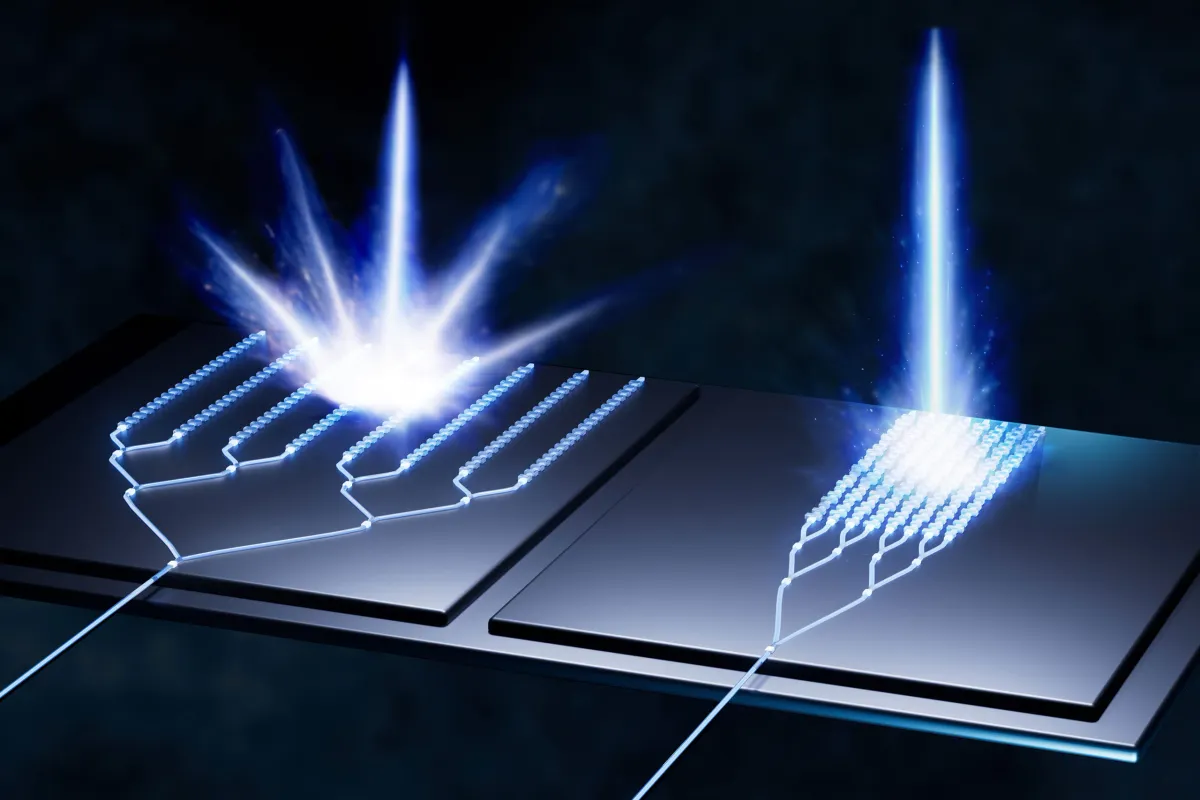
ASCENT was made for chemical thrusters. However, it has a special property: it's an ionic liquid. Ionic liquids are salts that stay liquid even in space. This stability makes them perfect for electrospray thrusters. These thrusters use an electric field to charge ions in a liquid and then shoot them out to create thrust.
Professor Paulo Lozano's lab at MIT has been working on electrospray thrusters for over 10 years. Amelia Bruno, the lead author of the study, realized that ASCENT could work with their thrusters. The study was published in the Journal of Propulsion and Power.
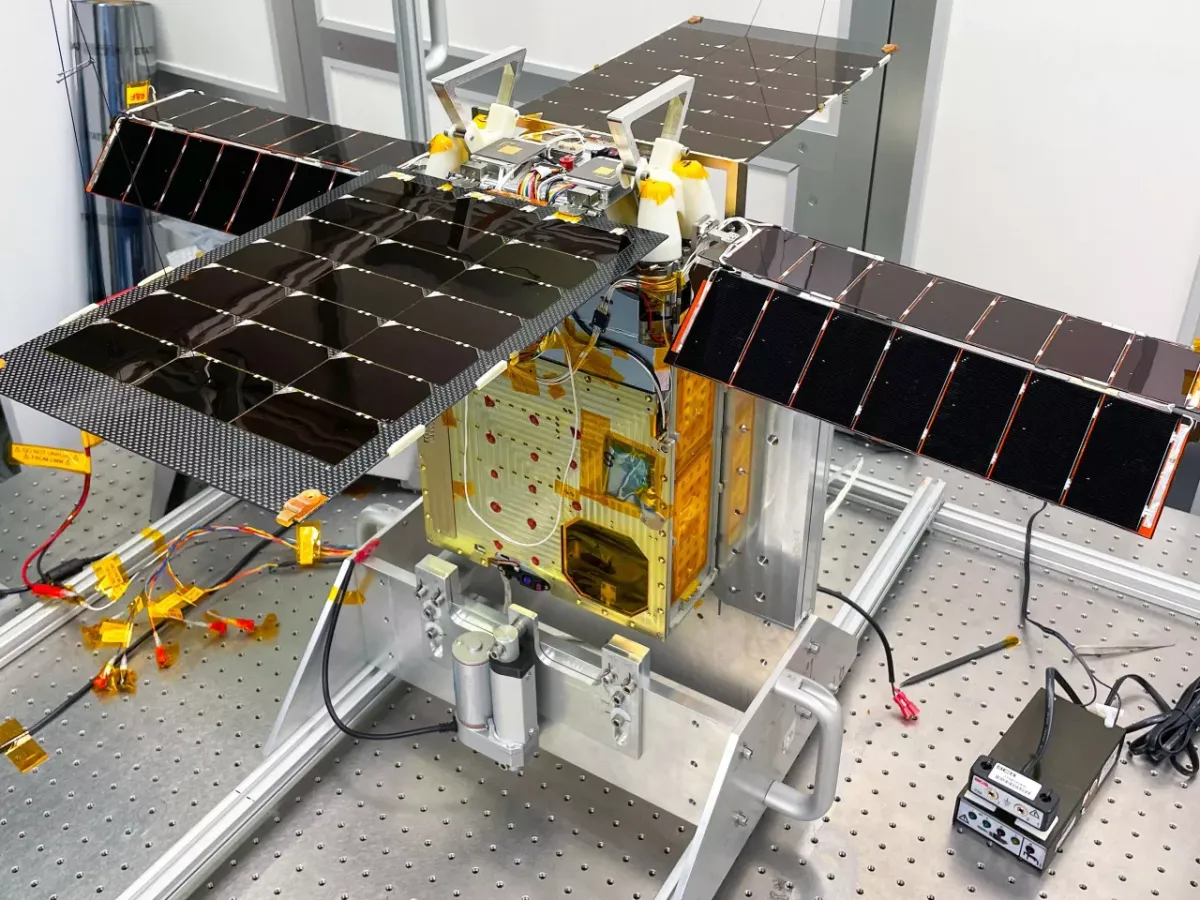
The team put a gram of ASCENT into small tanks on a CubeSat. They tested the satellite on a magnetic levitation platform, which simulates space. They fired the electrospray thrusters at different voltages.
Promising Results and Future Plans
ASCENT performed well, providing a thrust-to-power ratio of 40–65 micronewtons per watt. It also showed a specific impulse of 600 seconds and an overall efficiency of 15%. The thrusters ran for up to 167 hours without any issues.
Bruno noted that ASCENT provides similar thrust performance to their usual electrospray propellants. The team is now looking for ways to improve the thrusters even more.
The next step is to test the system in space. MIT is working with NASA on the Green Propulsion Dual Mode mission. This mission will send a CubeSat with one chemical thruster and four electrospray thrusters. All will share a single ASCENT fuel tank. This launch is planned for later this year.
If successful, this technology could have many uses. It could help deploy satellite groups to track hurricanes. It could also send CubeSats to Mars or the asteroid belt. These small satellites could travel slowly using electrospray thrusters. Then, they could use chemical thrusters to quickly move and study interesting features.
Deep Dive & References: New propulsion system could make tiny satellites fast, fuel-efficient - MIT News, 2024 Advanced SpaceCraft Energetic Non-Toxic (ASCENT) Propellant for Electrospray Thrusters - Journal of Propulsion and Power, 2024 Making Future Satellite Fuel Today - NASA Spinoff, 2024