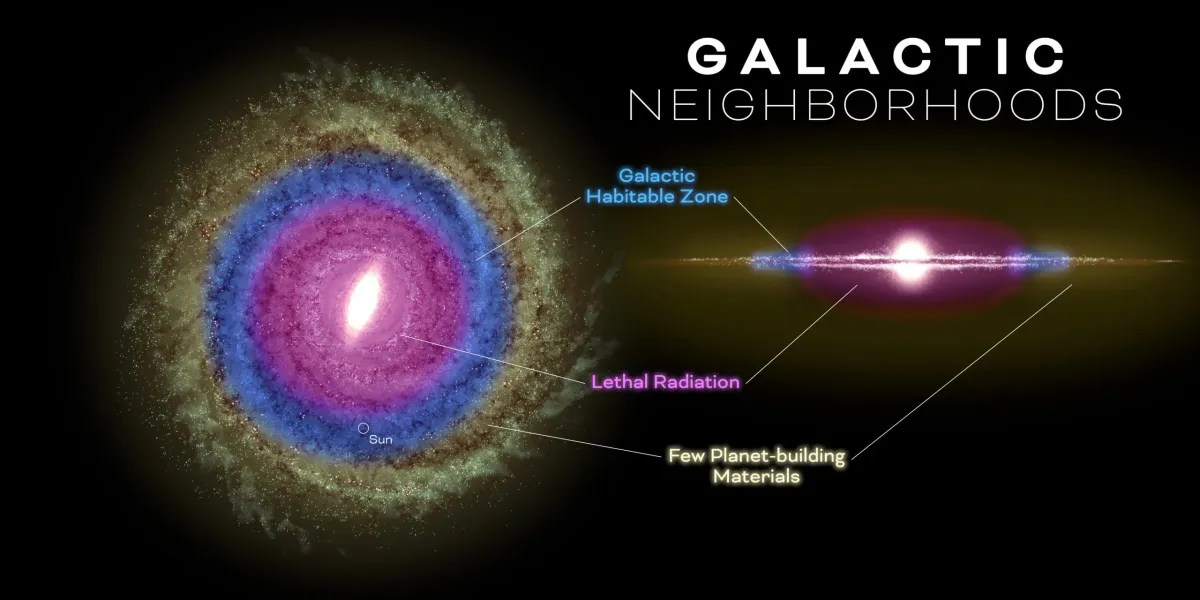
NASA's Nancy Grace Roman Space Telescope is set to find about 100,000 new exoplanets. These are planets outside our solar system. So far, nearly 6,300 exoplanets have been found.
The Roman telescope will look in parts of the Milky Way galaxy that haven't been explored much before. This could change what we know about how planets form across the galaxy.
Elisa Quintana, a researcher at NASA's Goddard Space Flight Center, leads a team preparing for Roman's observations. She noted that we've mostly searched for exoplanets in our own cosmic neighborhood. Roman will expand this search to other galactic areas. This will help scientists understand how planet formation changes in different parts of the Milky Way.
We're a new kind of news feed.
Regular news is designed to drain you. We're a non-profit built to restore you. Every story we publish is scored for impact, progress, and hope.
Start Your News DetoxMost known exoplanets are within a few thousand light-years of Earth. Roman will look much farther, towards the dense center of the Milky Way and even to its far side.
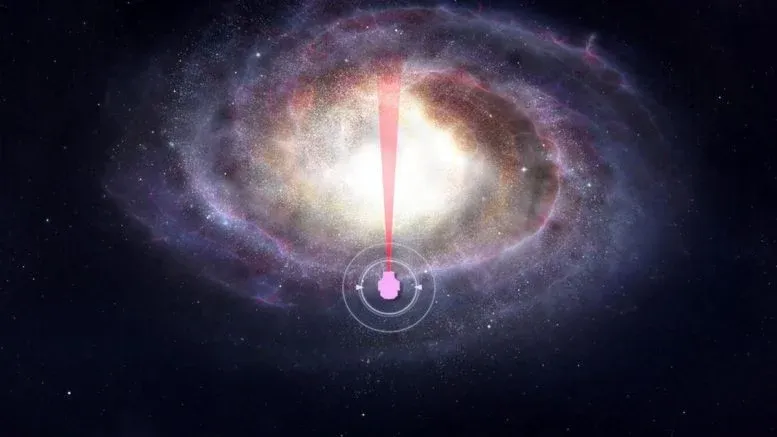
Our solar system is in the outer part of the Milky Way, on one of its spiral arms. A study by the Kepler Space Telescope found that stars on the galaxy's edges have fewer common types of planets. Roman will look towards the galaxy's center, which could reveal different findings there.
How Roman Will Find New Worlds
Roman will watch millions of stars for changes in their brightness.
One way is by looking for "transits." This is when a planet passes in front of its star, causing a slight dip in the star's light. This method is good for finding large, hot planets. Roman expects to find about 100,000 planets this way.
Another method is "microlensing." This happens when the gravity of a star and its planets briefly magnifies the light from a star farther away, making it appear brighter. Microlensing is great for finding planets that orbit farther from their stars, even those as small as Earth or Mars. It can also find planets in a star's habitable zone. Roman expects to find over 1,000 planets using microlensing.
Together, these methods will give a wider view of how planets form and change across the Milky Way. This includes the region where our own solar system might have started.
Learning About Earth's Cosmic Past
Our solar system is about 27,000 light-years from the Milky Way's center today. Scientists think it formed about 10,000 light-years closer to the center and then moved outwards.
This idea comes from the Sun's chemical makeup. Elements heavier than hydrogen and helium are called "heavy elements." These are made inside stars. As stars live and die, these heavy elements become more common.
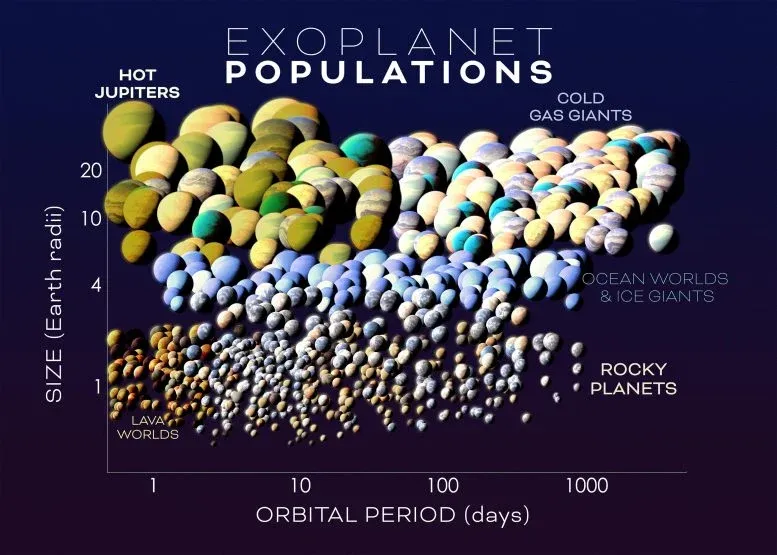
Stars in the outer Milky Way usually have fewer heavy elements. Stars in the galactic center are often older and have more elements like silicon, oxygen, and magnesium. These chemical differences can affect the planets that form around those stars. Some systems might have larger planets, rockier worlds, or a different number of planets.
Astronomers have already seen that a star's makeup affects planet formation. Robby Wilson, a fellow at NASA Goddard, noted that stars with more heavy elements tend to have more planets, especially giant ones.
By studying different groups of stars and planets, Roman could greatly improve our understanding of how common planetary systems like ours are in the galaxy. Wilson said Roman will observe hundreds of millions of distant stars. This will let scientists compare faraway planet populations to those nearby.
All data from Roman will be public. This means both professional astronomers and citizen scientists can join the search for new worlds.
Studying Alien Weather and Atmospheres
Roman might also provide information about the atmospheres of thousands of transiting planets.
While telescopes like NASA's James Webb Space Telescope do detailed chemical studies of individual planets, Roman will look at broader atmospheric trends across many worlds. Researchers can compare temperatures, climate patterns, and other atmospheric features on a large scale.
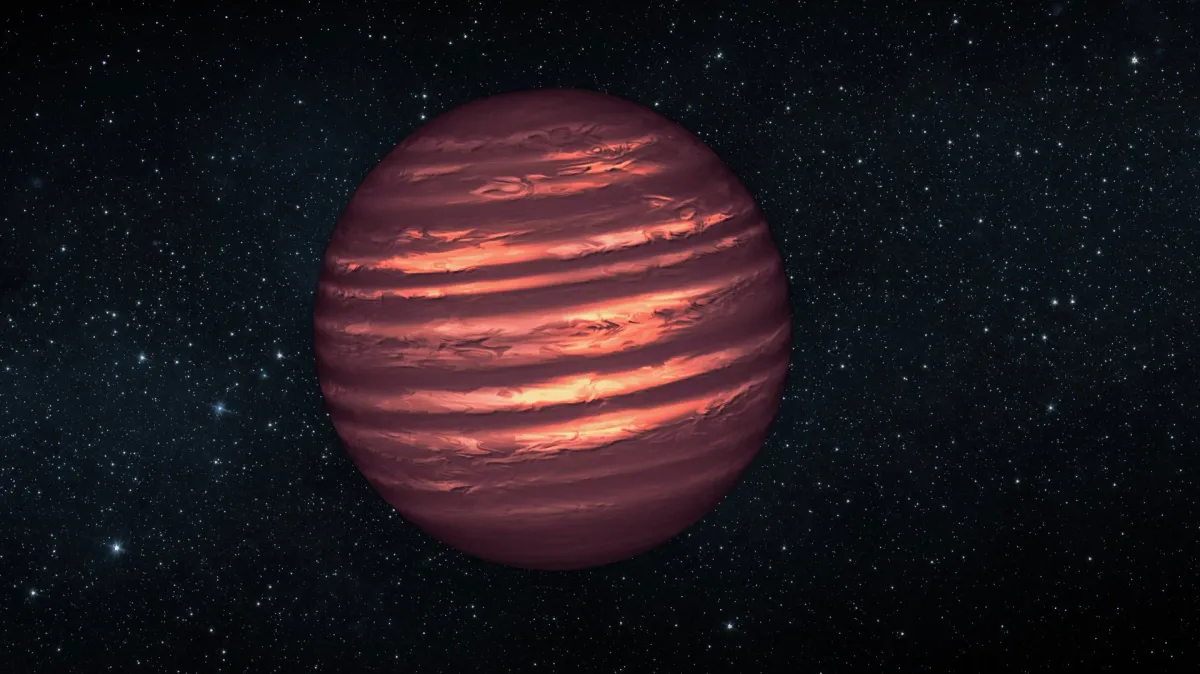
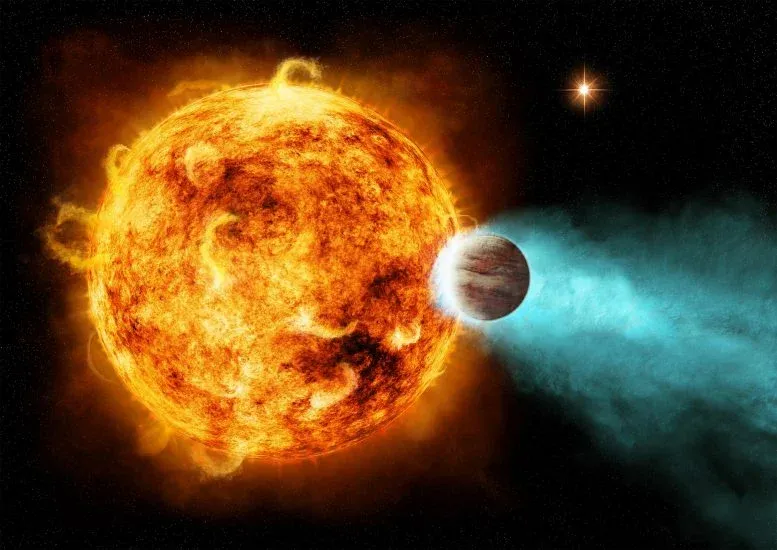
Roman's infrared instruments will be especially useful for studying "hot Jupiters." These are giant planets, about 11 times wider than Earth, that orbit their stars very quickly. Their high temperatures make them emit infrared radiation that Roman can detect.
When a hot Jupiter passes in front of its star, there's a dip in brightness. A second, smaller dip happens when the planet moves behind the star and its light is blocked. Wilson explained that this second dip tells us how bright and hot the planet is. By tracking how the planet's brightness changes, Roman can see differences between the day and night sides, and even detect shifts in the hottest regions. This helps scientists understand atmospheric winds and heat circulation.
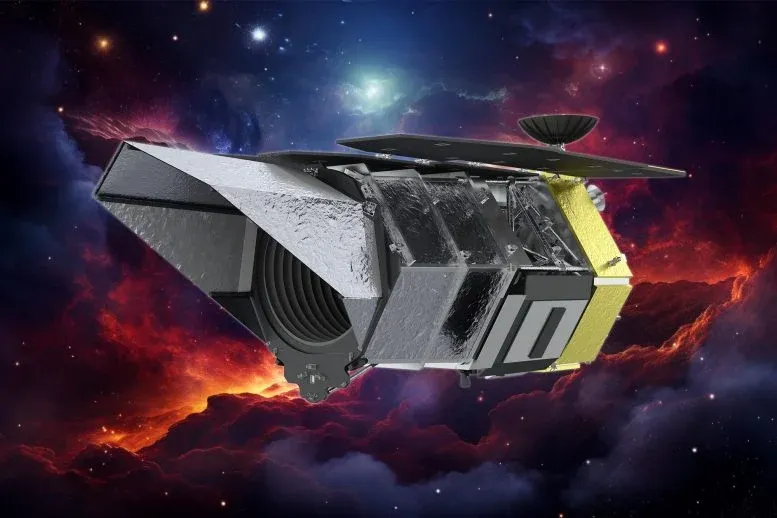
The Next Exoplanet Revolution
Astronomers believe Roman could have a similar impact to NASA's Kepler Space Telescope. Kepler surveyed 100,000 stars over a decade ago and showed that planets are more common than stars in our galaxy.
Jorge Martínez-Palomera, an astronomer at NASA Goddard, said Roman's galactic bulge survey will observe about 100 million stars. It will explore unknown areas of our galaxy. This will create a fundamental dataset that will change what we know about other worlds and our place in the universe.
Deep Dive & References
A Comprehensive Analysis of the Transiting Planet Yield From the Nancy Grace Roman Space Telescope Galactic Bulge Time-Domain Survey - The Astrophysical Journal Supplement Series, 2023