Imagine a viral outbreak hits, and instead of taking years to find a treatment, scientists could churn out potential drug candidates in weeks. That's the rather excellent news coming out of Simon Fraser University, where researchers have figured out how to supercharge antiviral drug discovery. Basically, they've found a cheat code for chemistry.
The secret lies in creating massive collections of nucleoside analogs (NAs). Think of these as the fundamental LEGO bricks of DNA and RNA. They're already used to fight off things like HIV, hepatitis, and even some cancers. The problem? Building these LEGO sets has been painstakingly slow.
A Flash of Brilliance
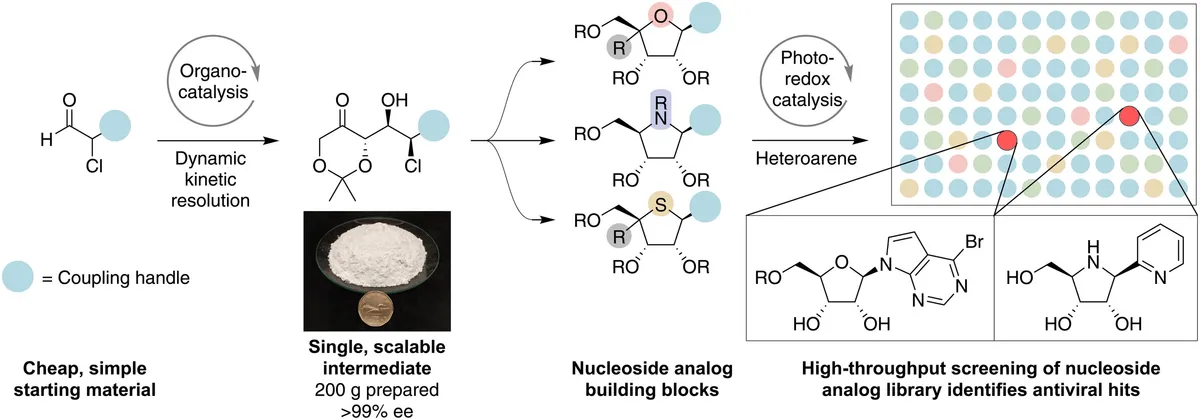
The new method, published in the journal Science, uses light-driven chemistry to build these drug libraries. Robert Britton, a chemistry professor and the lead author, didn't mince words, calling it a "game changer." He pointed out that during a viral crisis, the more compounds you can screen, the better your odds of finding a winner. And this new technique? It can create drug libraries 10 to 100 times larger, in weeks, not months or years.
We're a new kind of news feed.
Regular news is designed to drain you. We're a non-profit built to restore you. Every story we publish is scored for impact, progress, and hope.
Start Your News DetoxBecause apparently, while we've got plenty of painkillers and antibiotics, good antivirals are surprisingly scarce. Which explains why things like COVID-19, Ebola, or hantavirus can go from obscure to utterly terrifying so quickly. Finding a drug that actually works is notoriously difficult.
Traditionally, scientists screen countless molecules, looking for a "hit" they can develop. This is how companies like Merck and Gilead found early COVID-19 treatments. But making those huge libraries of molecules? That's where the chemistry got complicated.
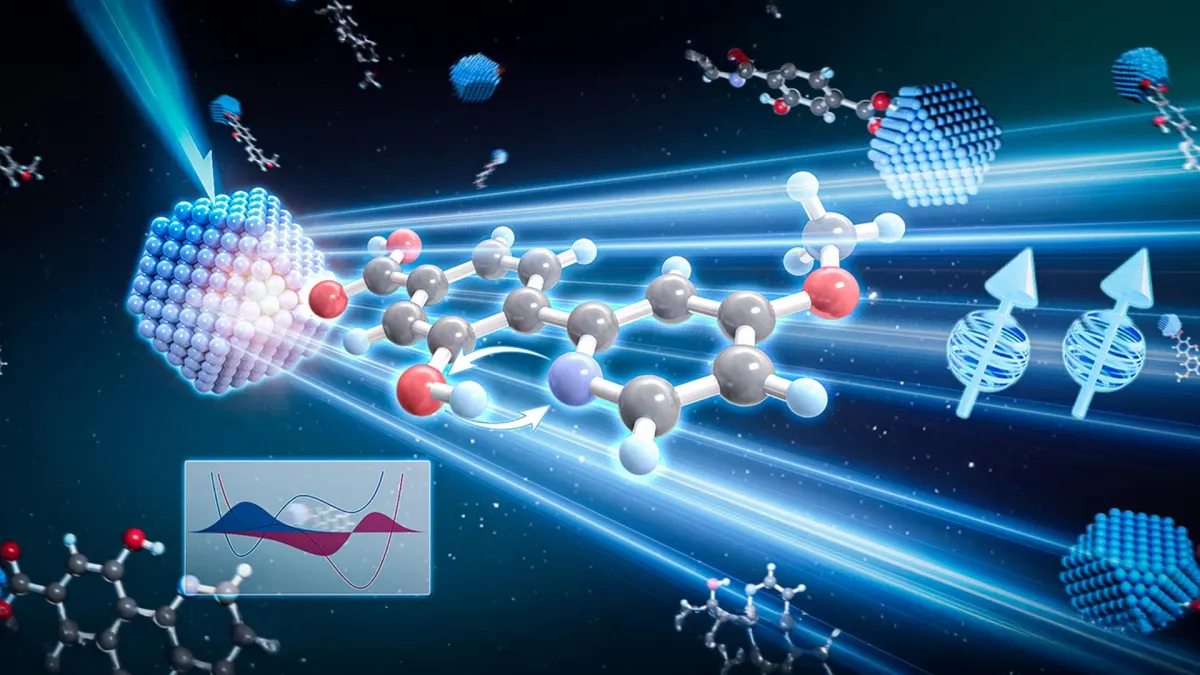
Britton's team, working with scientists from Merck, started with one incredibly versatile molecular building block. Think of it as the ultimate starter LEGO brick, easily mass-produced. Then, they used a light-driven reaction to snap different "nucleobases" onto this core structure. The result? A library of over 70 distinct nucleoside analogs, created at warp speed.
Hitting HIV Where It Hurts
They even tested their shiny new compounds against HIV. Three of them showed activity comparable to existing HIV treatments. And here's the kicker: most of the compounds in their new library were entirely novel. For those that weren't, other groups had taken far longer to synthesize them, and found them much harder to tweak and improve.
Which, if you think about it, is both incredibly promising and a much-needed shot in the arm for future pandemic preparedness. Because the next viral threat probably isn't sending an RSVP. Now we'll have a better chance of being ready for it.