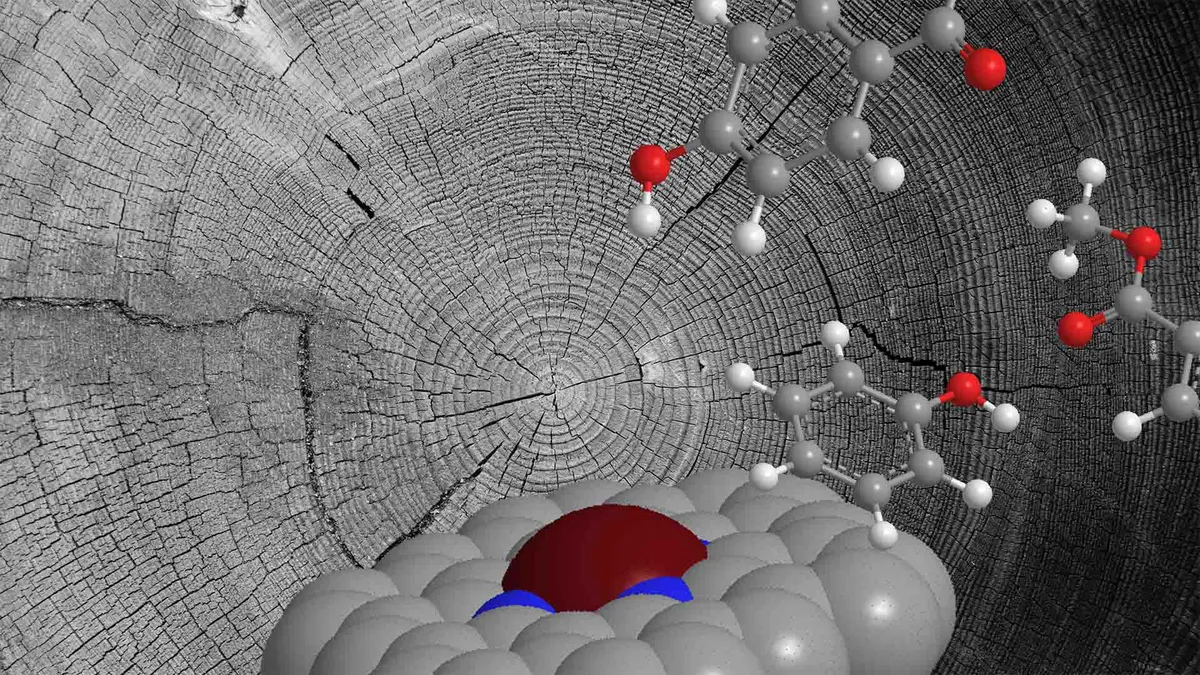
Turns out, the stuff that makes trees stand up straight—lignin, the woody bits in plants—is a bit of a stubborn jerk. Usually, it's a pain to break down, which is a shame because it's everywhere and packed with potential.
But now, an international team of researchers has developed a new catalyst that basically sweet-talks this plant waste into becoming useful chemicals, fuels, and even plastics. Because apparently that's where we are now: turning old wood into new stuff.
Lignin is actually nature's biggest source of aromatic chemicals, which sounds fancy but just means carbon compounds with stable ring structures. Think of it as a microscopic LEGO set with really, really strong glue. Until now, that glue made it tough to process.
We're a new kind of news feed.
Regular news is designed to drain you. We're a non-profit built to restore you. Every story we publish is scored for impact, progress, and hope.
Start Your News DetoxThe Atomic Whisperer
The team, including Dr. Christopher Parlett from the University of Manchester, cooked up a special catalyst designed to break those stubborn bonds. Their findings, which probably involved a lot of coffee and very tiny tweezers, were published in ACS Catalysis.
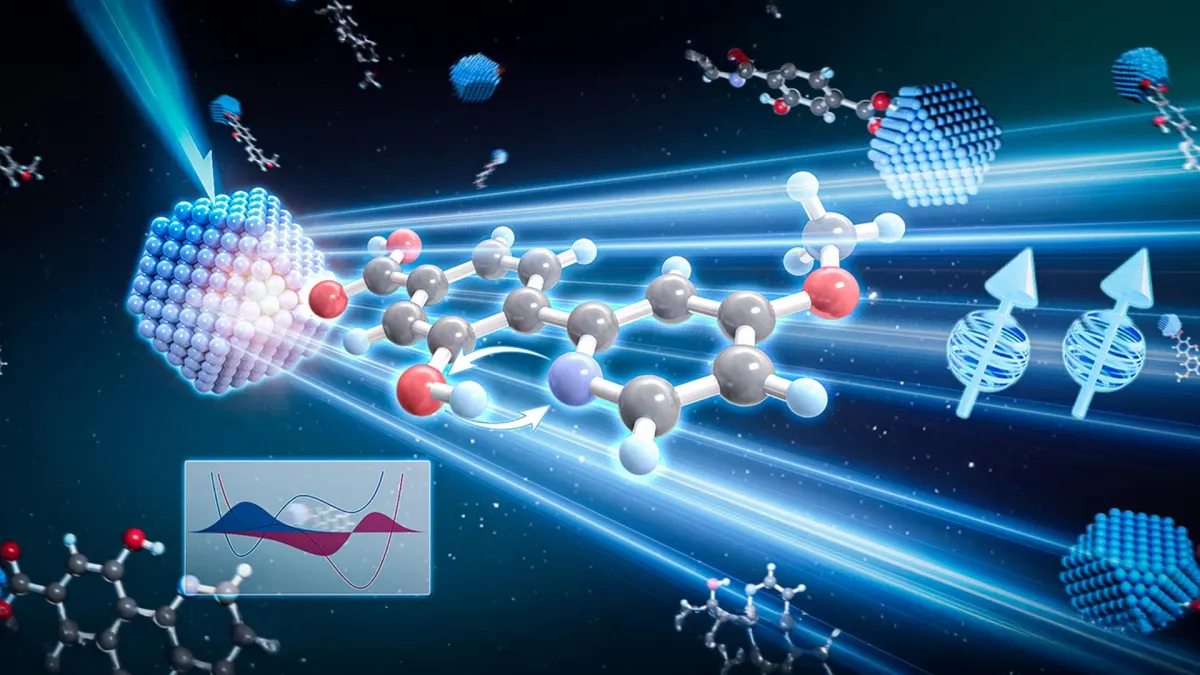
This isn't just any catalyst; it's a "single-atom catalyst." Imagine spreading out your active ingredient, in this case, ruthenium, as individual atoms. Each one is like a tiny, highly efficient ninja, held in place by carbon with added nitrogen atoms. This setup means more bang for your buck, as less metal is needed to get more reactions.
They even pinpointed the exact atomic sweet spot: a "Ru–N₄ site." That's one ruthenium atom chilling out, surrounded by four nitrogen atoms. This creates a special little arena where oxygen molecules, normally pretty chill, get super activated. Once oxygen is fired up, it can go to town on lignin's strong carbon-oxygen and carbon-carbon bonds.
How It Works (Without the Harsh Chemicals)
Through a mix of lab experiments and computer wizardry, the researchers basically watched the catalyst in action. The experiments showed what new chemicals popped out, and the calculations explained the atomic dance that made it all happen.
The verdict? The catalyst activates oxygen, then uses that amped-up oxygen to slice and dice lignin into smaller, more manageable molecules. Under the right conditions, it converted almost all the model lignin compounds and churned out high amounts of valuable chemicals like phenol—a key ingredient in many materials.
Even better, the whole process worked under mild conditions. No harsh chemicals or extreme temperatures needed, which means less energy, less waste, and happier accountants in future manufacturing plants.
They even tried lignin from various plants, and the catalyst was like, "Bring it on." It successfully transformed these real-world samples into useful aromatic compounds. These could become the raw materials for fuels, plastics, and other products currently made from petroleum. Let that satisfying thought sink in.
Understanding how this works at an atomic level means scientists can now design even better materials to process tough plant waste more efficiently. Dr. Parlett noted that this insight is a huge step toward turning renewable resources into valuable chemicals.
Finding practical uses for lignin could transform plant waste from a nuisance into a goldmine, helping us shift away from petroleum and towards a future where we actually reuse our biomass. Which, if you think about it, is both impressive and slightly terrifying in its elegance.