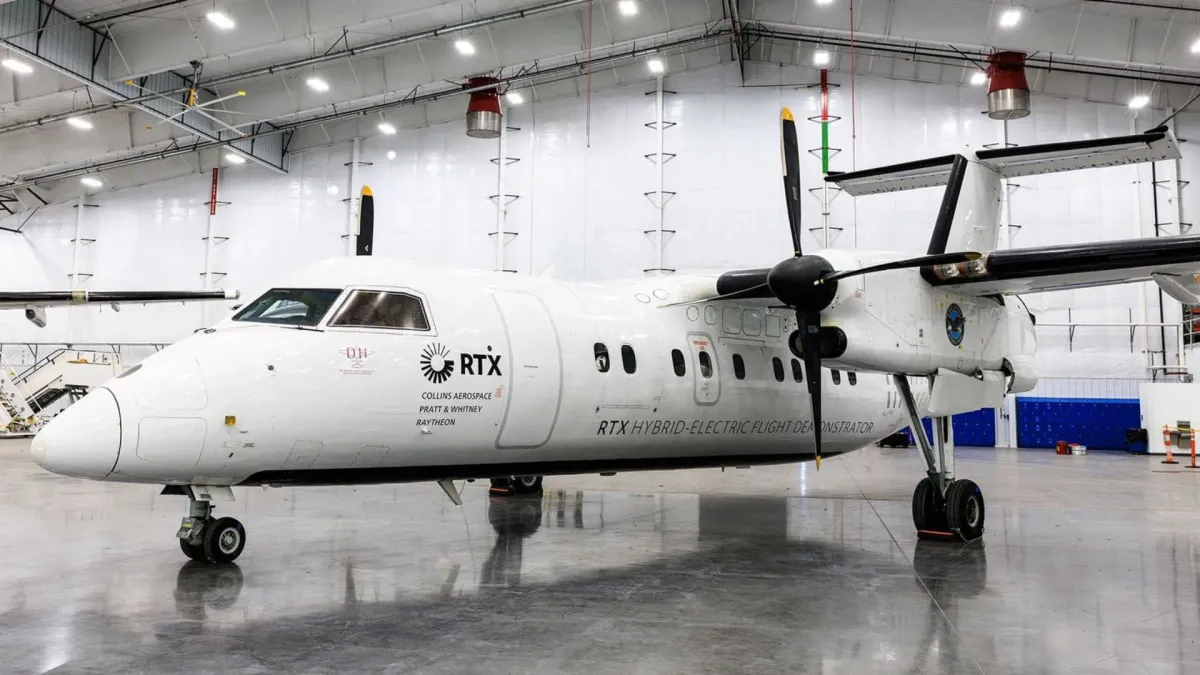
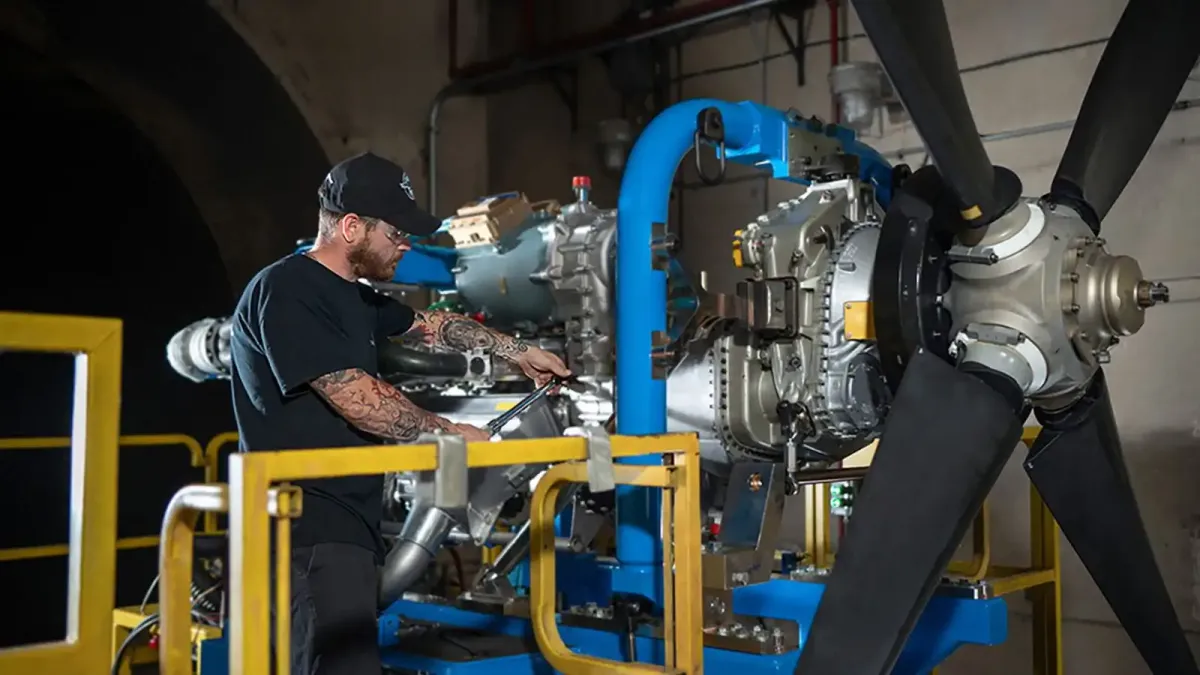
A new airplane engine just started ground testing in Quebec, and it's not your grandpa's jet fuel guzzler. This system from Pratt & Whitney Canada is a hybrid, marrying a traditional engine with a beefy 1-megawatt electric motor from Collins Aerospace, all juiced by batteries from H55. Think of it as a Prius, but for the sky.
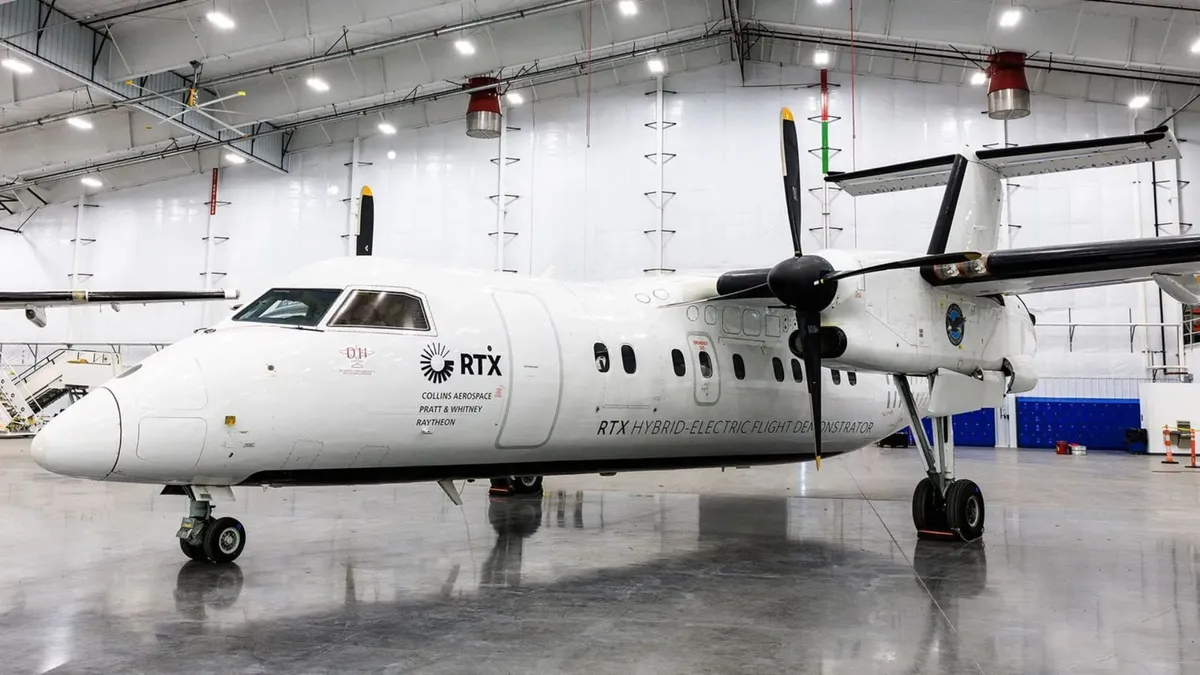
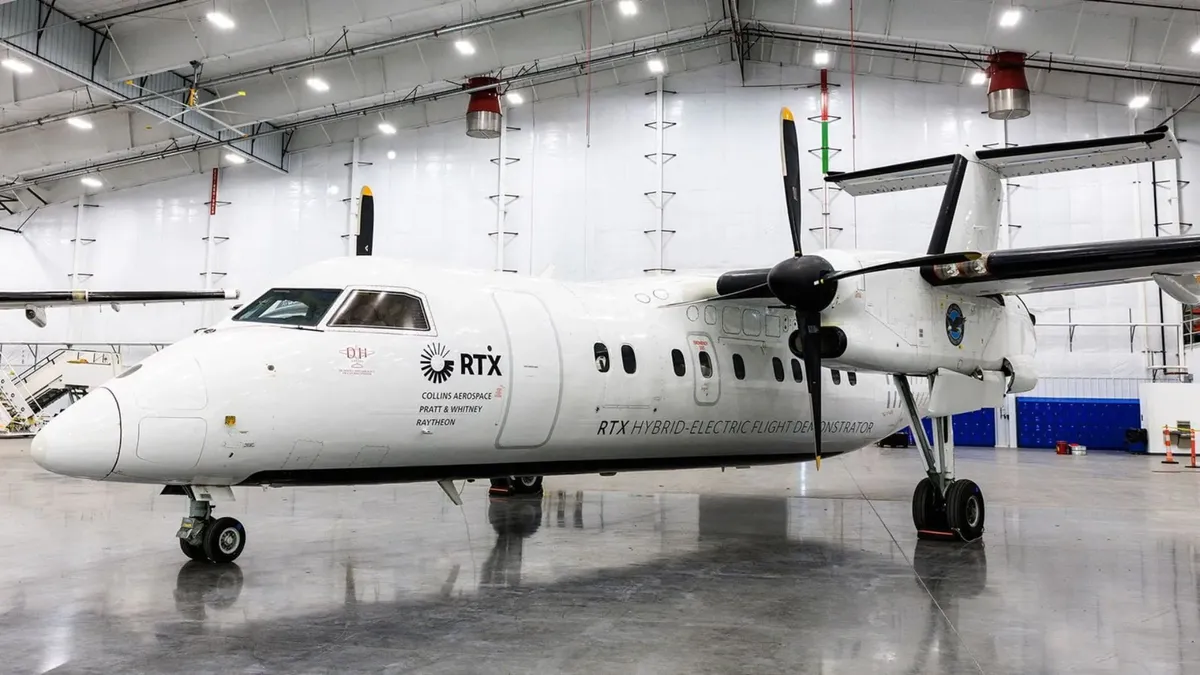
This isn't some far-off dream. This new setup is for the RTX Hybrid-Electric Flight Demonstrator, and the goal is to get it soaring on a modified De Havilland Canada Dash 8-100 aircraft by 2027. Cleaner regional air travel, here we come.
Why Not Go Full Electric?
Because physics, mostly. Making a fully electric airliner sounds great on paper, but jet fuel packs a much bigger punch per pound than even the best batteries we have right now. You'd need so many batteries for a long flight, the plane would be too heavy to even lift off. Which, if you think about it, defeats the purpose.
We're a new kind of news feed.
Regular news is designed to drain you. We're a non-profit built to restore you. Every story we publish is scored for impact, progress, and hope.
Start Your News DetoxSo, instead of waiting for a battery miracle, engineers got clever. They're combining the best of both worlds: efficient electric power for when you need a boost, and a traditional engine for the long haul. The RTX demonstrator pairs a standard Pratt & Whitney engine with that powerful 1-megawatt electric motor, drawing energy from a 200-kWh battery pack.
Here’s the kicker: regular jet engines are pretty wasteful during takeoff and climb, losing 60% to 70% of their energy as heat. Electric motors? Over 90% efficient. So, the hybrid system lets the electric motor handle the high-energy demands of taxiing, takeoff, and initial climb. Then, the main engine kicks in for the cruise, working at its most efficient sweet spot.
This smart tag-team approach could slash fuel use and carbon emissions by up to 30% on a typical 250-nautical-mile regional flight. Let that satisfying number sink in.
Jean Thomassin, an executive director at Pratt & Whitney Canada, put it rather succinctly: assembling this flight-ready system brings them closer to proving hybrid-electric technology in the air. Basically, they're building the future, one ground test at a time.
The Dash 8 Test Flight
High-voltage systems in aircraft come with their own set of challenges, like the delightful prospects of battery overheating and electrical arcing. To combat this, engineers are using advanced, lightweight semiconductors and powerful motors. The batteries are strategically spread out to balance weight and housed in special fireproof, vented boxes. Because nobody wants a mid-flight BBQ.
With ground testing now underway in Longueuil, engineers are meticulously checking how the engine and propeller play together. Once they're satisfied, the system gets installed onto the Dash 8 test aircraft. And then, up, up, and away.
It’s not just RTX playing in this space. Major aerospace companies are all pushing for hybrid-electric systems for regional, commercial, and even urban planes. GE Aerospace, for instance, has been working with Boeing and others on NASA’s Electrified Powertrain Flight Demonstration (EPFD) program, modifying a Saab 340B test plane with a similar hybrid-electric system.
That project recently completed test flights above 30,000 feet, showing it can reduce fuel use and manage power effectively. If these efforts keep succeeding, quiet, low-emission regional flights could become a common sight sooner than people expect. Which, if you think about it, is both impressive and slightly terrifying for those who enjoy the current level of airplane noise.