Picture this: a pristine, empty seashell just chilling on the ocean floor. Unclaimed. Untouched. Apparently, for a very long time, that was the norm. For roughly 470 million years, marine animals decided, "Nah, we're good." Then, something shifted.
Turns out, what we now consider prime real estate – the cozy, protective interior of a mollusk shell – was once completely ignored. Go back 500 million years to the Cambrian Period, and shells were just… shells. Even though other critters were already hunkering down in various nooks and crannies, the inside of a clam or snail remained stubbornly vacant.
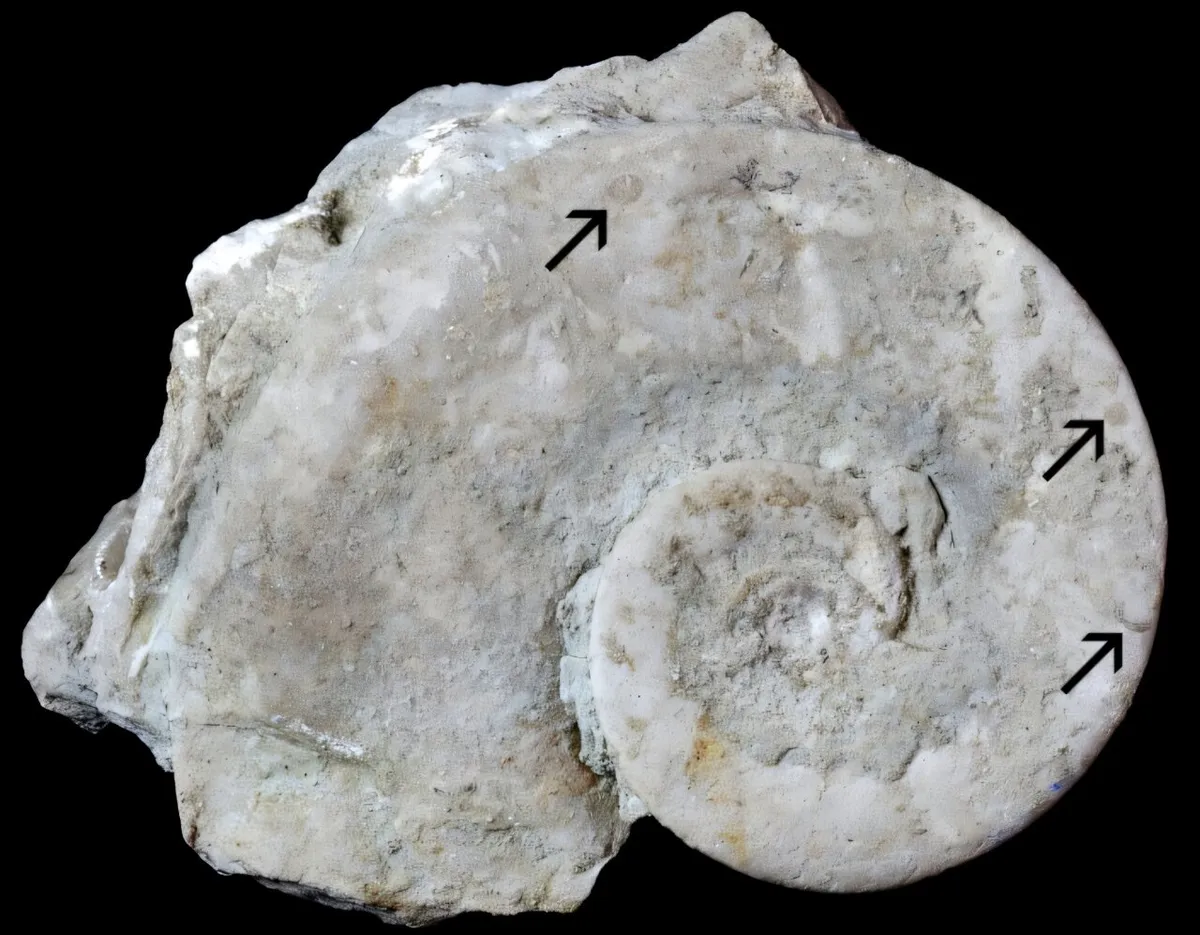
But a new international study, spearheaded by researchers from the University of Tartu, reveals that around 460 million years ago, some enterprising marine organisms finally got the memo. They started moving in. Their first choice? The spacious, multi-chambered shells of nautiloids, ancient relatives of today's squid and octopuses. Later, they diversified, settling into snail and clam shells too.
We're a new kind of news feed.
Regular news is designed to drain you. We're a non-profit built to restore you. Every story we publish is scored for impact, progress, and hope.
Start Your News DetoxBy 450 million years ago, the ocean floor was a different scene entirely. Those once-empty shells were now bustling apartment complexes, packed with filter-feeders like bryozoans, brachiopods, sponges, and tube-building cornulids. It was a full-blown housing boom.
Not all shells were created equal, though. Nautiloid shells, with their open chambers, were like luxury condos: great water flow for oxygen and food, easy waste disposal. They housed the most diverse communities. Snail shells, on the other hand, were more like cramped studios with tricky layouts and poor ventilation. The inhabitants were smaller, and some species just couldn't hack it.
Why the sudden move?
This shift coincided with a major explosion of marine life – a time when biodiversity was skyrocketing, and competition was fierce. The inside of a shell offered a perfect trifecta: protection from predators, a stable surface for sessile (attached) organisms, and a break from the general chaos of the seafloor.
Researchers found the oldest shell dwellers in the Baltica region (think modern-day Estonia). While this might suggest the trend started there, it could also just mean those fossils have been really well-studied. Either way, by the end of the Ordovician Period, similar shell communities popped up globally, from North America to China. It was, apparently, a universal desire for better digs.
So, the next time you see a seashell, remember its long and storied history. From an ignored, empty vessel to a bustling mini-ecosystem, it's a testament to how even the smallest innovations can completely reshape an ancient world.