Earlier this month, the Artemis II astronauts went on an incredible journey. They flew around the Moon, bringing the whole world along with them.
A seven-hour livestream showed the astronauts describing what they saw on the Moon's surface. Now that the four-person U.S.-Canadian crew is safely back, NASA is sharing amazing images of their work from space.
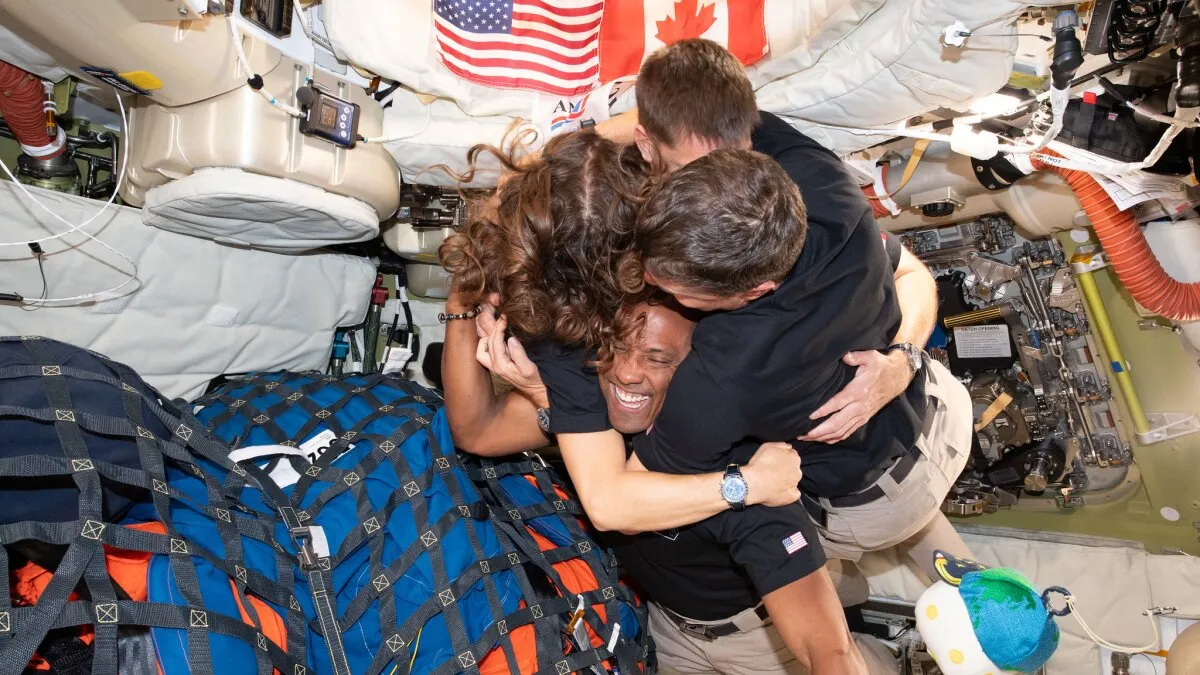
What makes this mission even more impressive is how the astronauts managed in such a small space. The Orion spacecraft is about the size of a campervan inside, though it's bigger than the old Apollo capsules. The crew had to sleep, eat, drink, use the toilet (which sometimes broke), and do science for ten days in this tiny home. They also had to avoid getting on each other's nerves.
We're a new kind of news feed.
Regular news is designed to drain you. We're a non-profit built to restore you. Every story we publish is scored for impact, progress, and hope.
Start Your News DetoxThe astronauts said their training and teamwork helped them stay focused. This included both their crew members and their large support teams on Earth. This focus allowed them to feel "moon joy." For those of us living in small spaces, there are lessons to learn from their experience.
Making a Place a Home
Branelle Rodriguez, the Orion program's vehicle manager for Artemis II, shared insights before the mission. Her job was to ensure the spacecraft was ready for the four astronauts. She described the inside of the spacecraft as if it were a home.
Rodriguez emphasized that first impressions matter when astronauts enter for a test. The main entrance, called the crew module "hatch," is near an exercise flywheel. For privacy, the toilet is tucked into the floor with a curtain.
While Orion generally performed well, the toilet needs work. Astronauts reported strange smells and issues flushing urine. Sometimes they had to use a backup system, which involved storing waste in tubes.
Plumbing is tricky in microgravity, where there's no up or down. NASA doesn't think freezing was the problem, as shining sunlight on the plumbing panels didn't help. Luckily, the planned Moon landing is in 2028. There will be a test mission, Artemis III, in Earth orbit before then. This gives engineers time to fix the toilet issues.
Flexible Thinking
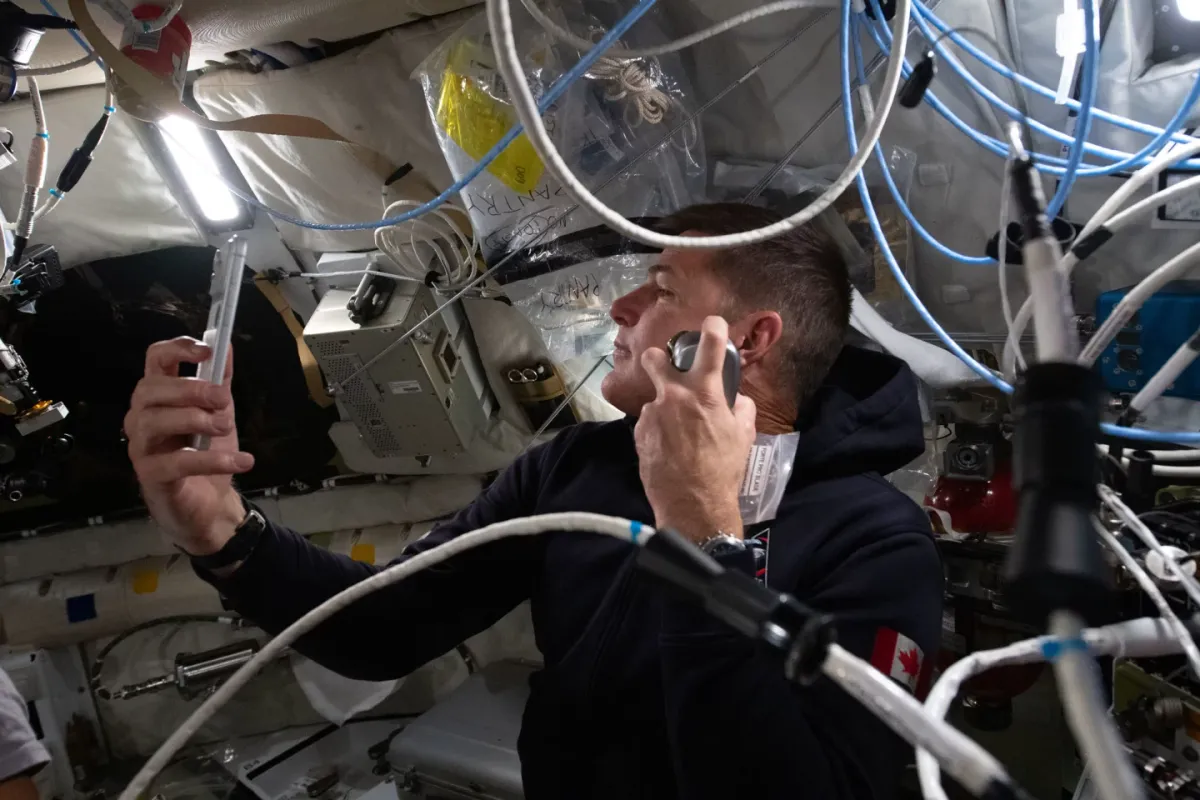
What you see inside the spacecraft changes depending on the mission phase. During launch and landing, the pilot (Victor Glover) and commander (Reid Wiseman) sat to the left of the entrance.
Rodriguez explained that they had "beautiful displays and controls right over their heads." These allowed them to manually operate the spacecraft if needed. Above them were windows, offering views of the Moon or Earth.
The other two astronauts, mission specialists Christina Koch and Jeremy Hansen, sat on the right side. Koch was closest to the hatch. After launch, the astronauts removed the seats and created informal zones. These zones changed for sleeping, eating, taking pictures, calling home, and doing science.
Rodriguez compared it to setting up space in a car. Astronauts created personal zones for sleeping and accessing hardware.
Space Storage
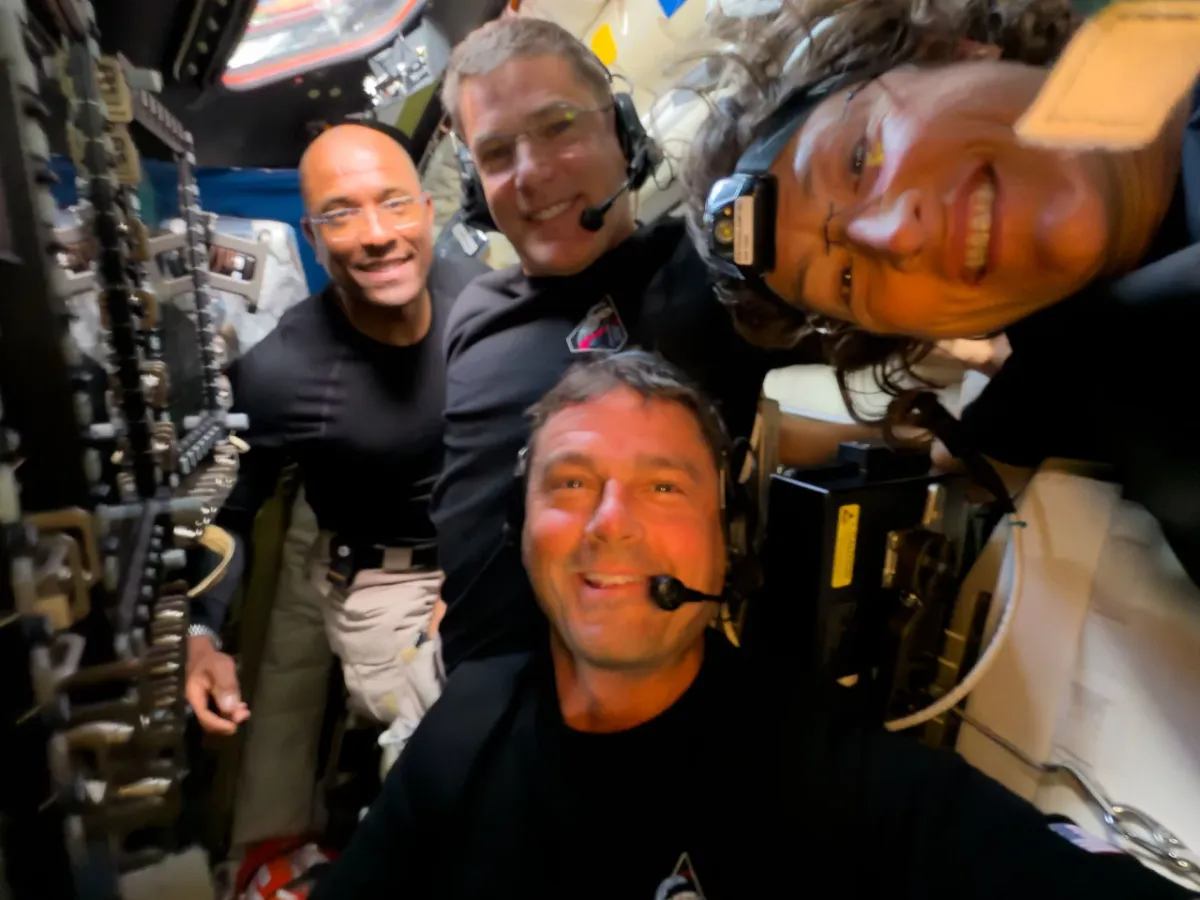
Astronauts used "stowage" areas, which are cabinets and storage spots, to keep food, equipment, and other items. Emergency gear was easy to reach. Food for the first day in space was also readily available.
During flying and science days, food was often grab-and-go. Under Wiseman's seat was a water dispenser to rehydrate powdered food. The astronauts shared some menu items during a livestream: butternut squash, spicy green beans, sweet and sour chicken, and Kona coffee with cream.
Clever storage was vital during the lunar flyby. The crew needed quick access to cameras and tablets for Moon observations. Rodriguez noted that cameras were always within easy reach. Training was also key, helping both ground teams and astronauts understand what they could do with their equipment and time.
Finding Flow
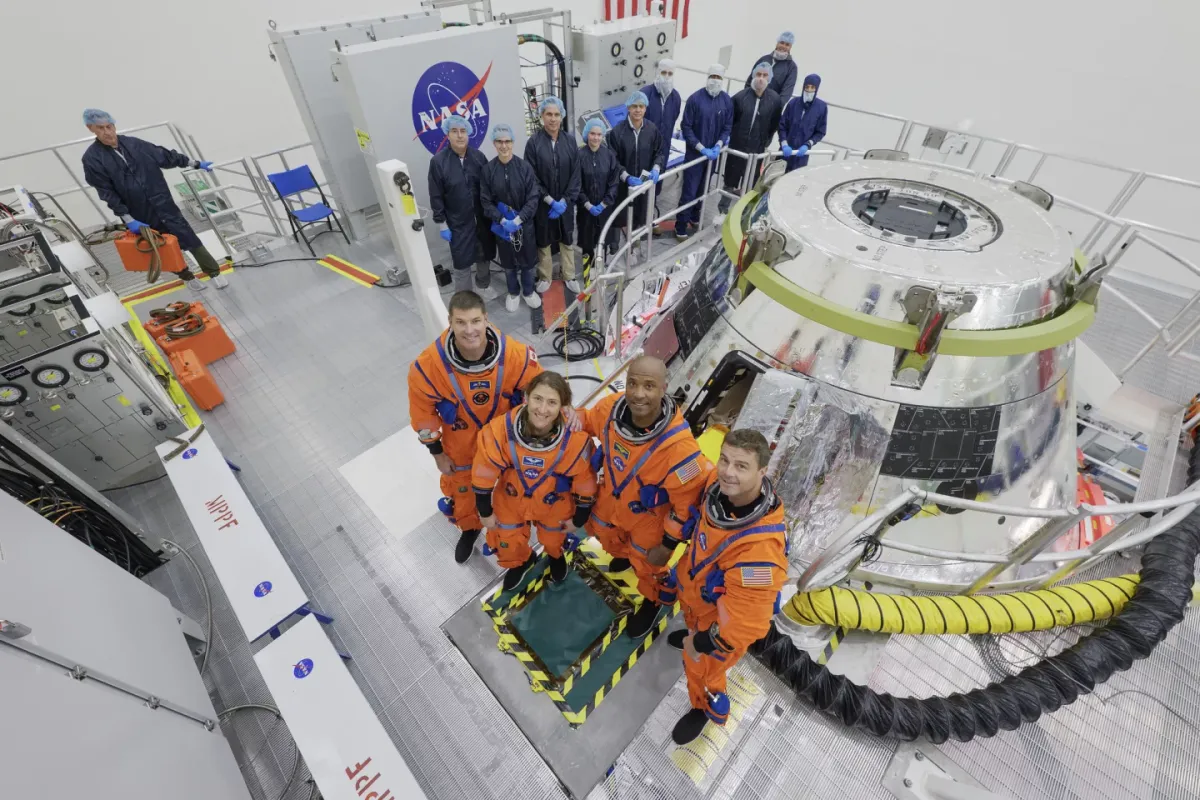
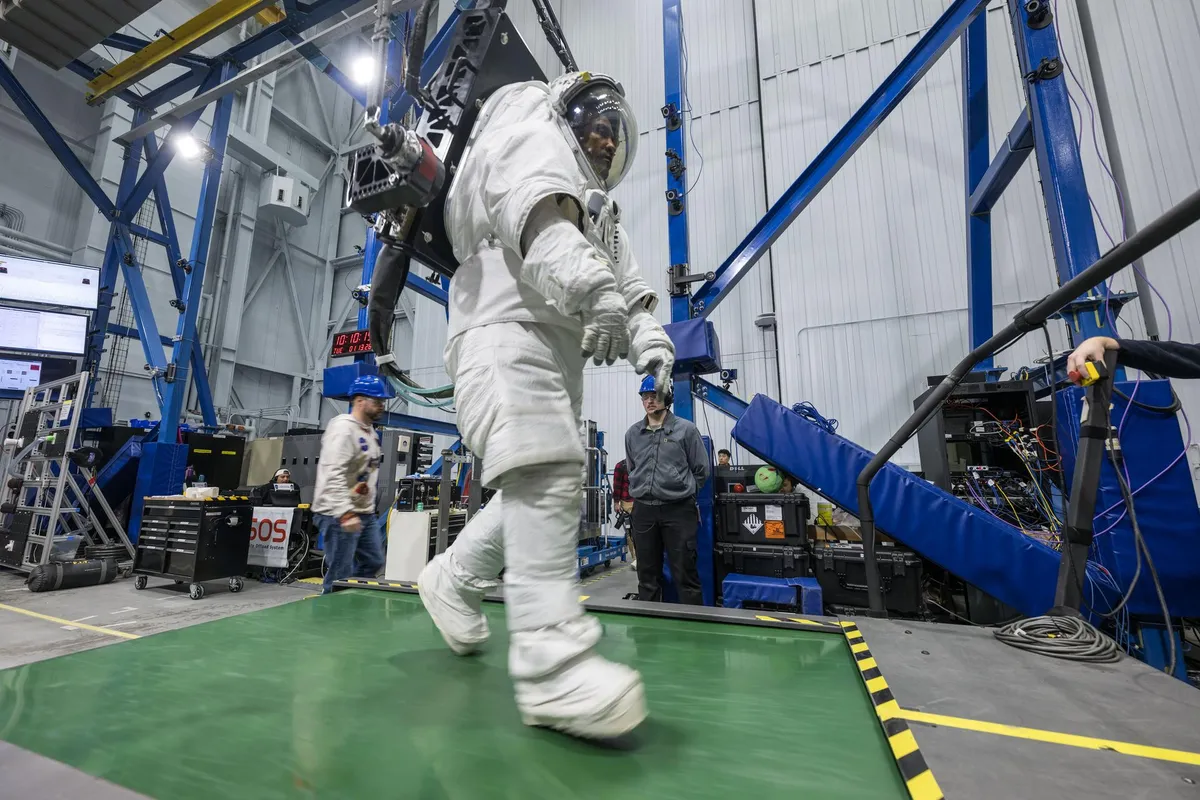
On the livestream, the astronauts' science work seemed to flow perfectly. Rodriguez said this was due to repeated rehearsals on Earth. It's an ongoing process, she noted, as things aren't perfect on the first try.
To prevent items from getting lost, NASA had procedures for stowing things. They used a system similar to "AirTags" to track individual items. This was also important for the return to Earth. NASA didn't want to unbalance the spacecraft during reentry and splashdown by having too much weight on one side.
After landing, it took about an hour to get the crew out. Their essential items, like a satellite phone and radio, were kept in seat pockets and nearby cabinets.
The Orion team will review what went well and what didn't to improve things for Artemis III. NASA will also use its experience from other spacecraft and the International Space Station. Rodriguez doesn't expect many major design changes.
She said that living, eating, and storage inside the vehicle will remain largely the same. The biggest change for Artemis III will be a docking area. This will allow the crew to practice linking up with a lunar lander in Earth orbit. Other changes will likely be minor, based on feedback.