This week, it felt like the scientific community collectively decided to tackle some of humanity's most persistent problems — specifically, the 'X' factors. The unknown variables, the seemingly insurmountable obstacles, the things we just assumed were fixed. From the farthest reaches of Jupiter to the most intimate corners of human cells, researchers weren't just chipping away at problems; they were often finding entirely new ways to redefine them.
The Unsolvable Just Got an Expiration Date
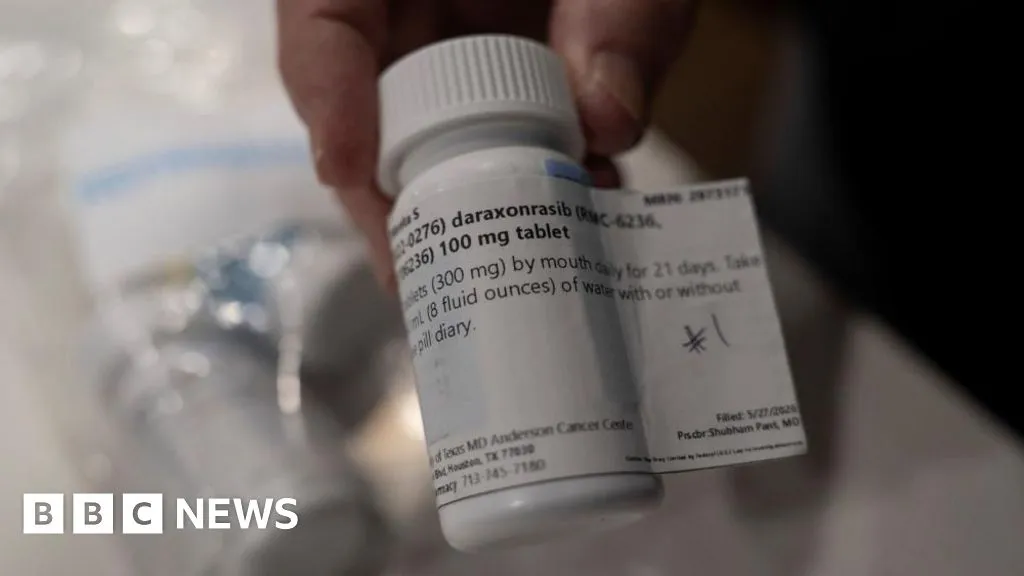
Take cancer. For decades, pancreatic cancer has been the grim reaper of diagnoses, largely untreatable once advanced. But this week, a new daily pill, daraxonrasib, nearly doubled pancreatic cancer survival. This isn't just an incremental improvement; it's a significant shift in a landscape where options were once desperately few. Meanwhile, doctors hailed "unprecedented" results from a simple jab that melted away tumors that had resisted every other treatment. And for those worried about the next pandemic, the FDA approved a pill that could finally outsmart COVID-19 exposure, offering a post-exposure prophylaxis that cuts risk by nearly 70%. These aren't just treatments; they're paradigm shifts, turning what felt like inevitable outcomes into manageable conditions. If you've been anxious about the diseases that seem to defy all efforts, this week just changed the math.
"The drug, daraxonrasib, has been hailed as a breakthrough in managing the deadliest of all the major cancers."
Wait—What is Brightcast?We're a new kind of news feed.
Regular news is designed to drain you. We're a non-profit built to restore you. Every story we publish is scored for impact, progress, and hope.
Start Your News Detox
Waste Not, Want Not: The Circular Economy Gets Scientific
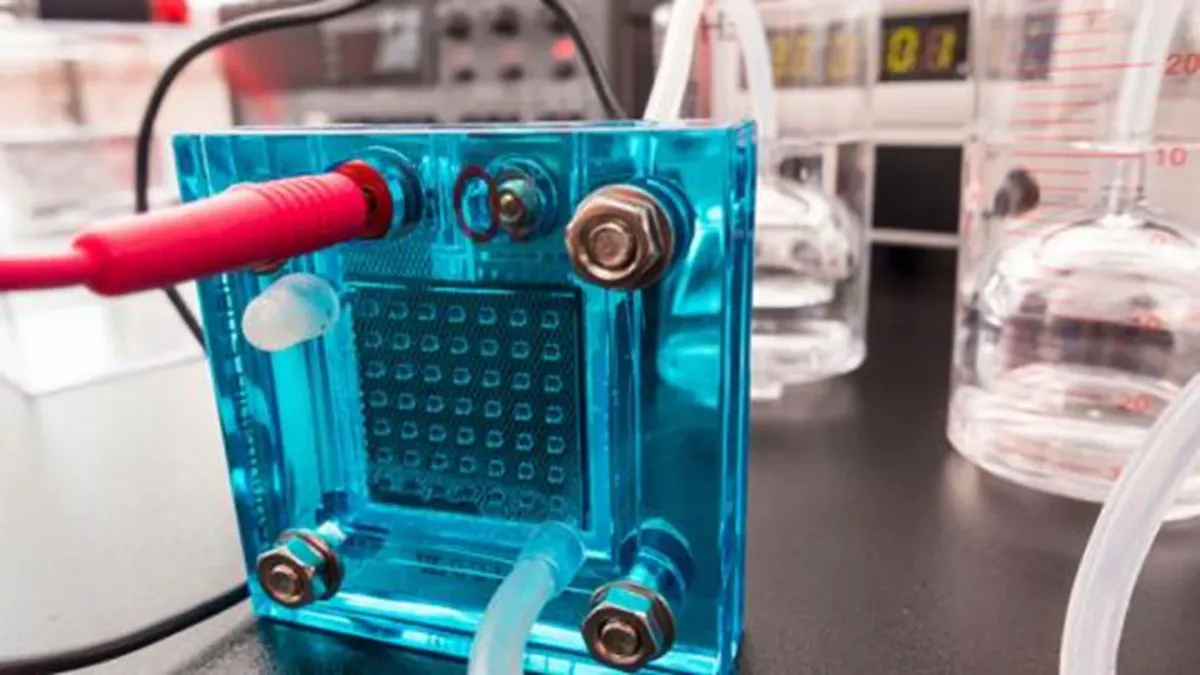
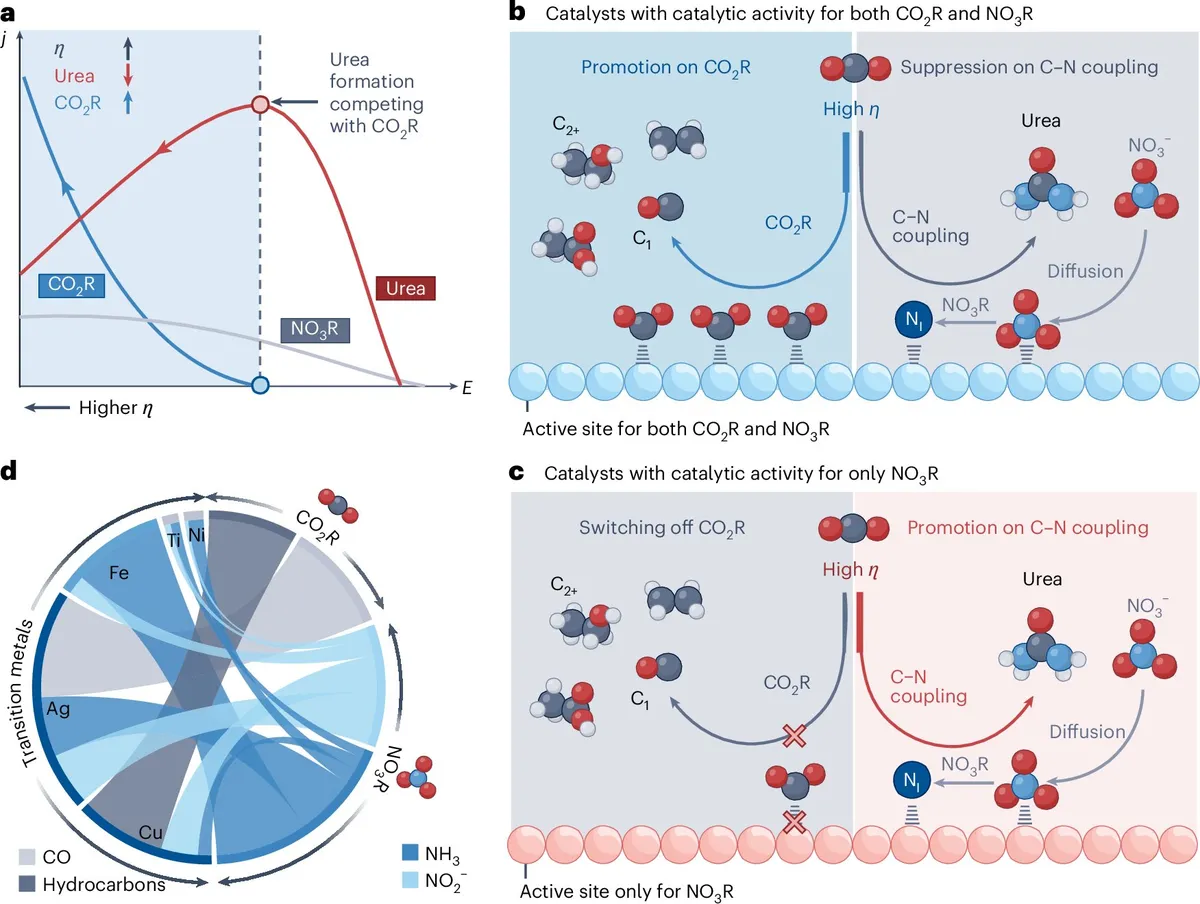
While some were fighting disease, others were busy turning our planet's problems into solutions. Europe, for example, is eyeing its own trash as its next big resource boom, aiming to meet half its critical raw material demand by 2050 through recycling its "urban mine." This isn't just about reducing landfill; it's about national security and economic independence. On the innovation front, a new AI found a way to turn CO2 and waste into fertilizer, demonstrating how smart algorithms can reimagine industrial processes. And speaking of reimagining, a new artificial leaf just turned CO2 and water into liquid fuel using only sunlight. These aren't pie-in-the-sky ideas; they're tangible steps toward a future where our waste streams are not liabilities but valuable assets. Next time someone tells you nothing ever changes, you now have three receipts.

Unseen Forces, Unlocked Potential
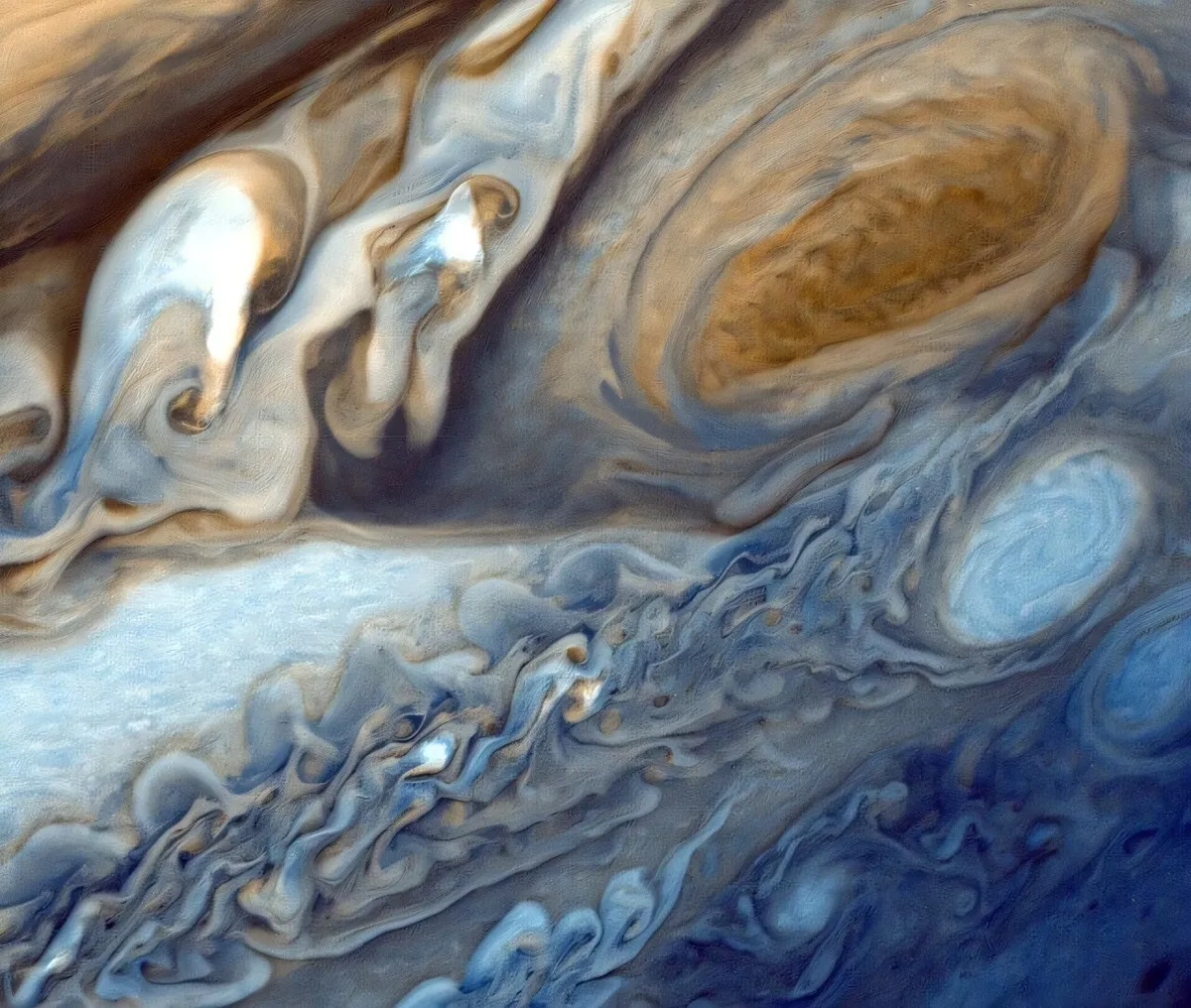
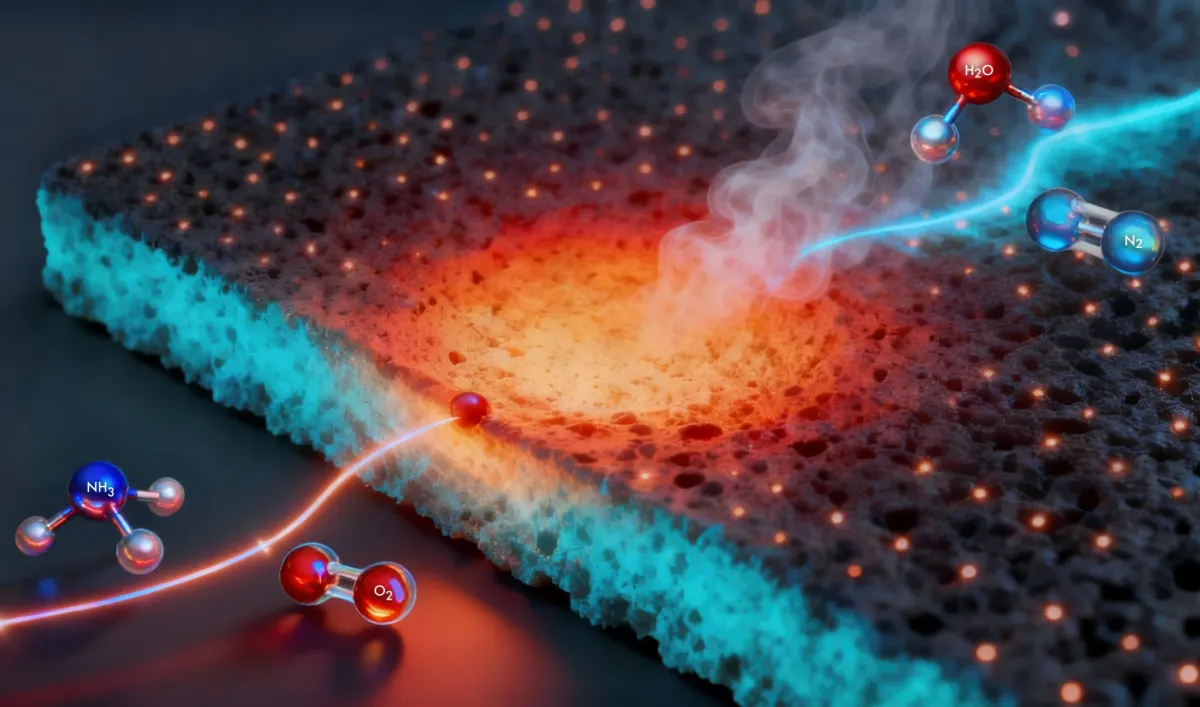
Perhaps the most compelling pattern this week was the uncovering of invisible forces and previously hidden potential. Scientists discovered that Jupiter's bow shock is flinging electrons at nearly light speed, offering new insights into how energetic particles are produced across the universe. Closer to home, it turns out that fish guts are secretly changing the ocean's chemistry, a testament to the intricate, often overlooked, interactions that shape our world. And in a wonderfully practical application, a tiny platinum tweak just unlocked ammonia as a clean industrial fuel, overcoming decades of obstacles. These revelations remind us that the universe, and even our own planet, holds far more secrets and potential than we often imagine. This means that solutions to grand challenges might be hiding in plain sight, waiting for the right lens or catalyst to bring them into focus.
"A new analysis suggests Europe could meet half its critical raw material demand by 2050 through recycling its 'urban mine' of waste streams."
Hope stat: 70% — the reduction in COVID-19 risk offered by the new post-exposure prophylaxis pill.
Watch this space: Researchers continue to refine AI-guided material discovery, promising even more breakthroughs in sustainable chemistry and energy.