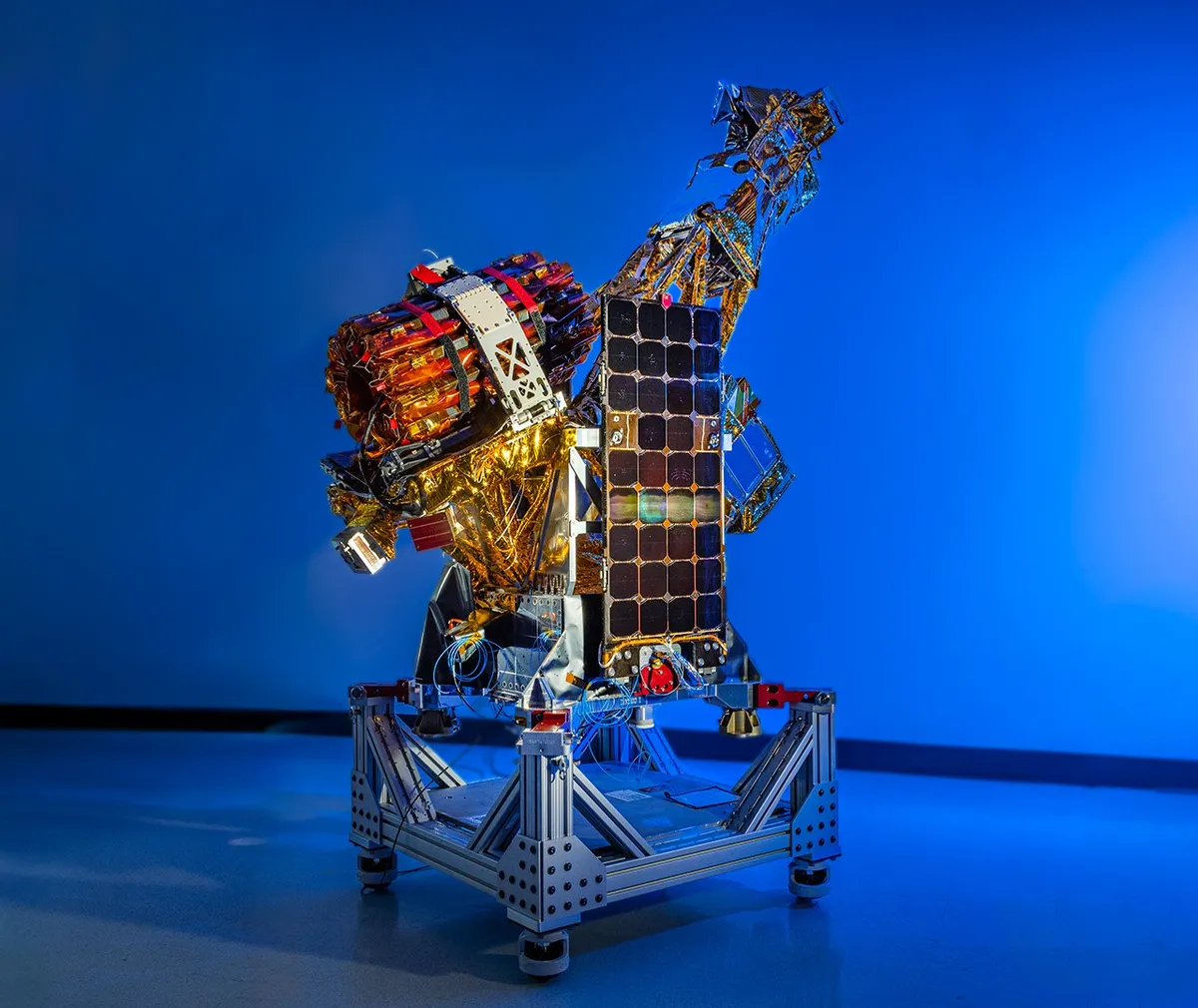
Tropical storms: You know them, you probably don't love them. They're big, they're wet, and they're notoriously difficult to predict. But what if we could see inside them, in 3D, as they're forming? That's the rather ambitious goal of NASA's new INCUS mission, which just saw one of its three satellites finish up testing in Colorado.
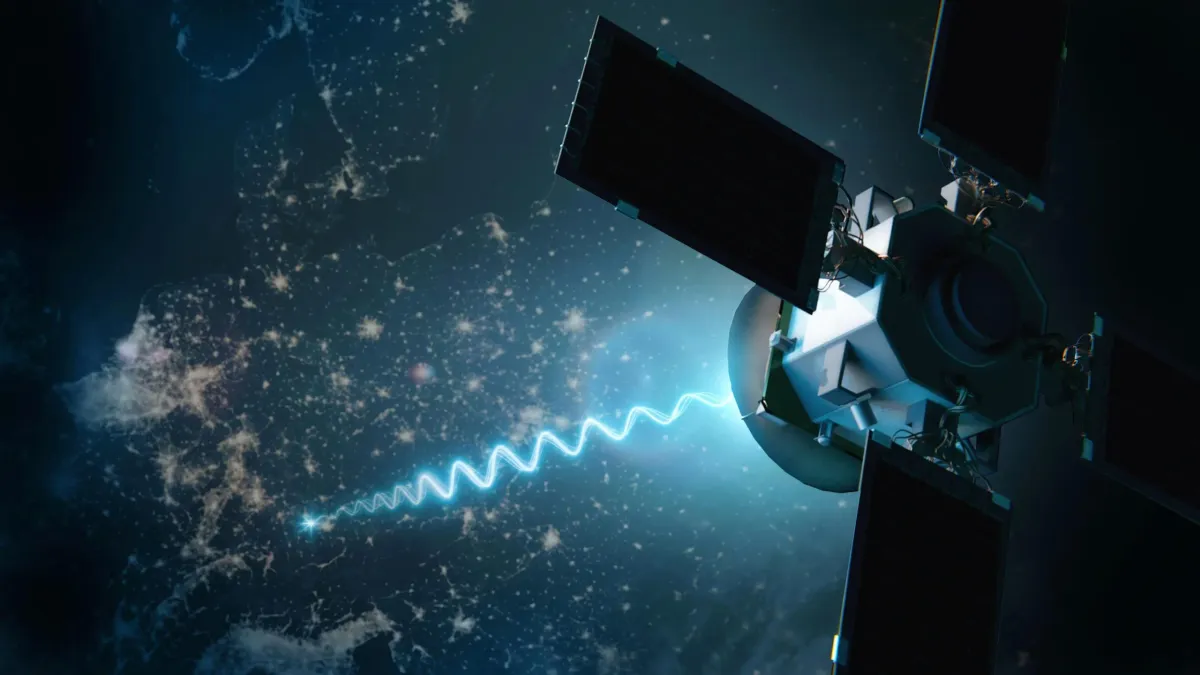
INCUS, which cleverly stands for Investigation of Convective Updrafts (because NASA loves a good acronym), is sending a trio of satellites into low Earth orbit. The real trick here? They're flying in formation, super close together. The first and second satellites will be just 30 seconds apart, with the third trailing 90 seconds behind the second. Talk about keeping your distance, but not too much distance.
Each of these space-bound storm chasers is equipped with a specialized radar. This radar will track the vertical dance of air and water as storms brew and evolve, a process scientists call convective mass flux. Think of it as mapping the invisible currents that dictate a storm's mood. The middle satellite even gets a bonus microwave radiometer, because apparently, two eyes are better than one when you're watching a hurricane from space.
We're a new kind of news feed.
Regular news is designed to drain you. We're a non-profit built to restore you. Every story we publish is scored for impact, progress, and hope.
Start Your News DetoxThe whole mission is slated for a 2027 launch from NASA’s Wallops Flight Facility in Virginia. So, just a few more years until we get a much clearer picture of what makes these weather behemoths tick.
Earth's Moody Blues, Now in HD
This isn't just a one-off space adventure. INCUS is actually part of NASA's larger Earth System Observatory, a sprawling network of missions designed to figure out how our planet's natural systems actually, you know, work. INCUS is specifically zooming in on clouds, convection, and precipitation because, let's be honest, those are the party-starters of pretty much all bad weather.
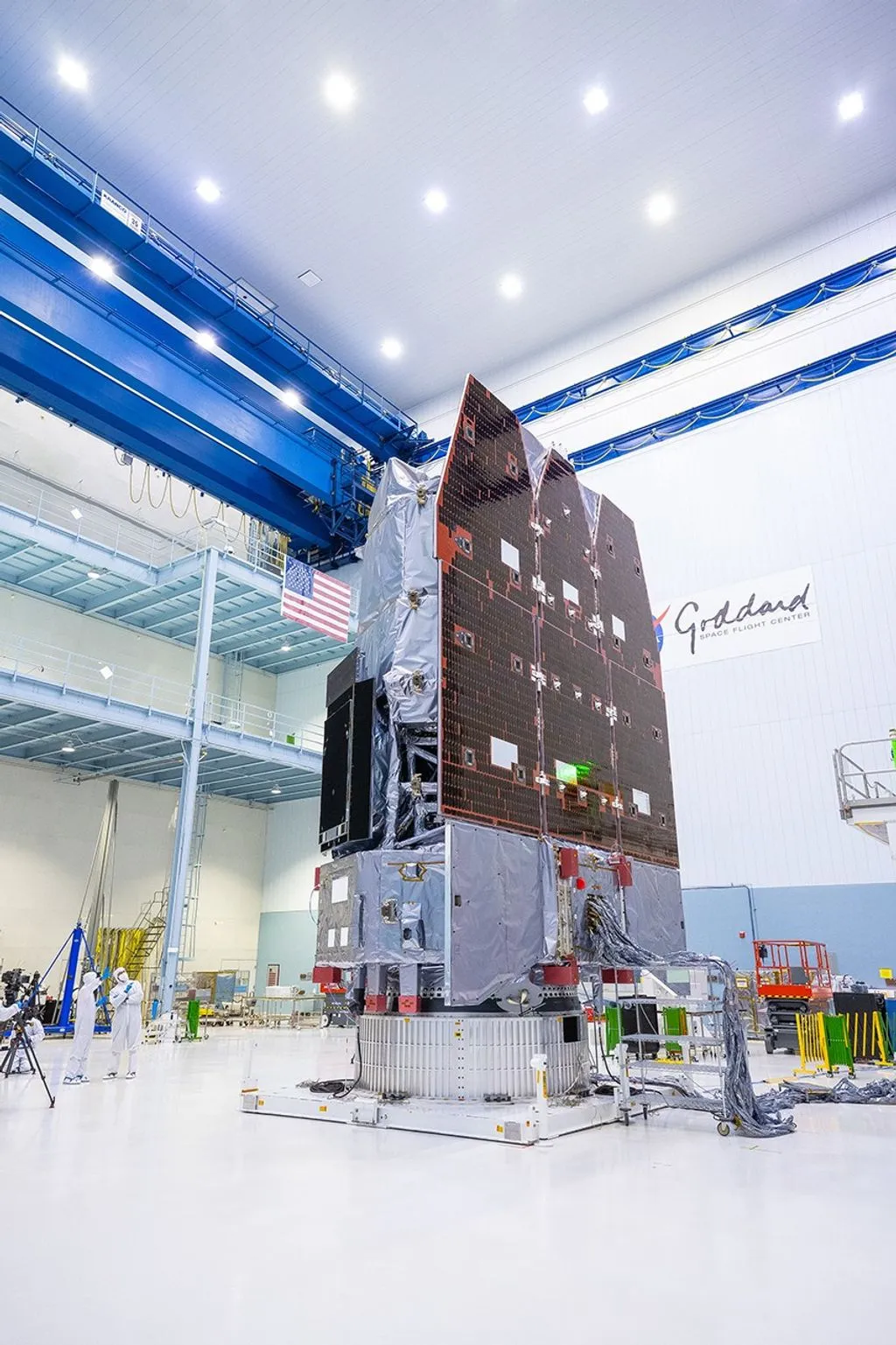
It's also folded into something called FALCON (Fleet for the Atmosphere Linking Commercial Observations with NASA), which sounds like a superhero team but is actually a collaborative effort between NASA centers, universities, and commercial partners. Because apparently, understanding the atmosphere is a job too big for any single entity. Sue van den Heever at Colorado State University is leading the INCUS charge, guiding us toward a future where we might just understand tropical storms before they decide to redecorate a coastline. Which, if you ask anyone who's ever boarded up a window, would be a rather welcome development.