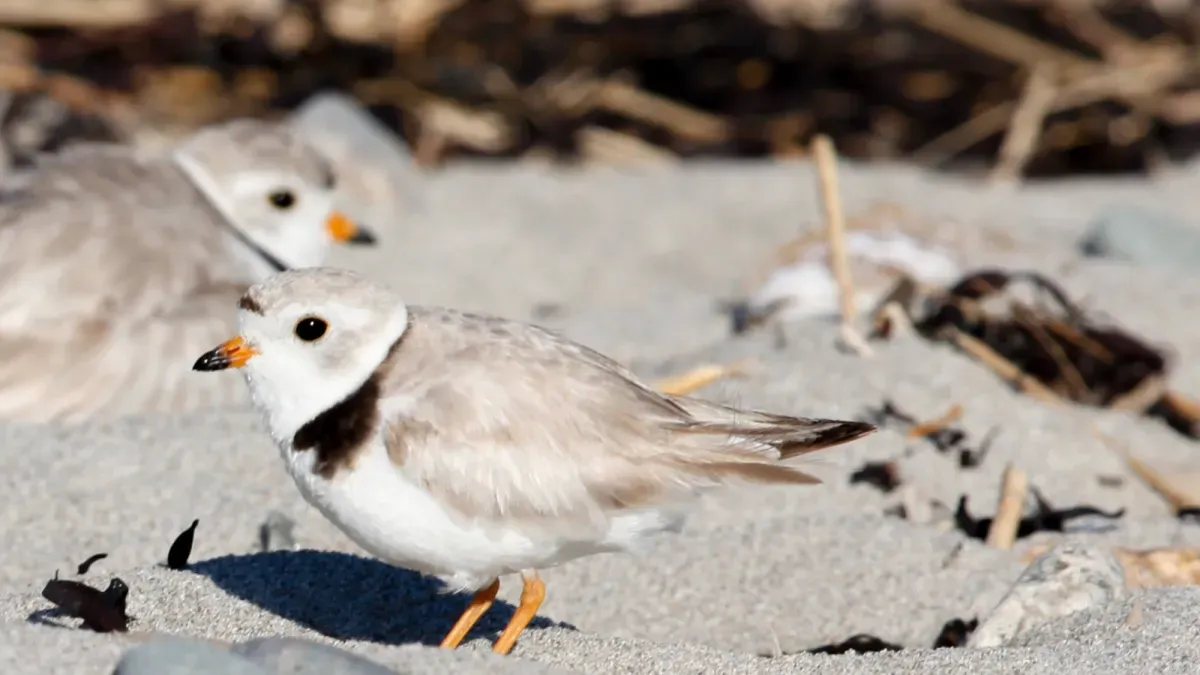
Good news, everyone: 12 endangered piping plover chicks have just burst onto the scene in Michigan and Wisconsin. This isn't just a handful of fluffy things; it's a testament to some serious conservation efforts, following what was already a record-breaking nesting season in 2023. More are expected, because apparently, these birds are on a roll.
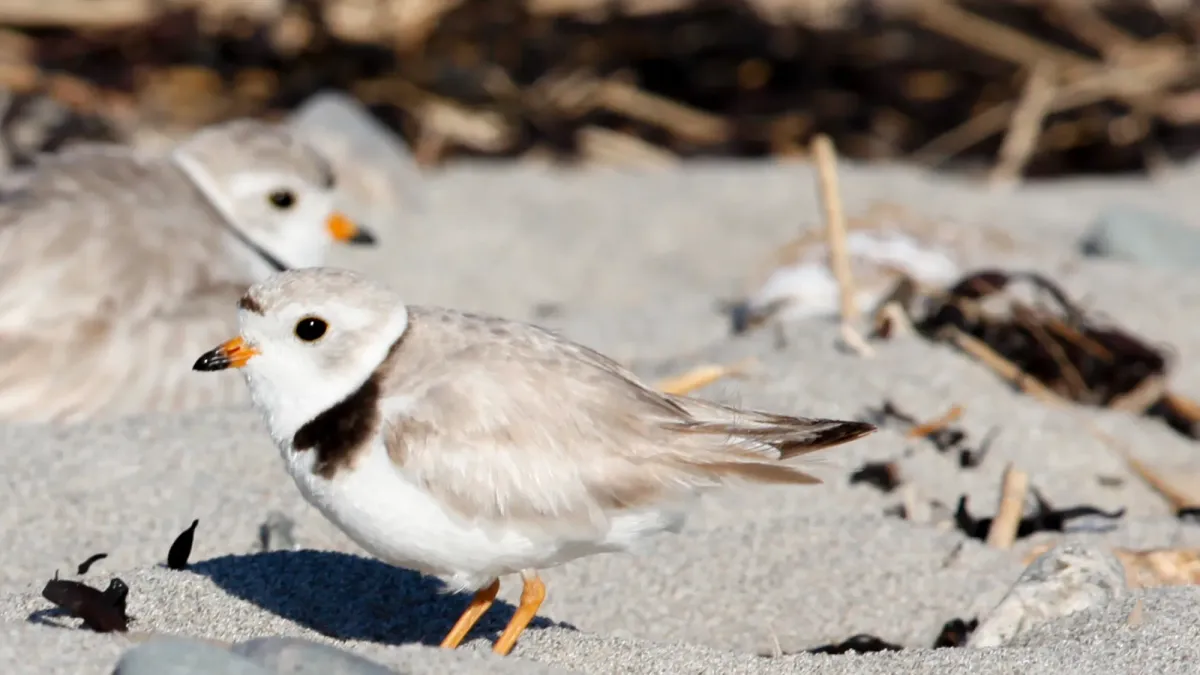
These aren't your average backyard sparrows. Piping plovers are the tiny, feathered equivalent of a ninja, weighing about as much as a couple of AA batteries and measuring a mere 5.5 to 7 inches. You probably wouldn't even notice them until they do their signature run-stop-peck move to snatch a bug from the sand. They're also "precocial" – which is a fancy way of saying they're basically born ready to rumble, running around and finding their own snacks just hours after hatching. No helicopter parenting for these guys.
A Comeback Story
Despite their impressive independence, piping plovers have had a rough go. The Great Lakes population was once teetering on the brink of oblivion. Back in 1990, a measly 13 nesting pairs remained, a stark drop from nearly 800. Habitat loss, disturbed nests, and hungry predators were the culprits. It was, to put it mildly, not looking great.
We're a new kind of news feed.
Regular news is designed to drain you. We're a non-profit built to restore you. Every story we publish is scored for impact, progress, and hope.
Start Your News DetoxBut thanks to some dedicated federal protection and tireless conservation, the tide has turned. Last year, the Great Lakes counted 88 nesting pairs – the fourth consecutive year of growth. Let that satisfying number sink in. Volunteer photographer Mary Lundeberg sums it up perfectly, noting the sheer joy of watching these tiny birds forage immediately after hatching. Because sometimes, connecting with nature means watching a little fluffball hunt.
How Not to Be the Bad Guy
So, you want to help these pint-sized heroes? It's pretty straightforward. Keep your distance. Michigan's Friends of Sleeping Bear Dunes offers the "Rule of Thumb": if you can't cover the bird with your thumb held at arm's length, you're too close. Which, if you think about it, is both a clever and slightly absurd way to measure personal space for a bird.

Also, watch your step. Those precocial chicks? They wander. They don't care about your little ropes. And for the love of all that is wild, leash your dog. Plovers see pets as predators, and a scared adult bird will abandon its nest and chicks faster than you can say "fetch." Many beaches have roped-off areas, which are essentially invisible nurseries hidden among the rocks and sand. Stay out of them. The shoreline is still yours, but the plovers get their space. Because apparently, even tiny birds need boundaries.