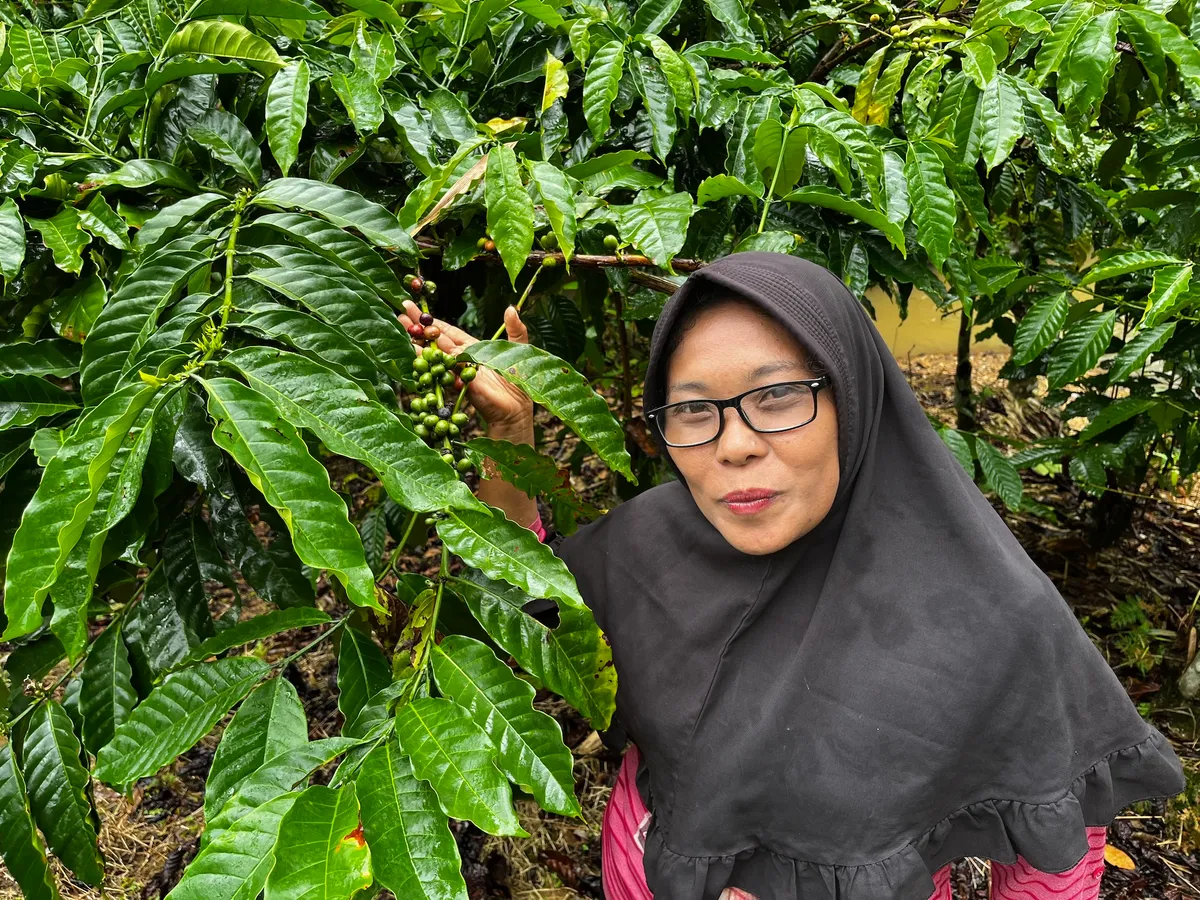
Sri Atmiatun made a career pivot that would make most LinkedIn gurus jealous. After years toiling in Riau’s oil palm plantations, she decamped to Sumatra’s Batutegi region in 2017. There, she inherited a rather neglected coffee plot from her uncle. Now, at 45, she oversees three hectares, but it's not just about the beans.
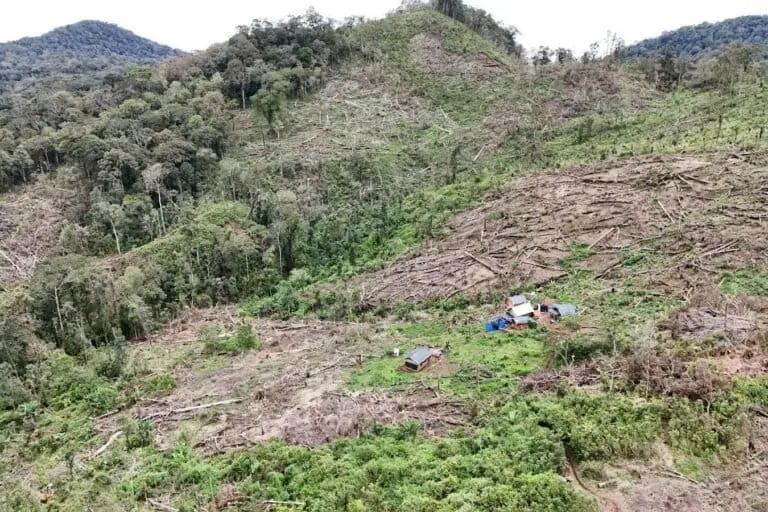
Her plot sits within the 1,400-hectare Sumber Makmur social forestry area, which itself nudges up against the colossal 80,000-hectare Batutegi forest landscape. Think of it as a patchwork quilt: some squares are strictly off-limits, while others, like Sri's, are managed by local communities using some rather clever agroforestry techniques. It's a surprisingly elegant solution to a very messy problem.
A Win-Win for Trees and Livelihoods
Under Indonesia's social forestry program, the land technically belongs to the state. But here's the kicker: local communities, like Sri’s, get to manage it for their livelihoods. The catch? They have to play by the rules — rules designed to keep the forest healthy and doing its natural thing. "I stayed because this land feeds us," Sri told Mongabay in March. "If I leave, who will take care of it?" It’s a pretty compelling argument for staying put.
We're a new kind of news feed.
Regular news is designed to drain you. We're a non-profit built to restore you. Every story we publish is scored for impact, progress, and hope.
Start Your News DetoxSri's story isn't just a feel-good anecdote; it’s a snapshot of a much larger transformation in Batutegi. Areas that were once aggressively cleared for coffee are now being given a second chance, managed under this social forestry umbrella. Farmers get legal recognition, access to training, and support from both government and private organizations. Because, apparently, even a coffee farmer can benefit from a good workshop.
In return, the forest breathes a sigh of relief. Less land clearing. Less expansion into protected zones. More safe havens for the local wildlife. It’s a system where everyone, from the coffee-drinking public to the Sumatran tiger, stands to benefit. And if that's not a reason to raise a mug, we don't know what is.